
What to Expect During a Dental Implant Procedure




Dental implants have revolutionized the field of restorative dentistry, offering a permanent solution for missing teeth. At Smile On Dental Salon & Sleep Apnea Center, we understand that the dental implant procedure can seem daunting to many patients.
This comprehensive guide will walk you through each step of the process, from initial consultation to final restoration. We’ll cover what to expect during your dental implant journey, ensuring you feel informed and confident about your decision to restore your smile.
What Are Dental Implants?
Definition and Purpose
Dental implants serve as artificial tooth roots that dentists surgically place into the jawbone to support replacement teeth. These metal, screwlike posts anchor crowns, bridges, or dentures, which provides a stable and long-lasting solution for missing teeth. Dental implant statistics and trends show compelling facts about costs, procedures, and rejection rates for dental implants in 2024-2023.
Structure of Dental Implants
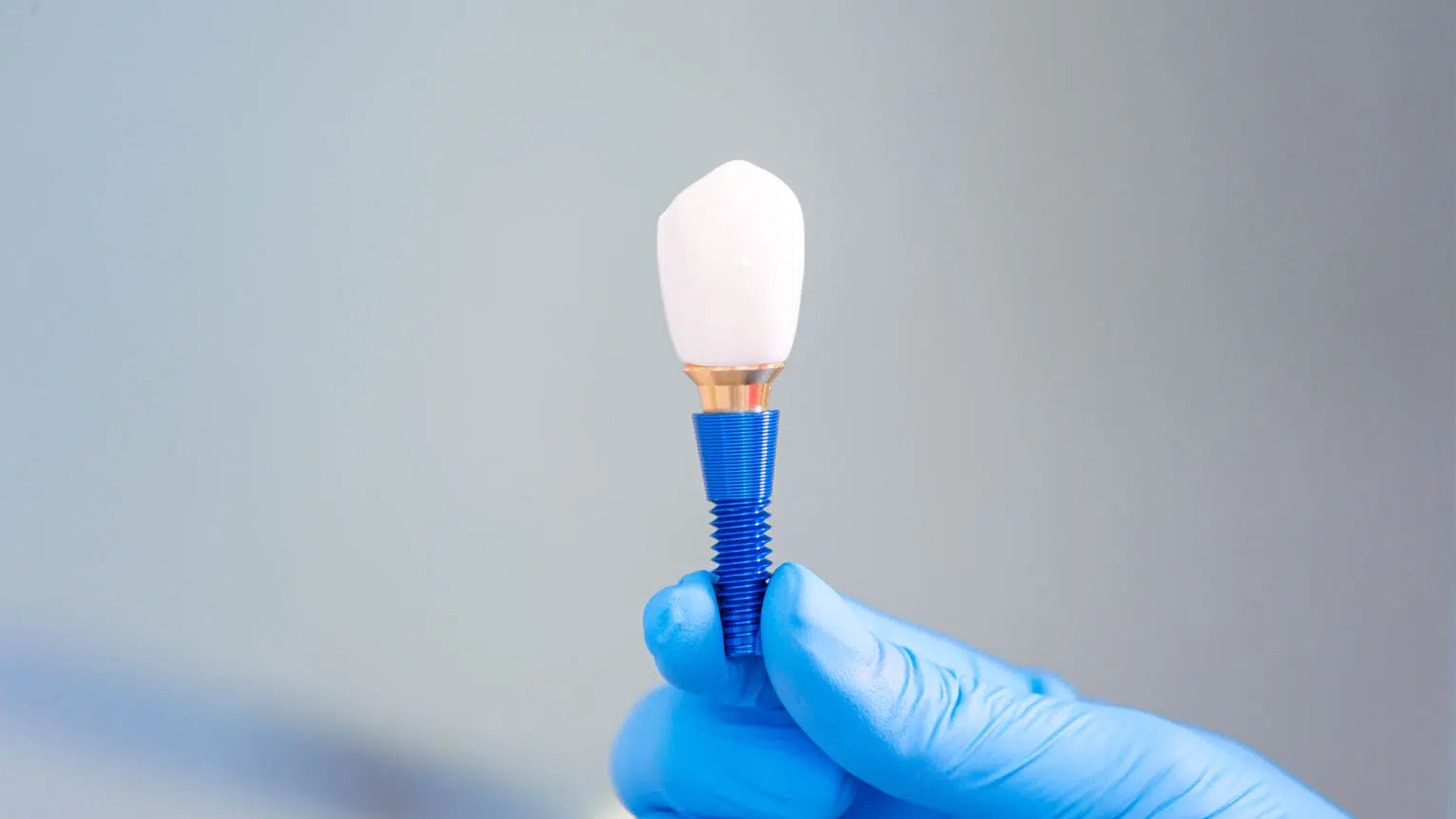
A typical dental implant consists of three parts:
- The implant: A titanium screw that replaces the tooth root
- The abutment: A connector that supports the crown
- The crown: The visible part that resembles a natural tooth
Dentists prefer titanium due to its biocompatibility and ability to fuse with bone (a process called osseointegration). This fusion creates a strong foundation for the new tooth, which allows it to function like a natural tooth.
Types of Dental Implants
Two main types of dental implants exist:
- Endosteal implants: Dentists place these directly into the jawbone. They suit most patients with a healthy jawbone and sufficient bone density.
- Subperiosteal implants: These rest on top of the bone but under the gum. They offer an option for patients who lack enough healthy jawbone and can’t (or don’t want to) undergo a bone augmentation procedure.
Ideal Candidates for Dental Implants
Not everyone qualifies for dental implants. Ideal candidates typically have:
- Good overall health: Certain medical conditions (like uncontrolled diabetes or heart disease) can affect healing and increase complication risks.
- Healthy gums: Gum disease can compromise the success of dental implants. Patients with periodontal issues may need treatment before implant surgery.
- Sufficient bone density: Adequate bone must support the implant. If bone loss has occurred, a bone graft may precede implant placement.
- Good oral hygiene habits: Maintaining implants requires diligent oral care to prevent infection and ensure longevity.
- Non-smoking status: Smoking can significantly impair healing and increase implant failure risk.
Dental professionals conduct thorough evaluations to determine if dental implants suit each patient. They use advanced imaging technology to assess bone quality and plan precise implant placement, which ensures the best possible outcomes.
As we move forward to discuss the dental implant procedure step by step, you’ll gain a clearer understanding of what to expect during your journey to a restored smile.
What Happens During a Dental Implant Procedure?
Initial Consultation and Planning
Your dental implant journey starts with a comprehensive consultation. During this visit, our dentists will:
- Evaluate your oral health and medical history
- Take detailed X-rays and 3D scans of your mouth
- Develop a treatment plan
- Explain the implant process and address your questions
This information helps create a personalized treatment plan tailored to your specific needs. We’ll also discuss the timeline and costs involved, ensuring you understand what to expect.
Preparatory Procedures
Some patients require additional treatments before implant placement. These might include:
- Tooth extraction: Removal of the damaged tooth (if still present)
- Bone grafting: Strengthening the jawbone if it lacks sufficient density
- Treatment of gum disease: Addressing any existing periodontal issues
These procedures can extend your overall treatment timeline by several weeks or months, but they’re essential for long-term implant success.
Implant Placement Surgery
On the day of your implant surgery, you’ll receive local anesthesia for comfort. The oral surgeon will then:
- Make a small incision in your gum to expose the jawbone
- Create a space in the bone for the implant
- Insert the titanium implant post
- Close the incision with stitches
The procedure typically takes 1-2 hours per implant. Most patients report minimal discomfort during and after the surgery (often comparing it to a tooth extraction).
Healing and Osseointegration
Following implant placement, your body begins the process of osseointegration. During this time:
- The jawbone grows around the implant, securing it in place
- This process usually takes 3-6 months
- You’ll have regular check-ups to monitor healing
While waiting for osseointegration, you may wear a temporary crown or bridge to maintain appearance and function.
Final Restoration
Once osseointegration completes, you’ll return to the office for the final steps:
- The dentist will take impressions of your mouth to create your custom crown
- The abutment (connector piece) attaches to the implant
- Your new crown securely fixes to the abutment
After a final check to ensure proper fit and bite alignment, you’ll leave the office with a fully restored smile that looks, feels, and functions like a natural tooth.
The dental implant procedure involves multiple steps, each designed to ensure the best possible outcome. As we move forward, let’s explore what you can expect during the recovery and aftercare phase of your dental implant journey.
How to Recover After Dental Implant Surgery
Managing Discomfort and Swelling
After dental implant surgery, patients often experience some discomfort and swelling. To minimize these effects:
- Apply ice packs to the outside of your cheek near the surgical site (20 minutes on, 20 minutes off) during the first 24-48 hours.
- Take prescribed pain medication or over-the-counter pain relievers as directed by your dentist.
- Elevate your head while sleeping to reduce swelling.
A study in the Journal of Oral Implantology investigated the incidence of postoperative pain in patients with dental implants and explored possible causes.
Dietary Recommendations
Your diet plays a key role in the healing process. For the first few days after surgery:
- Eat soft foods like yogurt, smoothies, and mashed potatoes.
- Avoid hot foods and drinks that could irritate the surgical site.
- Stay hydrated, but don’t use a straws (the suction can disrupt blood clot formation).
Try to introduce solid foods as comfort allows, typically within 7-10 days post-surgery.
Oral Hygiene During Recovery
Proper oral hygiene prevents infection and promotes healing:
- Rinse gently with warm salt water (1/2 teaspoon of salt in a cup of warm water) 2-3 times daily, starting 24 hours after surgery.
- Brush your teeth carefully, avoiding the surgical area for the first few days.
- Use an antimicrobial mouthwash as prescribed by your dentist.
Follow-up Appointments and Long-term Care
Regular check-ups monitor your implant’s progress:
- Attend all scheduled follow-up appointments (typically at one week, one month, and three months post-surgery).
- Once healed, schedule regular dental cleanings every six months.
- Practice diligent oral hygiene to ensure the longevity of your implant.
A study in the International Journal of Oral & Maxillofacial Implants evaluated the clinical and radiographic outcomes of subjects rehabilitated with dental implants placed in daily practice.
Final Thoughts
The dental implant procedure transforms smiles, confidence, and quality of life. Each step ensures the best outcome, resulting in a durable, natural-looking tooth replacement that can last a lifetime with proper care. Dental implants offer numerous benefits over traditional options, including preserving jawbone health and improving overall oral health.
At Smile On Dental Salon & Sleep Apnea Center, our experienced professionals provide personalized care throughout your implant journey. We utilize advanced technology and techniques to ensure precise implant placement and optimal results. Our expertise extends beyond implant placement to comprehensive dental services, including professional teeth whitening, crowns, bridges, and root canals.
We also specialize in treating obstructive sleep apnea and providing BOTOX® Cosmetic treatments for TMJ relief (among other services). With flexible hours and acceptance of various insurance plans, we strive to make high-quality oral health care accessible to all our patients in Lakeview and Deerfield. Trust our experts to guide you through every step of your dental implant procedure, helping you achieve the smile you’ve always dreamed of.
Meet the Author

Dr. Paul Poncza
Dr. Poncza provides sleep and cosmetic dentistry with a focus on better rest, improved health, and confident smiles.
Meet Dr. PonczaRelated Posts

What to Expect During a Dental Implant Procedure
Understand dental implant recovery timelines, tips, and care essentials. Discover what to expect for a smooth healing process after your surgery.

What to Expect During a Dental Implant Procedure
Learn tips on caring for dental implants to keep them healthy and long-lasting. Explore practical advice for a confident and bright smile.

What to Expect During a Dental Implant Procedure
Explore what cosmetic dentistry is and discover how it can enhance your smile. Learn about teeth whitening, veneers, and more at Smile On Dental Salon.
