
Traveling with a Sleep Apnea Oral Appliance: A Packing and Care Checklist





A trip should not mean taking a break from prescribed sleep-apnea treatment. If an oral appliance is already part of your care plan, pack the device and its care supplies, confirm your instructions, and know whom to contact if something goes wrong. If you use CPAP, an upcoming vacation is not a reason to substitute a mouthguard without a medical plan.
Before you leave, check the treatment plan
Late-summer trips can disrupt familiar routines. Before packing, ask yourself whether your appliance fits comfortably, whether any part is damaged, and whether follow-up testing or an adjustment is overdue. Contact the dentist managing the appliance about unresolved concerns rather than waiting until you are away.
The AASM/AADSM oral appliance guideline supports professional follow-up and testing to assess treatment effectiveness. Portability is useful, but it does not show that a device controls your sleep apnea. A newly purchased anti-snoring guard is not equivalent to your prescribed appliance.
Pack a small appliance-care kit
- The appliance and its protective case: keep them together in a bag you can access rather than wrapping the device in a tissue.
- Your approved cleaning supplies: bring the instructions for your particular model instead of improvising with a hotel bathroom product.
- Your regular oral-hygiene supplies: include a toothbrush, fluoride toothpaste, and what you use to clean between teeth.
- Care-team contact details: save the dentist’s and sleep clinician’s information and know how to contact them outside your usual routine.
- Any prescribed accessories: include a morning guide or other item only if it is part of your own instructions.
Keep the routine simple at your destination
Choose a consistent place for the case and cleaning supplies so they are not lost during a hotel change. Follow the device’s cleaning and storage directions, including any restrictions on water temperature or cleaning agents. Do not leave the appliance where it could be crushed or reached by a pet.
The American Thoracic Society’s patient guidance emphasizes daily appliance care and oral hygiene. Travel is a good reason to organize that routine, not to replace it with an unverified soaking recipe.
Agree on a backup plan before you need one
Ask what to do if the device is lost, breaks, or becomes painful. Do not glue it, reshape it, or buy a generic guard as a substitute. If you have been prescribed more than one therapy, ask which instructions apply while traveling; do not assume you can interchange treatments.
Sleepiness also matters during road trips. If you are struggling to stay alert, do not drive. Seek medical advice rather than treating extra coffee as evidence that travel is safe.
Use a pre-trip question list
Bring three questions to your next visit: Is my current treatment adequately assessed? Is my device in good condition? What is my plan if I cannot use it away from home? Smile On’s oral appliance therapy information explains the dental role. Contact your preferred office about unresolved appliance concerns before departure, allowing time for an individualized assessment.
Sources
- AASM/AADSM: Oral appliance therapy guideline
- American Thoracic Society: Oral appliances for sleep apnea
Meet the Author

Dr. Paul Poncza
Dr. Poncza provides sleep and cosmetic dentistry with a focus on better rest, improved health, and confident smiles.
Meet Dr. PonczaRelated Posts

How to Clean a Sleep Apnea Oral Appliance Without Guessing
Build a daily care routine for your sleep-apnea appliance and learn why cleaning products must match the device instructions.
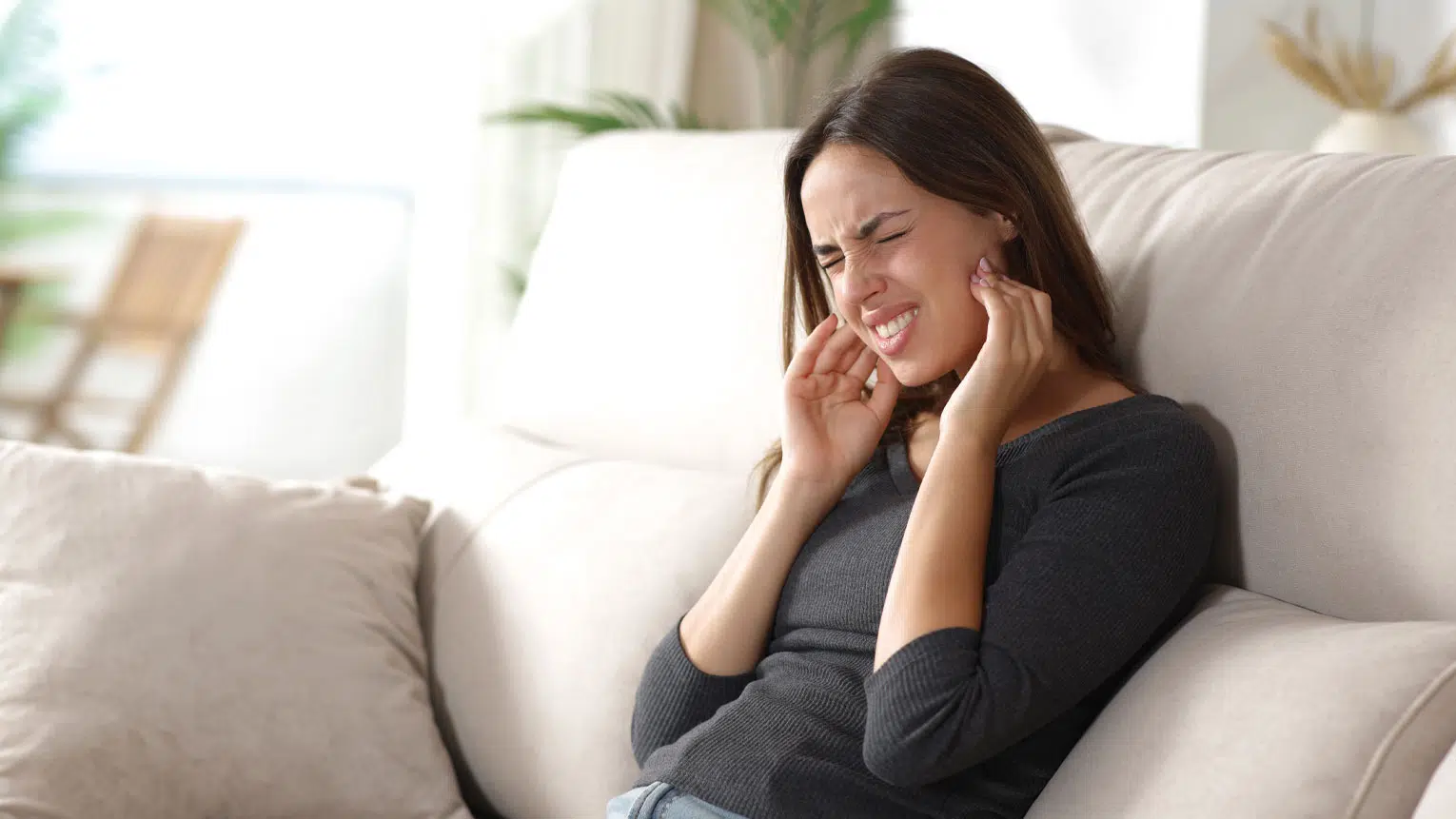
Jaw Soreness or Bite Changes with a Sleep Apnea Appliance: When to Call
Learn which jaw and bite changes to report during sleep-apnea appliance treatment and why professional follow-up matters.
Sleep Apnea: Symptoms, Health Risks, Diagnosis, and Treatment Options
Learn sleep apnea warning signs, how diagnosis works, and how medical and dental teams help select and monitor treatment.
