
TMJ and Sleep Apnea: The Surprising Connection and How to Treat It
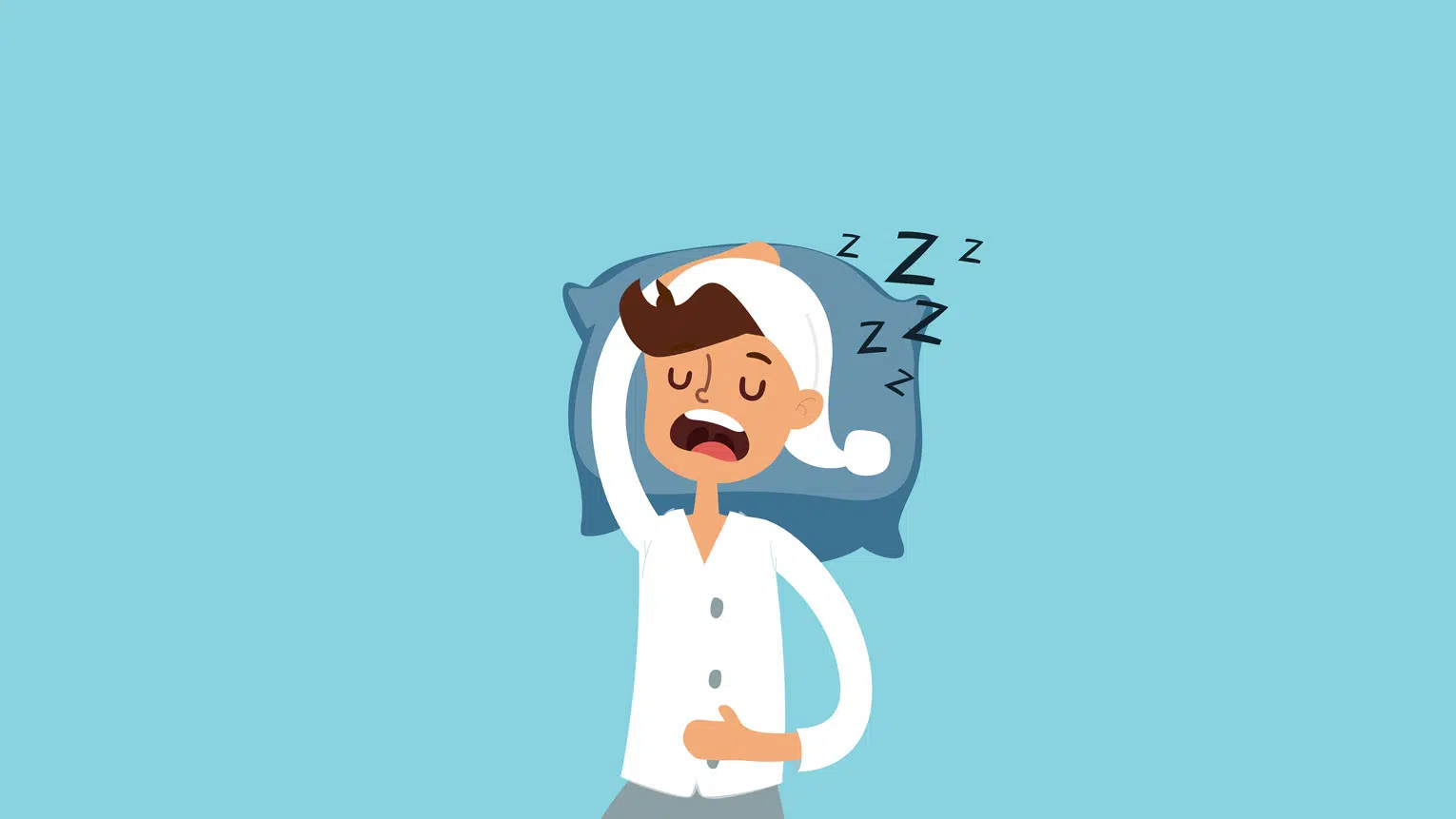




Most people don’t realize that TMJ disorder and sleep apnea often occur together. When your jaw is misaligned, it can restrict your airway and trigger sleep disruptions that leave you exhausted.
At Smile On Dental Salon & Sleep Apnea Center, we’ve seen countless patients discover relief once they understand this connection. If you wake up gasping for air or experience jaw pain, this guide will show you what’s really happening and how to fix it.
What Is TMJ Disorder and Why It Matters for Your Sleep
Understanding the Temporomandibular Joint
The temporomandibular joint is the hinge that connects your lower jaw to your skull, and when it malfunctions, the consequences ripple through your entire body. TMJ disorder affects millions of people, though many never receive a proper diagnosis because symptoms get mistaken for other conditions. You might experience jaw pain, tenderness at the joints, earache, difficulty chewing, facial ache, or occasional jaw locking. Some people also grind or clench their teeth at night-a condition called bruxism-which happens even in people with perfectly aligned jaws. The real problem starts when you ignore these warning signs.
How Jaw Misalignment Restricts Your Airway
Jaw misalignment directly restricts your airway space, forcing your body to work harder to breathe during sleep. This restriction doesn’t just cause discomfort; it triggers a cascade of sleep disruptions that leave you exhausted the next day. The anatomical connection between your jaw position and airway opening means that even slight misalignment can compromise breathing patterns throughout the night.
The Sleep Disruption Cycle
TMJ pain makes falling asleep difficult and causes frequent awakenings throughout the night, creating a vicious cycle where fatigue increases pain sensitivity. Research from the OPPERA study, which tracked over 2,600 adults, found that people with high sleep apnea risk had a 73% higher chance of developing TMJ disorder compared to those with low risk. Morning jaw stiffness and headaches are telltale signs that bruxism or jaw tension disrupted your rest. Sleep deprivation heightens pain sensitivity, making TMJ symptoms worse and creating a feedback loop that’s difficult to break without intervention.
Why Both Conditions Demand Attention
The connection between these conditions matters because treating one often improves the other. Addressing jaw alignment can reduce sleep disruptions, while better sleep naturally reduces inflammation and pain in the joint. Understanding how your jaw position affects your airway opens the door to solutions that work on both problems simultaneously, which is why the next section explores the specific research linking these conditions.
Why Jaw Position Blocks Your Airway
The Mechanical Problem of Misalignment
Your jaw’s position directly determines how much space your airway has during sleep. When your temporomandibular joint sits out of alignment, your lower jaw shifts backward, narrowing the passage where air flows to your lungs. This isn’t a minor anatomical quirk-it’s a mechanical problem that forces your airway to collapse more easily when your throat muscles relax at night. A recessed jaw can reduce airway space and contribute to airway collapse during sleep, making it a structural cause of obstructive sleep apnea.
Gender Differences in Risk
Women with TMJ problems face particularly high stakes. Research shows that women with high sleep apnea likelihood had roughly fourfold odds of developing chronic TMJ disorder. This gender difference matters because many women dismiss jaw pain as stress-related, missing the sleep apnea connection entirely. The baseline incidence of first-onset TMJ disorder reached 6.96 percent per year in people with high sleep apnea risk, compared to just 3.02 percent per year in the low-risk group-more than double the rate.
The Independent Connection
What makes this link even stronger is that the connection remains significant even after accounting for body weight, smoking status, and heart rate. The independent association proves jaw position isn’t just a side effect of weight gain or other factors. Your jaw mechanics operate as a standalone risk factor for sleep disruption, separate from the usual suspects that doctors typically investigate.
Why Fragmented Care Misses Both Conditions
Most people don’t catch both conditions simultaneously because they treat symptoms in isolation rather than looking at the system as a whole. Someone with jaw pain visits a dentist, while someone with daytime exhaustion might blame work stress instead of investigating sleep quality. A person waking up gasping for air assumes they have sleep apnea alone and never mentions jaw discomfort to their sleep doctor. This fragmentation happens constantly in standard care, which is why screening matters.
Taking Action Through Integrated Assessment
If you have TMJ symptoms, ask specifically about sleep apnea risk using validated tools like the STOP questionnaire, which has 66 percent sensitivity for detecting sleep apnea when compared against sleep studies. If you have sleep apnea symptoms, mention any jaw pain or morning stiffness to your care provider. Treating sleep apnea with CPAP or oral appliance therapy actually reduces pain sensitivity and increases pain tolerance according to research, meaning better breathing at night directly improves your jaw’s recovery. The bidirectional nature of this connection means addressing one condition creates measurable improvements in the other-a reality most patients never experience because their care remains split between separate specialists. Understanding this relationship transforms how you approach treatment, which leads directly into exploring the specific solutions that work on both problems simultaneously.
How to Actually Treat Both Conditions at Once
Oral Appliance Therapy: The Dual-Action Solution
Oral appliance therapy stands as the most practical solution for patients dealing with both TMJ and sleep apnea simultaneously. Unlike CPAP machines that push air through your nose and mouth, oral appliances work by gently advancing your lower jaw forward during sleep, which accomplishes two critical things at once: they open your airway to prevent apnea episodes and reposition your jaw into a more stable alignment. This forward movement reduces the mechanical stress on your temporomandibular joint, meaning you get airway relief and jaw relief from a single device. Research shows that CPAP and oral appliance therapy both maintain airway patency effectively, but oral appliances offer a distinct advantage for TMJ patients because they address the structural jaw position that causes both problems. Custom-fitted devices work significantly better than off-the-shelf options because they account for your specific jaw anatomy and bite pattern.
Physical Therapy and Muscle Recovery
Physical therapy for your jaw muscles produces measurable improvements when combined with appliance therapy rather than standing alone. Targeted exercises strengthen the muscles supporting your jaw while reducing tension that accumulates from years of compensation patterns. Heat application before bed relaxes muscles and improves sleep comfort substantially. Treating sleep apnea with oral appliances can lead to overall improvements in sleep quality, meaning once your breathing improves at night, your body recovers faster from jaw inflammation.
Lifestyle Adjustments That Work
Lifestyle adjustments matter more than most patients realize. Switching to soft foods eliminates the chewing stress that aggravates both conditions. Stress reduction through cognitive-behavioral therapy improves sleep quality because anxiety directly worsens jaw clenching during sleep. These changes work best when you implement them consistently alongside your appliance therapy.
When Conservative Treatment Falls Short
If conservative treatments fail after three to six months of consistent effort, arthrocentesis becomes the next logical step. This minimally invasive procedure can help release adhesions between the articular disc and the mandibular fossa, which can improve mobility and circulation. More advanced options like TMJ arthroscopy address internal joint problems directly by removing scar tissue and damaged tissue, though this requires careful assessment to confirm it’s necessary. Open-joint surgery remains the last resort because it carries higher risks and should only happen when structural damage won’t respond to anything else.
Coordinated Care for Complex Cases
Determining which interventions your situation demands requires assessment from multiple specialists rather than rushing into unnecessary procedures. Sleep specialists and oral surgeons work together to evaluate your specific anatomy and symptoms, then recommend the treatment path most likely to succeed. This coordinated approach prevents the fragmented care that typically misses the TMJ-sleep apnea connection entirely.
Final Thoughts
Treating TMJ and sleep apnea together creates a direct pathway to better sleep because jaw alignment directly affects airway function. When your temporomandibular joint sits in proper position, your airway stays open throughout the night, eliminating the breathing interruptions that fragment your rest. Better sleep then reduces inflammation in your jaw joint, creating a positive cycle where each improvement reinforces the other.
If you wake up gasping for air, experience jaw pain, or notice morning stiffness, take action immediately. Start by documenting your symptoms and when they occur, then schedule an evaluation with a provider who understands this connection. Ask specifically about sleep apnea screening using validated tools, and mention any jaw discomfort or teeth grinding to your care team.
We at Smile On Dental Salon & Sleep Apnea Center specialize in exactly this kind of integrated care, combining dental expertise with sleep medicine knowledge to address both your jaw and airway in one coordinated treatment plan. Our team offers oral appliance therapy that repositions your jaw while opening your airway, professional assessment of your specific anatomy, and personalized treatment recommendations based on your actual needs. Contact us to start your evaluation and discover how treating both conditions together can transform your sleep quality and daily function.
Meet the Author

Dr. Paul Poncza
Dr. Poncza provides sleep and cosmetic dentistry with a focus on better rest, improved health, and confident smiles.
Meet Dr. PonczaRelated Posts

TMJ and Sleep Apnea: The Surprising Connection and How to Treat It
Learn about sleep apnea symptoms, health risks, and effective treatment options including oral appliance therapy at our dental center.
TMJ and Sleep Apnea: The Surprising Connection and How to Treat It
Explore CPAP alternatives for sleep apnea relief. Learn effective treatments to improve your sleep quality and overall health.
TMJ and Sleep Apnea: The Surprising Connection and How to Treat It
Explore oral appliance therapy for sleep apnea as a comfortable alternative to CPAP, offering easier breathing and restful nights.
