
The Dangers of Untreated Sleep Apnea
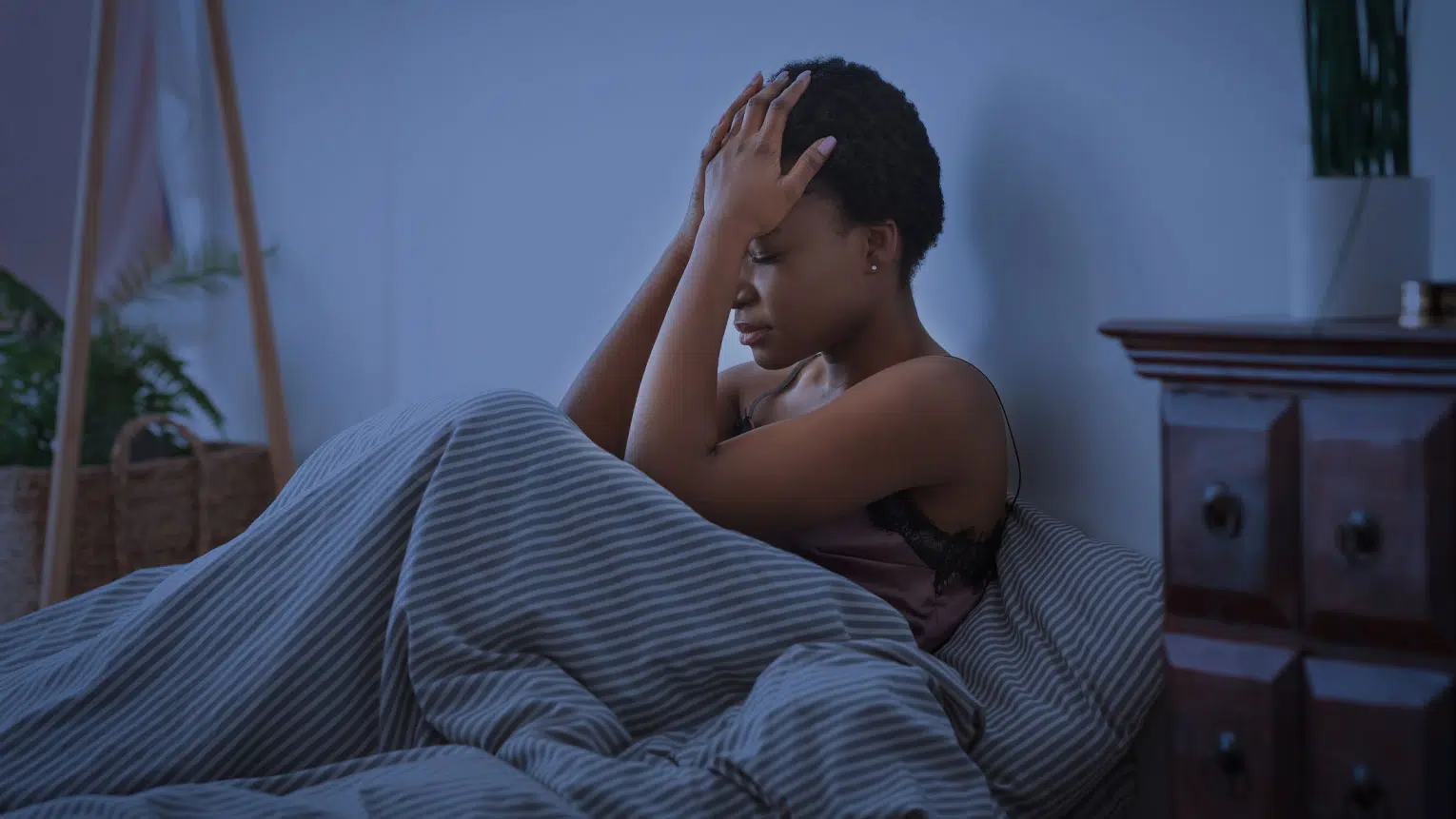




Sleep apnea affects 22 million Americans, yet 80% remain undiagnosed. This silent condition disrupts breathing during sleep, causing oxygen levels to drop repeatedly throughout the night.
We at Smile On Dental Salon & Sleep Apnea Center see patients daily who suffer from untreated sleep apnea risks. The consequences extend far beyond poor sleep quality, threatening your heart, brain, and overall health.
What Health Problems Does Sleep Apnea Cause
Heart Disease and Blood Pressure Complications
Untreated sleep apnea forces your cardiovascular system into overdrive every night. The American Heart Association reports that sleep apnea prevalence is as high as 40% to 80% in patients with hypertension, heart failure, and coronary artery disease. Each breath interruption triggers a stress response that spikes your blood pressure and heart rate. Men with untreated sleep apnea are three times more likely to suffer strokes compared to those without the condition. Your heart works harder during these episodes, which leads to irregular heartbeats and potentially fatal cardiac events. The Wisconsin Sleep Cohort Study found that severe sleep apnea increases cardiovascular mortality risk by 520%.
Diabetes and Weight Management Struggles
Sleep apnea disrupts your body’s glucose metabolism and creates a dangerous cycle with diabetes. Research shows a high prevalence of type 2 diabetes with sleep-disordered breathing. The condition triggers insulin resistance by elevation of stress hormones like cortisol throughout the night. Johns Hopkins Medicine confirms that sleep apnea patients develop type 2 diabetes at significantly higher rates (independent of obesity factors). Weight gain becomes inevitable when sleep deprivation alters hormones that control hunger and satiety. The apnea-hypopnea index directly correlates with metabolic dysfunction severity. A 10% weight gain is associated with a nearly 32% increase in the apnea-hypopnea index according to American Heart Association data.
Brain Function and Stroke Risk
Sleep apnea starves your brain of oxygen repeatedly each night and causes measurable cognitive decline. Studies demonstrate that untreated patients show reduced gray matter in areas that control memory and executive function. The risk of stroke jumps dramatically with moderate to severe sleep apnea cases. Chronic oxygen deprivation leads to inflammation in blood vessels and increases clot formation risk. Patients experience morning headaches, concentration problems, and memory lapses that worsen over time without treatment.
These physical health consequences represent only part of the picture. Sleep apnea also devastates your daily life and mental wellbeing in ways that affect every aspect of your existence.
How Sleep Apnea Destroys Your Daily Performance
Workplace Productivity Crashes From Chronic Fatigue
Sleep apnea patients lose an average of 11.3 days per year due to excessive daytime sleepiness. Your concentration plummets when oxygen deprivation fragments your sleep cycles 30 to 100 times each night. The National Safety Council reports that fatigue-related productivity losses cost employers $136 billion annually.
Workers with untreated sleep apnea face twice the risk of workplace accidents and show measurably slower reaction times. Decision-making abilities deteriorate as your prefrontal cortex struggles with chronic sleep debt. Performance reviews suffer when colleagues notice your inability to stay alert during meetings or complete tasks efficiently.
Mental Health Deteriorates Without Restorative Sleep
Depression affects 50% of sleep apnea patients compared to 18% in the general population (according to Neuropsychiatric Disease and Treatment research). Anxiety disorders develop when your nervous system remains in constant fight-or-flight mode from nightly breathing interruptions. The repeated oxygen drops trigger stress hormone releases that alter brain chemistry and mood regulation.
Women with sleep apnea experience depression at twice the rate of men with the condition. Irritability becomes your default state when deep sleep stages never occur properly. Relationships strain as partners deal with your mood swings and emotional instability that stem from chronic sleep disruption.
Cognitive Function Declines With Each Untreated Night
Memory consolidation fails when sleep apnea prevents you from reaching REM sleep stages. Brain imaging studies show measurable gray matter loss in areas that control executive function and working memory. The hippocampus shrinks in untreated patients (making it harder to form new memories or recall information).
Processing speed slows dramatically as chronic oxygen deprivation damages neural pathways. Simple tasks like following directions or managing schedules become overwhelming challenges that worsen without treatment. These cognitive impairments compound over time, making effective treatment options more important than ever.
What Treatment Works Best for Sleep Apnea
Custom Oral Appliances Outperform Generic Solutions
Oral appliance therapy achieves success rates in the range of 30% to 85% in mild to moderate sleep apnea cases. These custom devices reposition your jaw and tongue to maintain open airways during sleep. The treatment advances your lower jaw forward 6-10 millimeters, which increases airway space by up to 40%. Patients report immediate improvements in sleep quality and daytime alertness within the first week of use. Medicare and most insurance plans cover oral appliance therapy when sleep specialists prescribe the treatment.
CPAP Alternatives Provide Better Long-Term Compliance
CPAP machines show only 50% long-term compliance rates due to discomfort and inconvenience factors. Hypoglossal nerve stimulation therapy offers a surgical alternative with 68% response rates in clinical trials published by the New England Journal of Medicine. This implanted device stimulates tongue muscles to prevent airway collapse during sleep. Positional therapy devices reduce apnea events by 50% in patients whose symptoms worsen when they sleep on their backs. Weight loss surgery proves effective for severely obese patients (with gastric bypass reducing sleep apnea severity by 75% within 12 months according to bariatric surgery studies).
Nasal and Structural Interventions Address Physical Blockages
Nasal dilators and septoplasty procedures address structural obstructions that contribute to sleep apnea symptoms. Turbinate reduction surgery opens nasal passages and improves airflow in patients with chronic congestion. Uvulopalatopharyngoplasty removes excess tissue from the throat to widen the airway. These surgical options work best when combined with other treatment approaches for comprehensive care.
Lifestyle Modifications Target Root Causes
Weight loss of just 10% reduces sleep apnea severity by 26% based on Wisconsin Sleep Cohort data. Alcohol elimination before bedtime decreases interruption frequency by 30% in moderate cases. Smoking cessation reduces upper airway inflammation and improves treatment outcomes significantly. Anti-inflammatory medications help patients with allergic rhinitis that worsens sleep apnea symptoms. Sleep position training prevents back-sleeping episodes that trigger more severe apnea events.
Final Thoughts
Sleep apnea kills when you ignore it and transforms a treatable condition into a life-threatening health crisis. The 22 million Americans with undiagnosed sleep apnea face cardiovascular mortality rates 520% higher than healthy individuals. Each untreated night compounds brain damage, metabolic dysfunction, and mental health deterioration that becomes irreversible over time.
Early intervention prevents these devastating outcomes and restores quality of life within weeks. The Wisconsin Sleep Cohort Study demonstrates that prompt treatment reduces stroke risk by 75% and eliminates workplace accident risks entirely. Patients who address their condition early avoid the cascade of complications that make treatment more complex and expensive later.
We at Smile On Dental Salon & Sleep Apnea Center specialize in effective oral appliance therapy that provides comfortable alternatives to CPAP machines (with success rates between 30% to 85% in mild to moderate cases). Our team creates personalized treatment plans that address your specific untreated sleep apnea risks. Professional diagnosis and treatment at Smile On Dental Salon & Sleep Apnea Center can save your life and restore the energy you’ve lost to this dangerous condition.
Meet the Author

Dr. Paul Poncza
Dr. Poncza provides sleep and cosmetic dentistry with a focus on better rest, improved health, and confident smiles.
Meet Dr. PonczaRelated Posts

The Dangers of Untreated Sleep Apnea
Learn about sleep apnea symptoms, health risks, and effective treatment options including oral appliance therapy at our dental center.
The Dangers of Untreated Sleep Apnea
Explore oral appliance therapy for sleep apnea as a comfortable alternative to CPAP, offering easier breathing and restful nights.

The Dangers of Untreated Sleep Apnea
Stop jaw clenching and tooth pain from bruxism with proven relief strategies and treatment options explained
