
The 4 Stages of Gum Disease: What You Need to Know
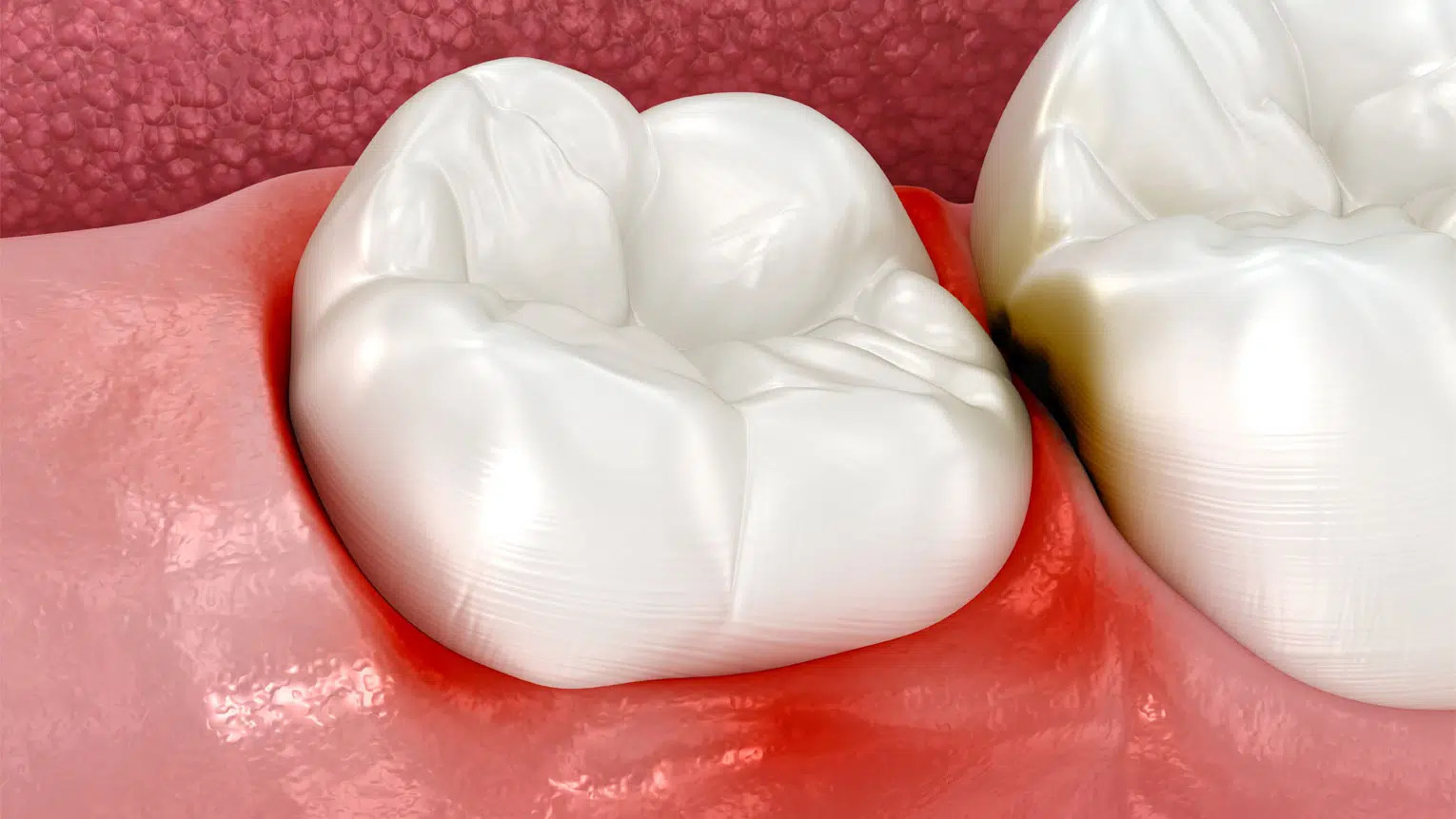




Gum disease affects 47.2% of adults over 30 in the United States, making it one of the most common oral health problems. Understanding the gum disease stages helps you recognize warning signs before permanent damage occurs.
We at Smile On Dental Salon & Sleep Apnea Center see patients daily who could have prevented serious complications with earlier intervention. This guide breaks down each stage and shows you exactly what to watch for.
How Does Gum Disease Actually Start
Gum disease begins when bacterial plaque accumulates along your gum line and hardens into tartar within 2 to 3 days. The American Dental Association reports that over 700 different bacterial species live in your mouth, but specific harmful bacteria like Porphyromonas gingivalis and Tannerella forsythia trigger the inflammatory response that damages your gums. These bacteria release toxins that break down the connective tissue between your gums and teeth, which creates the perfect environment for infection to spread deeper.
The Plaque Formation Process
Plaque forms continuously in your mouth through a predictable sequence. Within minutes of teeth cleaning, a thin protein film called the pellicle coats your tooth surfaces. Bacteria attach to this film within two to four hours and form colonies that multiply rapidly. Without daily removal through brushing and flossing, plaque mineralizes into tartar that only professional cleaning can remove. The National Institute of Dental and Craniofacial Research found that people who skip flossing have 40% more harmful bacteria between their teeth compared to consistent flossers.
Risk Factors That Accelerate Disease Progression
Smoking increases your gum disease risk by 300% according to the Centers for Disease Control, while diabetes doubles your likelihood of severe periodontitis development. Stress elevates cortisol levels, which suppresses your immune system’s ability to fight oral bacteria. Women experience heightened risk during pregnancy due to hormonal changes (with 60% to 75% of pregnant women developing gingivitis). Genetics play a significant role too – if your parents had gum disease, you have a 30% higher chance of development regardless of your oral hygiene habits.
How Bacteria Penetrate Your Defenses
Your mouth’s natural defense system includes saliva that neutralizes acids and washes away food particles. However, harmful bacteria produce biofilms that protect them from saliva and antimicrobial agents. These biofilms allow bacteria to thrive in oxygen-poor environments below your gum line. Once bacteria establish these protected colonies, they multiply exponentially and release endotoxins that trigger chronic inflammation (the hallmark of all gum disease stages).
These bacterial colonies set the stage for the four distinct stages of gum disease progression, each with specific symptoms and treatment requirements.
What Happens at Each Stage of Gum Disease
Stage One Gingivitis Shows Immediate Warning Signs
Gingivitis develops within 10 to 21 days of plaque accumulation and affects your gum tissue exclusively without damage to the bone structure underneath. Your gums become red, swollen, and bleed easily when you brush or floss. At this stage, your gum pockets measure between 1 to 3 millimeters deep (which falls within the normal healthy range). The key advantage of gingivitis is complete reversibility through consistent oral hygiene and professional cleanings within two to four weeks.
Early Periodontitis Creates Permanent Structural Changes
Early periodontitis marks the point where gum disease becomes irreversible, with gum pockets that deepen to 4 to 5 millimeters as bacteria penetrate below the gum line. The Journal of Periodontology found that 42% of adults over 30 have periodontitis. Your gums begin to pull away from teeth and create spaces where food particles and bacteria accumulate more easily. Bone loss starts to occur at this stage, though it remains minimal and often goes undetected without X-rays. Bad breath becomes persistent due to bacterial waste products, and you may notice slight tooth sensitivity as root surfaces become exposed.
Moderate Periodontitis Threatens Tooth Stability
Moderate periodontitis features pocket depths of 6 to 7 millimeters with significant bone loss visible on dental X-rays. Teeth become noticeably loose as bone support deteriorates, and you may experience pain while you chew. Your teeth may shift position slightly, and gaps can develop between them as the bone foundation weakens.
Advanced Periodontitis Causes Severe Damage
Advanced periodontitis represents the final stage where pocket depths exceed 7 millimeters and extensive bone loss occurs. At this point, teeth shift position dramatically, develop large gaps between them, and often require extraction due to mobility. Pus formation around the gum line becomes common, and the infection risk spreads to other parts of your body through your bloodstream. This stage requires immediate professional intervention to prevent tooth loss and systemic health complications.
Each stage requires specific treatment approaches that target the severity of damage and prevent further progression to more serious complications.
Which Treatment Works Best for Your Stage
Gingivitis treatment requires aggressive plaque removal through professional dental cleanings every 3 to 4 months combined with antimicrobial mouth rinse twice daily. The American Academy of Periodontology found that patients who receive professional cleanings within 14 days of gingivitis onset achieve complete gum health restoration in 85% of cases. Electric toothbrushes remove 21% more plaque than manual brushes according to Cochrane reviews, which makes them essential for gingivitis reversal. Water flossers reduce bleeding by 29% more than string floss alone when you use them with antibacterial rinse solutions.
Scaling and Root Planing Stops Early Periodontitis
Early periodontitis demands scaling and root planing treatment that removes tartar deposits below your gum line and smooths tooth root surfaces to prevent bacterial reattachment. This deep cleaning procedure typically requires 2 to 4 appointments with local anesthesia and costs between $140 to $300 per quadrant according to dental insurance data. Studies show scaling and root planing effectively reduces pocket depths in early periodontitis cases within 6 weeks. Post-treatment maintenance cleanings every 3 months become mandatory to prevent disease recurrence (as 60% of patients experience progression without consistent follow-up care).
Surgical Options Become Necessary for Advanced Stages
Moderate to advanced periodontitis requires surgical intervention that includes flap surgery, bone grafts, and guided tissue regeneration to restore lost bone structure. Flap surgery allows direct access to root surfaces and bone defects with success rates of 70% for pocket reduction according to periodontal research. Bone grafts use synthetic materials or donor tissue and cost $300 to $800 per tooth but regenerate lost bone in 65% of cases over 12 months.
Laser Therapy Offers Modern Treatment Advantages
Laser therapy reduces healing time by 40% compared to traditional surgery while it preserves healthy tissue more effectively than conventional methods. The LANAP protocol targets diseased tissue specifically without damaging healthy gums around it. Patients experience less pain and swelling after laser treatment (with most returning to normal activities within 24 hours). This technology costs 20% to 30% more than traditional surgery but offers superior comfort and faster recovery times for moderate to advanced cases.
Final Thoughts
Early detection transforms gum disease from a serious threat into a manageable condition. The CDC reports that only 64% of adults receive regular dental checkups, yet those who maintain consistent six-month visits reduce their risk of advanced periodontitis by 73%. Knowledge of the four gum disease stages empowers you to recognize symptoms before irreversible damage occurs.
Professional cleanings remove bacterial deposits that home care cannot reach, while regular examinations detect pocket depth changes that signal disease progression. Patients who receive preventive care spend 60% less on dental treatments over their lifetime compared to those who seek emergency care only. Regular maintenance appointments help you catch problems at the earliest possible stage (when treatment options remain simple and effective).
We at Smile On Dental Salon & Sleep Apnea Center provide comprehensive periodontal treatments and patient education to help prevent disease progression. Your gums support your teeth for life when you take proactive steps. Schedule your next appointment and commit to daily flossing to protect your oral health investment.
Meet the Author

Dr. Nicole Kujawa
Dr. Kujawa provides cosmetic and general dentistry with a gentle touch and a passion for helping patients feel confident in their smiles.
Meet Dr. Kujawa