
Sleep Apnea: Symptoms, Health Risks, Diagnosis, and Treatment Options
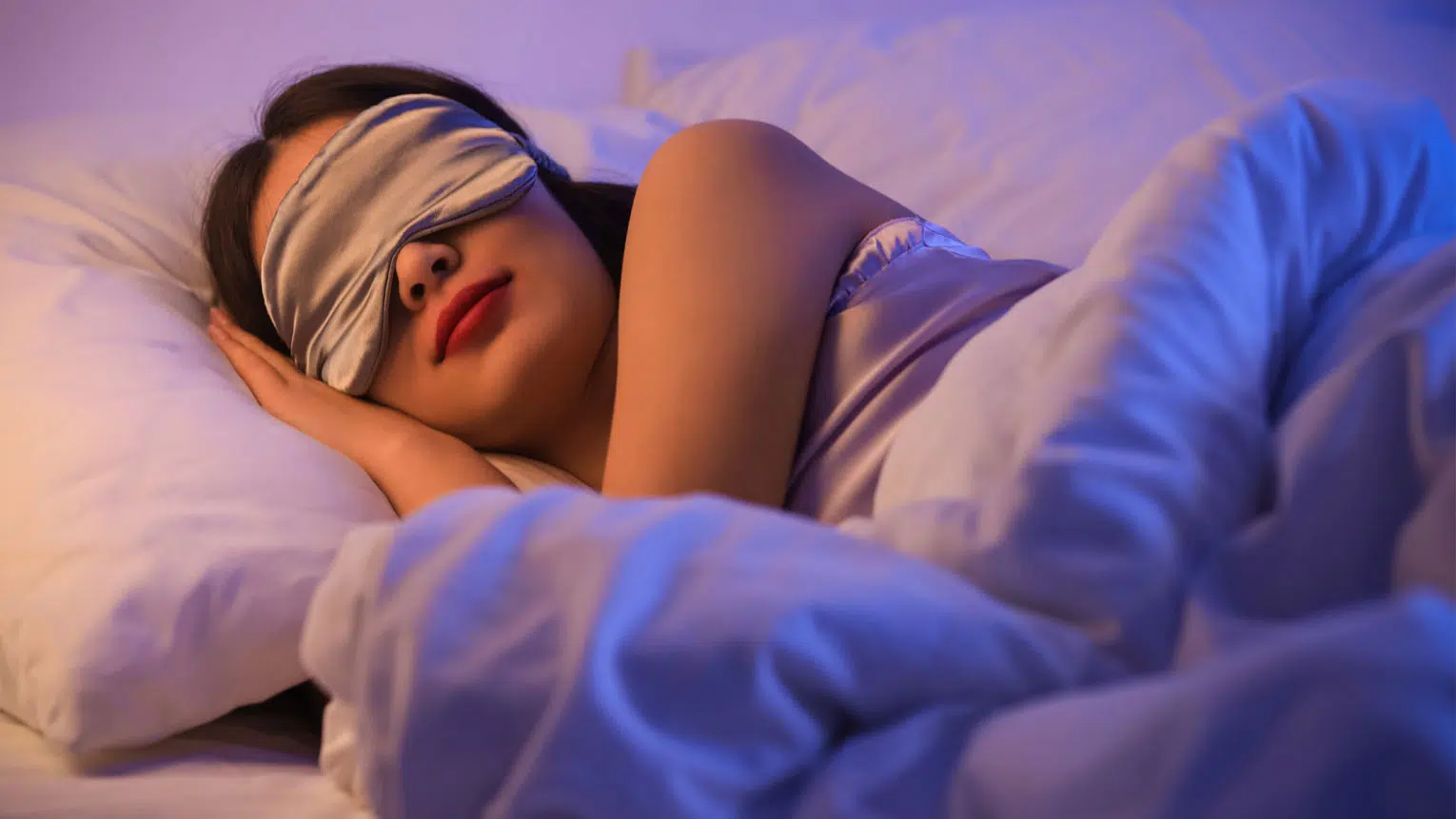




Sleep apnea affects millions of people, yet many don’t realize they have it. The condition disrupts your breathing during sleep, leading to serious health consequences if left untreated.
At Smile On Dental Salon & Sleep Apnea Center, we help patients recognize the warning signs and explore effective treatment options. This guide covers what you need to know about symptoms, risks, diagnosis, and solutions.
What Sleep Apnea Sounds and Feels Like
The Nighttime Warning Signs
Your bed partner notices something first. Loud snoring interrupts their sleep, followed by sudden gasping or choking sounds as you restart breathing. These hallmark nighttime signals of sleep apnea matter because they often appear before you recognize the problem yourself. The snoring itself isn’t the issue-what causes it is. When your airway narrows or collapses during sleep, your muscles struggle to pull air through, creating that loud sound. Then your body jolts you awake just enough to restart breathing, though you won’t remember it the next morning. This cycle can happen 20 to 30 times per hour in moderate to severe cases, preventing the deep, restorative sleep your body needs.
The Exhaustion That Won’t Go Away
The daytime consequences hit harder than most people expect. You wake up exhausted even after eight hours in bed, and that fatigue doesn’t improve with rest. You find yourself nodding off during meetings, struggling to stay alert while driving, or feeling foggy when you make important decisions. Morning headaches are common too-your brain spent the night without enough oxygen, and the repeated awakenings trigger tension headaches that linger into your day. Concentration becomes difficult. Tasks that normally require focus feel impossible.
The Diagnosis Gap
Only 6 million Americans receive a diagnosis for sleep apnea, leaving roughly 80 percent of people with the condition unaware they have it, attributing their daytime exhaustion to stress or aging instead of recognizing it as a medical problem. If your bed partner reports gasping sounds at night, or if you wake up unrefreshed despite adequate sleep hours, these aren’t minor inconveniences-they’re signals that your airway collapses repeatedly.
What Happens Next
Your healthcare provider can evaluate these symptoms and order appropriate testing. The longer sleep apnea remains untreated, the more damage it causes to your cardiovascular system and cognitive function. Understanding what happens to your body when sleep apnea goes unaddressed reveals why diagnosis and treatment matter so much.
Why Untreated Sleep Apnea Damages Your Heart and Brain
Your heart works harder every time your breathing stops. When your airway collapses during sleep, oxygen levels in your blood drop, triggering your nervous system to jolt you awake. This happens repeatedly throughout the night-sometimes 20 to 30 times per hour in moderate cases. Each arousal causes a spike in blood pressure and stress hormones, forcing your cardiovascular system into overdrive when it should be resting.
Over months and years, this constant strain reshapes your heart’s structure and function. Untreated sleep apnea raises your risk of high blood pressure significantly, and people with sleep apnea face substantially higher rates of heart attack and stroke compared to those without the condition. The American Heart Association recognizes sleep apnea as a serious cardiovascular risk factor because the damage compounds over time.
How Sleep Apnea Harms Your Brain
Your brain suffers during these nightly oxygen drops. Repeated arousals prevent you from reaching deep sleep stages where your brain consolidates memory and clears metabolic waste. This explains why untreated sleep apnea impairs concentration, weakens decision-making, and accelerates cognitive decline and dementia risk. Studies show that people with moderate-to-severe untreated sleep apnea have significantly higher dementia risk in later years.
The Danger Behind the Wheel
Daytime drowsiness from sleep apnea creates a safety crisis you might not fully appreciate. Your reaction time slows by the same margin as someone with a blood alcohol level of 0.08 percent (the legal limit for drunk driving). People with untreated sleep apnea have two to three times more car accidents than the general population, and many don’t connect their near-misses or crashes to their sleep disorder.
Fatigue impairs your judgment in ways you won’t notice while it’s happening-you’ll feel alert enough to drive, but your brain isn’t processing information quickly enough to avoid danger. Operating machinery, managing complex tasks at work, or caring for children all become riskier when sleep apnea steals your alertness.
Why Diagnosis Changes Everything
This is why diagnosis and treatment matter urgently, not eventually. Once you understand what’s happening during your sleep, you can take action to protect your health. The good news is that multiple effective treatment options exist, and many people experience improvements in alertness and energy within days to a couple of weeks after starting the right therapy. Your next step involves getting tested to confirm whether sleep apnea is causing your symptoms and, if so, which treatment approach works best for your situation.
How to Get Diagnosed and Which Treatment Works Best for You
Home Sleep Testing: Your First Step to Answers
Home sleep testing offers the fastest path to diagnosis for most people. You wear simple sensors at home for one night-a finger pulse oximeter, nasal prong mask, and chest and abdominal sensors track your breathing patterns and oxygen levels while you sleep in your own bed. This approach costs about one-third to one-fifth the price of an in-lab study and delivers results within days. The test achieves an accuracy of over 90% for moderate-to-severe sleep apnea, though some people with mild apnea might need follow-up testing.
If sensors fall off during the night or your results seem inconsistent with your symptoms, your doctor may recommend an in-lab polysomnography study instead. A sleep technologist monitors brain activity, muscle tone, and leg movements alongside breathing data in a clinical setting. Sleep position affects your results significantly-apnea typically worsens when you sleep on your back, so position changes during testing help your doctor distinguish apnea from other sleep disorders.
CPAP: The Gold Standard Treatment
CPAP machines remain the gold standard, delivering pressurized air through a mask to keep your airway open throughout the night. Most people notice improvements in daytime alertness within days if the machine is properly fitted and comfortable. However, CPAP doesn’t work for everyone-some people find masks uncomfortable or struggle with long-term adherence. Mask styles vary (nasal pillow, nasal, and full-face options), and finding the right fit often requires trying several models.
Oral Appliance Therapy: An Effective Alternative
Oral appliance therapy offers a practical alternative, especially for mild-to-moderate sleep apnea. These custom-fitted devices reposition your jaw or tongue forward to prevent airway collapse, and they’re significantly easier to travel with than CPAP machines. Expect a two- to four-week adjustment period as you gradually increase nightly use. Regular dental follow-ups monitor fit and tooth alignment, which can shift over time with device use.
Lifestyle Changes and Emerging Options
For mild cases, lifestyle changes reduce apnea severity substantially. Weight loss, quitting smoking, and sleeping on your side instead of your back all improve breathing during sleep. FDA-approved tirzepatide for sleep apnea has shown promise in adults with obesity, though medical contraindications apply.
Finding Your Treatment Match
The right treatment is the one you’ll actually use consistently. Discuss your preferences and concerns with your sleep specialist and dentist to find what fits your life. Some patients use both therapies-CPAP at home and an oral appliance for travel or to reduce CPAP pressure when needed. Your treatment plan depends on severity, what you can tolerate long-term, and your specific health situation.
Take the First Step Toward Better Sleep and Better Health
Sleep apnea disrupts your nights and damages your health in ways you might not immediately recognize. Loud snoring, gasping awake, and relentless daytime fatigue signal that your airway collapses repeatedly during sleep. The cardiovascular strain, cognitive decline, and accident risk from untreated sleep apnea make diagnosis and treatment genuinely urgent, not optional.
Effective treatments exist, and most people feel dramatically better within days or weeks of starting the right approach. CPAP machines remain the most reliable option for controlling airflow, while oral appliance therapy offers a practical alternative for mild-to-moderate cases, especially if you travel frequently or struggle with mask comfort. Lifestyle changes like weight loss and side sleeping help some patients reduce severity significantly, and your treatment success depends on what you’ll actually use consistently.
We at Smile On Dental Salon & Sleep Apnea Center specialize in oral appliance therapy and can coordinate home sleep testing or referrals to sleep specialists based on your needs. Schedule your consultation today to take control of your sleep health and protect your heart, brain, and daily alertness.
Meet the Author

Dr. Paul Poncza
Dr. Poncza provides sleep and cosmetic dentistry with a focus on better rest, improved health, and confident smiles.
Meet Dr. PonczaRelated Posts
Sleep Apnea: Symptoms, Health Risks, Diagnosis, and Treatment Options
Explore CPAP alternatives for sleep apnea relief. Learn effective treatments to improve your sleep quality and overall health.
Sleep Apnea: Symptoms, Health Risks, Diagnosis, and Treatment Options
Explore oral appliance therapy for sleep apnea as a comfortable alternative to CPAP, offering easier breathing and restful nights.
Sleep Apnea: Symptoms, Health Risks, Diagnosis, and Treatment Options
Learn about untreated sleep apnea risks like heart problems and fatigue. Get expert insights from Smile On Dental Salon & Sleep Apnea Center.
