
Jaw Soreness or Bite Changes with a Sleep Apnea Appliance: When to Call
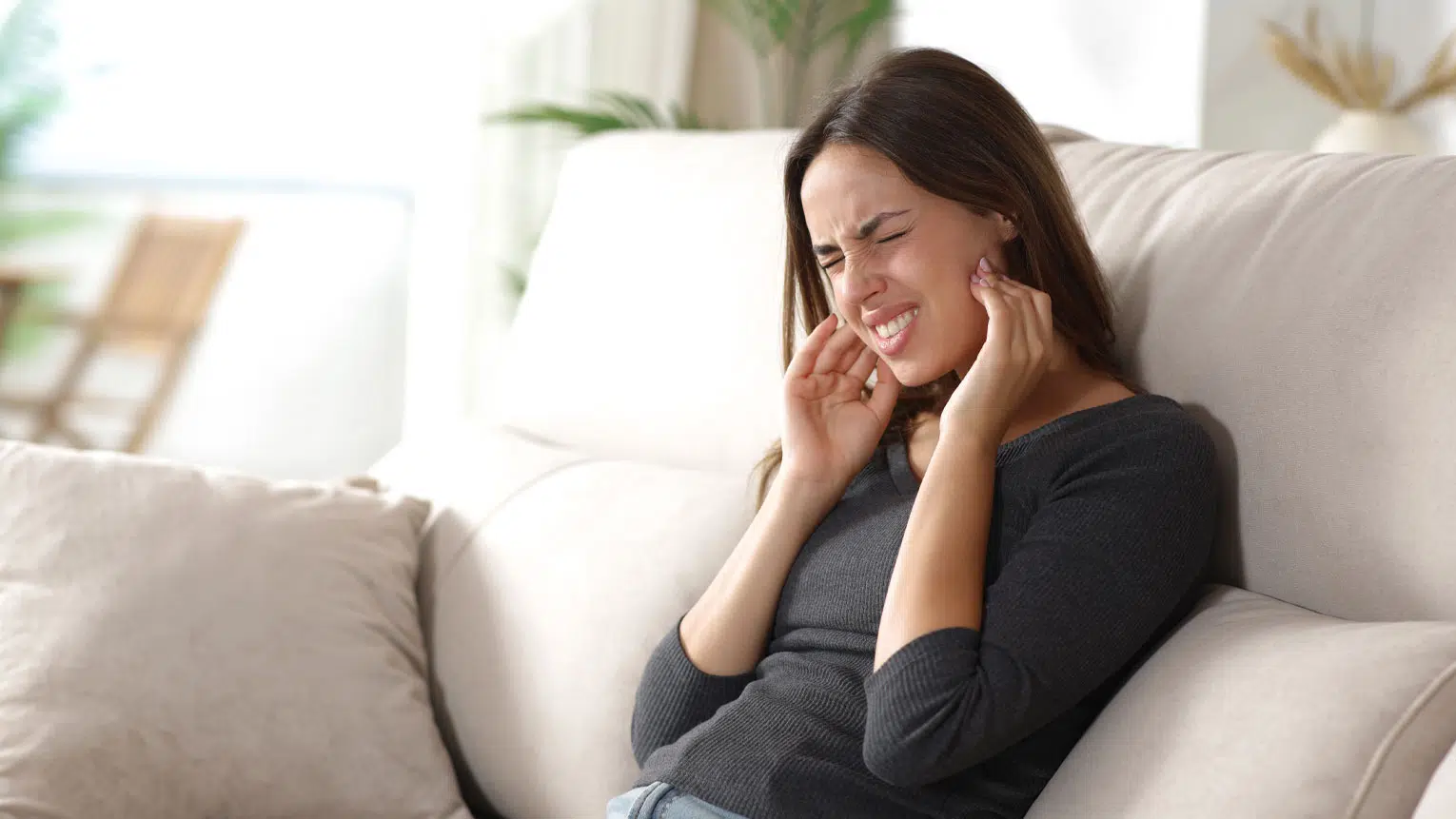




Jaw soreness and a bite that feels different are concerns to discuss with the dentist managing your sleep-apnea appliance. Some people notice temporary adjustment symptoms, while persistent pain or changes in how teeth meet need assessment. Do not assume that discomfort proves treatment is working or that it must simply be endured.
Why can an appliance affect the jaw and teeth?
A mandibular advancement appliance holds the lower jaw forward during sleep. The forces involved can affect muscles, teeth, and the bite. The American Academy of Dental Sleep Medicine’s patient resources describe jaw discomfort and tooth movement among possible issues and recommend follow-up when symptoms persist or increase.
This does not mean everyone develops the same problem. Your original bite, oral health, device, and treatment settings matter. An article cannot determine whether your symptoms are an expected adjustment or a sign that the plan needs changing.
Write down what changed
A brief description helps the team understand the pattern. Before calling, note:
- Where the discomfort is: one joint, both sides, a tooth, or the chewing muscles.
- When it starts and whether it eases after removing the appliance.
- Whether teeth meet differently, chewing is difficult, or opening is limited.
- Any recent adjustment, new dental work, or device damage.
- Whether you can follow the prescribed use instructions.
Bring the appliance and any prescribed morning guide to the visit. Do not start someone else’s exercises or add another guard over or under the device without instructions.
What should prompt a call?
Contact the treating office about persistent or worsening soreness, a bite change that concerns you, tooth pain, gum irritation, locking, or a device that no longer seats as expected. If you cannot comfortably use it, ask the care team what to do that night and how your sleep apnea should be managed while the issue is assessed.
Do not turn the adjustment mechanism, file a sharp area, or force the jaw into a position on your own. There is no universal number of days that makes every symptom harmless.
Follow-up includes more than comfort
Dental monitoring checks the mouth and appliance, while the sleep clinician helps assess the breathing disorder. The joint AASM/AADSM guideline recommends dental oversight and follow-up sleep testing. A comfortable device can still need effectiveness testing, and an effective device still needs monitoring for dental effects.
Keep jaw-pain and sleep-apnea care coordinated
Existing jaw symptoms should be discussed before and during treatment. A tooth-grinding guard is not interchangeable with a sleep-apnea appliance, and Botox for jaw pain is not a substitute for treating OSA.
Review Smile On’s oral appliance therapy and jaw-pain information. If your device is causing a new problem, contact the office managing it for an individualized plan rather than waiting for the next routine visit.
Sources
Meet the Author

Dr. Paul Poncza
Dr. Poncza provides sleep and cosmetic dentistry with a focus on better rest, improved health, and confident smiles.
Meet Dr. PonczaRelated Posts

How to Clean a Sleep Apnea Oral Appliance Without Guessing
Build a daily care routine for your sleep-apnea appliance and learn why cleaning products must match the device instructions.

Traveling with a Sleep Apnea Oral Appliance: A Packing and Care Checklist
Keep your prescribed sleep-apnea treatment on track while traveling with a practical packing, care, and backup-plan checklist.

Sleep Apnea: Symptoms, Health Risks, Diagnosis, and Treatment Options
Learn sleep apnea warning signs, how diagnosis works, and how medical and dental teams help select and monitor treatment.
