
Relieving Tooth Pain Caused by Bruxism





Tooth pain from bruxism affects millions of people, yet many don’t realize their nighttime grinding is the culprit. The constant pressure and friction wear down tooth enamel, crack surfaces, and trigger persistent discomfort that impacts daily life.
We at Smile On Dental Salon & Sleep Apnea Center see patients struggling with this problem regularly. This guide walks you through proven treatment options and prevention strategies to stop the pain and protect your teeth.
How Bruxism Damages Your Teeth and Why the Pain Won’t Stop
The Mechanics of Tooth Damage from Grinding
Bruxism manifests in two distinct forms. Awake bruxism occurs during the day when stress, concentration, or anxiety triggers unconscious jaw tension. Sleep bruxism happens at night and causes far more damage because the force remains uncontrolled-people can clench with up to 250 pounds of pressure during sleep. This nighttime assault on your teeth proves relentless. Your teeth absorb repetitive force hour after hour while you sleep, and the enamel gradually wears away. Once enamel erodes, the softer dentin underneath becomes exposed, triggering sharp pain when you eat hot or cold foods. Cracks develop in the tooth surface, and in severe cases, teeth fracture or loosen completely.
The damage compounds because grinding doesn’t affect just one tooth-it wears across your entire bite surface unevenly, creating misalignment that puts even more stress on weakened teeth. Multiple teeth often require restoration once bruxism progresses to advanced stages. The uneven wear pattern forces your jaw into abnormal positions, which accelerates further damage.
Warning Signs Your Teeth Are Suffering
Morning jaw stiffness and soreness signal that sleep bruxism is active. If you wake with a tight jaw, headaches around your temples, or facial pain, your teeth likely absorbed significant grinding force overnight. Some people notice their teeth feel sensitive even when brushing gently, or they see visible wear facets on the biting surfaces of their teeth. Tinnitus and ear pain sometimes accompany bruxism because the jaw joint sits directly in front of the ear canal, and constant grinding irritates it. A bed partner hearing grinding sounds at night provides concrete evidence that sleep bruxism is happening.
Without intervention, these symptoms escalate into TMJ disorders where the jaw joint becomes inflamed and clicking or popping develops. Headaches intensify from sustained muscle tension. Tooth sensitivity worsens as more enamel erodes. Early detection during routine dental exams prevents this cascade of complications.
Risk Factors That Increase Your Grinding
Stress and anxiety drive both awake and sleep bruxism significantly. Competitive, aggressive, or hyperactive personality types show higher rates of grinding. Caffeine intake above six cups daily doubles your bruxism risk. Smoking, alcohol consumption, and recreational drug use all increase grinding frequency. Certain medications cause bruxism as a side effect, including some antidepressants like fluoxetine and sertraline.
Sleep disorders amplify the problem substantially. The global sleep bruxism prevalence is 21%, and this percentage climbs significantly in people with obstructive sleep apnea. Genetic factors matter too-if your parents ground their teeth, your risk increases. Children often experience bruxism during growth periods, though most outgrow it by adolescence. Adults who develop bruxism typically struggle with it for years unless they address the underlying triggers.
Understanding what causes your grinding sets the stage for effective treatment. The next section explores proven solutions that stop the damage and relieve your pain.
How to Stop Tooth Damage: The Best Treatment Approaches
Protect Your Teeth with a Custom Night Guard
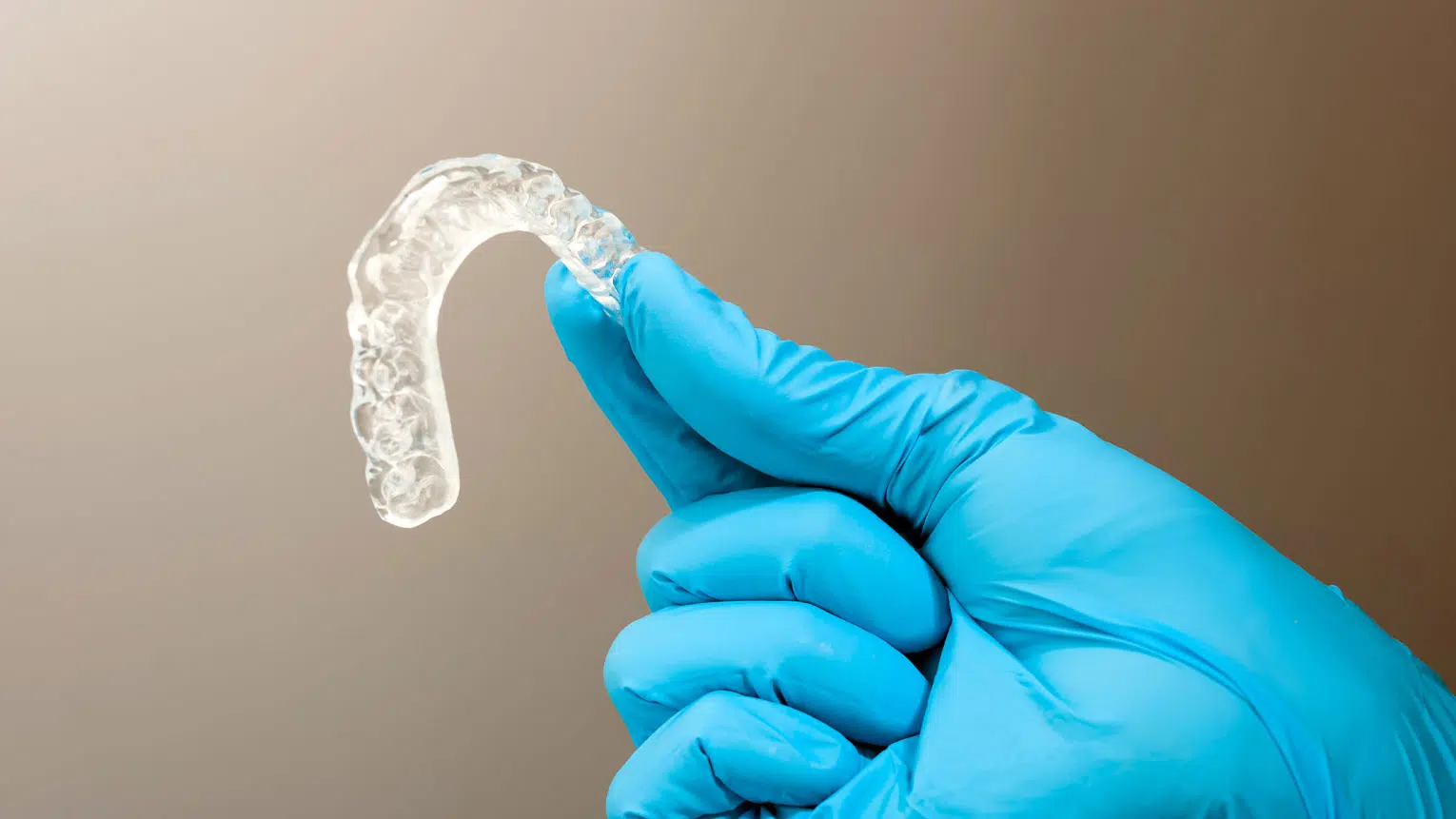
A custom night guard from your dentist stops the damage immediately by absorbing grinding force before it reaches your teeth. Unlike over-the-counter guards that offer minimal protection, a professionally fitted guard positions your jaw to reduce muscle strain and distributes pressure evenly across your bite surface. We at Smile On Dental Salon & Sleep Apnea Center create custom guards tailored to your bite pattern, which matters because an ill-fitting guard can actually worsen TMJ problems. You should wear your guard every night consistently-skipping nights defeats the purpose since even one grinding session can crack weakened teeth. If you grind during the day from stress, ask your dentist about a daytime guard you can wear discreetly at work or home. The cost typically ranges from $300 to $500 for a quality custom guard, and many insurance plans cover at least part of it. You should replace your guard every three to five years as the acrylic wears down from the grinding force.
Repair Existing Damage Through Professional Dental Solutions
Existing damage requires professional repair to restore function and eliminate pain. If your enamel has eroded and exposed the dentin underneath, your dentist may apply a bonded resin coating to seal the sensitive area-this procedure costs $100 to $600 per tooth and provides immediate relief. Cracked teeth often need crowns, which cost $800 to $1,500 each but restore the tooth’s strength and appearance completely. Severely fractured or loose teeth may require extraction and replacement with dental implants, a more extensive investment but the most durable solution available. You should address dental damage promptly because waiting allows cracks to deepen and sensitivity to worsen, sometimes making the tooth unsalvageable.
Attack Bruxism at Its Source with Lifestyle Changes
Lifestyle changes attack bruxism at its source rather than just protecting against damage. You should eliminate caffeine after 2 p.m.-studies confirm that caffeine intake above six cups daily doubles grinding risk, so cutting back directly reduces nighttime clenching. Replace evening alcohol and caffeine with herbal tea like chamomile or lavender, both proven to promote relaxation before bed. You should quit smoking entirely, as nicotine stimulates jaw muscle activity and worsens grinding substantially. Practice jaw relaxation exercises: place your tongue on the roof of your mouth behind your front teeth, slowly open your mouth as wide as comfortable, hold for five seconds, then close for five seconds-repeat this ten to fifteen times with thirty-second rest periods between sets. Stress management through meditation, yoga, or regular exercise reduces the anxiety driving both awake and sleep bruxism. Try consistent sleep schedules and avoid screens at least one hour before bed, since poor sleep quality intensifies grinding. If stress or anxiety disorder underlies your grinding, cognitive behavioral therapy works better than any medication because it addresses the root cause rather than masking symptoms temporarily.
These treatment approaches work most effectively when you combine them. A night guard protects your teeth while lifestyle changes reduce the grinding itself, and dental repairs restore what damage has already occurred. The next section explores how to prevent future damage through regular monitoring and trigger management.
Preventing Future Bruxism Damage
Monitor Tooth Wear Every Six Months
Preventing future damage requires three coordinated actions: tracking tooth wear regularly, using protective devices consistently, and addressing the specific triggers fueling your grinding. Most people fail at bruxism prevention because they treat these as separate tasks rather than an interconnected system. Your dentist should examine your teeth every six months instead of the standard annual visit if you have active bruxism, since regular comprehensive check-ups allow early detection of bruxism-related changes before significant damage occurs. During these checkups, your dentist looks for wear facets on biting surfaces, checks for new cracks, and measures enamel loss with specialized tools. X-rays reveal damage beneath the surface that isn’t visible to the naked eye, catching problems before they become expensive to fix. You should photograph your teeth monthly from the same angle and lighting to track visible wear patterns yourself-this self-monitoring catches changes your dentist might miss between appointments and motivates you to stick with prevention strategies.
Upgrade Your Guard When Damage Accelerates
If you notice accelerated damage despite wearing your night guard consistently, this signals that your grinding force exceeds what your current guard can handle, and you need a thicker or more rigid appliance. Upgrading to a thicker guard becomes necessary when standard guards fail to slow damage progression. Your protective device only works if you actually wear it every single night, yet studies show that compliance drops dramatically after three months because people forget or feel uncomfortable. Set a phone reminder for thirty minutes before bed so wearing your guard becomes automatic. Store your guard in a designated spot on your nightstand rather than in the bathroom, eliminating the excuse that you forgot where it is. If your guard causes morning jaw soreness, this indicates improper fit or that your guard needs adjustment-contact your dentist immediately rather than suffering through discomfort that will make you quit wearing it.
Identify Your Personal Trigger Pattern
Identifying your specific bruxism triggers matters more than generic stress reduction advice. Spend two weeks tracking when you grind most intensely: does it spike on work deadlines, after arguments, when you consume caffeine late, or during poor sleep nights? This data reveals your personal trigger pattern. If stress dominates your grinding, cognitive behavioral therapy can help reduce grinding. If sleep apnea amplifies your grinding-which occurs in roughly 21 percent of sleep bruxism cases according to recent studies-treating the sleep apnea directly often reduces grinding substantially.
Optimize Your Diet and Supplementation
Magnesium supplementation helps some people reduce grinding because this mineral supports muscle relaxation; try 400 milligrams daily from foods like spinach, almonds, and pumpkin seeds, or discuss supplementation with your healthcare provider. Avoid the trap of thinking one solution solves everything-your prevention strategy must target your specific triggers while your night guard provides a safety net against whatever grinding still occurs.
Final Thoughts
Tooth pain from bruxism stems from forces your teeth cannot withstand repeatedly. Your night guard absorbs grinding force while lifestyle changes reduce the grinding itself, and dental repairs restore function and eliminate sharp pain from exposed dentin. Professional dental care matters because your dentist catches bruxism damage early, before teeth crack severely or require extraction, and fits your custom guard properly to ensure it actually protects rather than worsening your TMJ problems.
We at Smile On Dental Salon & Sleep Apnea Center understand that tooth pain from bruxism disrupts your quality of life. Our team creates custom night guards tailored to your specific bite pattern and repairs damage with crowns, bonding, and other restorations. If sleep apnea amplifies your grinding, we offer oral appliance therapy to treat both conditions simultaneously.
Your next step is scheduling a comprehensive dental exam where we assess your tooth wear, discuss your grinding patterns, and design a prevention strategy targeting your personal triggers. Contact Smile On Dental Salon & Sleep Apnea Center to start protecting your teeth and eliminating your pain today.
Meet the Author

Dr. Paul Poncza
Dr. Poncza provides sleep and cosmetic dentistry with a focus on better rest, improved health, and confident smiles.
Meet Dr. PonczaRelated Posts
Relieving Tooth Pain Caused by Bruxism
Find the best dental guard for bruxism with our expert guide to materials, fit, and protection against teeth grinding damage.

Relieving Tooth Pain Caused by Bruxism
Learn how to stop grinding teeth with proven tips and tools. Protect your smile, reduce pain, and improve sleep quality effectively today.
Relieving Tooth Pain Caused by Bruxism
Discover the benefits of a bruxism mouth guard, how to choose one, and practical tips for full protection against teeth grinding and jaw pain.
