
Invisalign vs Braces: Which Orthodontic Option Is Right for You?





Straightening your teeth is one of the most impactful decisions you can make for your smile, but choosing between Invisalign and traditional braces can feel overwhelming.
At Smile On Dental Salon & Sleep Apnea Center, we help patients understand their options so they can pick the treatment that fits their life. Both approaches work, but they differ significantly in how they move your teeth, what they demand from you daily, and how they affect your routine.
How Invisalign Actually Works
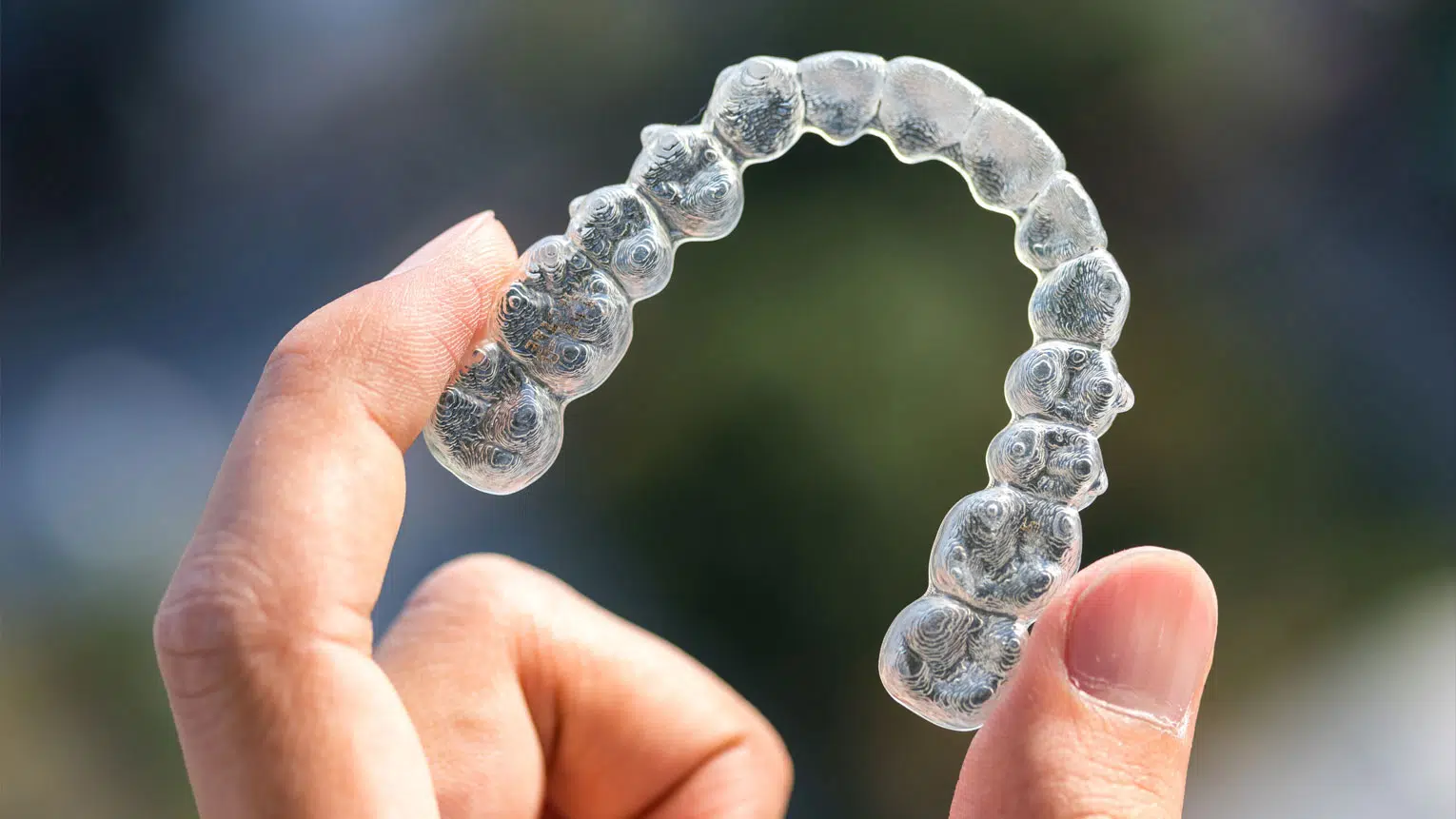
Invisalign uses a series of custom-made clear plastic aligners that apply gentle, continuous pressure to shift your teeth into the correct position. Each aligner stays on your teeth for about one to two weeks before you move to the next one in the sequence, with each new tray making small adjustments. The process starts with a 3D digital scan of your mouth, which your orthodontist uses to map out your entire treatment plan before you wear a single aligner. This upfront planning gives you a clear picture of what your teeth will look like when treatment finishes-a major advantage over traditional braces, where adjustments happen gradually during appointments. Most patients need between 20 and 30 aligners to complete treatment, though complex cases may require more. The aligners themselves are nearly invisible because they’re made from smooth, clear plastic material that sits flush against your teeth.
What makes Invisalign convenient for real life
You remove the aligners whenever you eat, drink anything except water, or brush your teeth, which means zero dietary restrictions apply. You can eat pizza, popcorn, nuts, or anything else without worrying about damaging brackets or wires. Cleaning your teeth works exactly as it did before treatment since there are no brackets or wires in the way-brushing and flossing remain straightforward. The aligners themselves need only a quick rinse under cool water and occasional cleaning with a soft toothbrush. However, this removability comes with a serious catch: you must wear your aligners between 20 and 22 hours every day for treatment to work. The American Association of Orthodontists confirms that noncompliance with this wear schedule significantly reduces effectiveness and can lengthen treatment time. Some patients find it inconvenient to remove aligners in public or worry about misplacing them, so you need to develop a reliable system for storing them safely.
Why aesthetics matter during treatment
The clear plastic design means most people won’t notice you’re straightening your teeth, which appeals strongly to working professionals and adults who feel self-conscious about visible braces. You can smile, speak, and attend important meetings without the metal-and-wire appearance that traditional braces create. This psychological benefit shouldn’t be underestimated because confidence during treatment often translates to better compliance with wearing your aligners consistently. Some cases do require small tooth-colored attachments bonded to your teeth to help the aligners grip and move teeth more effectively, but these are far less noticeable than metal brackets. If your case requires these attachments, your orthodontist will explain whether they’re necessary during your consultation.
How Invisalign differs from traditional braces
The key distinction lies in how each system moves your teeth and what demands it places on you. Invisalign relies on your commitment to wear the aligners as prescribed, while traditional braces work continuously whether you think about them or not. This fundamental difference shapes everything from your daily routine to your treatment timeline, which we’ll explore in detail as we compare both approaches side by side.
How Traditional Braces Really Work
Traditional braces operate on a fundamentally different principle than Invisalign: they apply constant, direct force to your teeth through fixed brackets bonded to each tooth and a metal wire threaded through them. Your orthodontist tightens this wire during appointments roughly every four to six weeks, gradually moving your teeth toward their target positions. The American Association of Orthodontists confirms that this continuous pressure allows braces to handle severe crowding, complex bite problems, and jaw alignment issues that Invisalign simply cannot address.
When braces become the stronger choice
If your teeth are severely rotated, overlapped, or your bite has significant problems, braces deliver results where clear aligners fail. Treatment typically takes between 18 and 24 months for standard cases, though complex corrections can extend to 30 months or longer. The fixed nature of braces means they work on their own timeline regardless of your compliance, which is actually an advantage if you struggle with discipline.
Dietary restrictions you must follow
The daily reality of wearing braces demands real adjustments to your habits and routines. You must avoid hard, sticky, or crunchy foods like popcorn, nuts, caramel, and chewing gum because they can break brackets or bend wires, forcing you into unplanned orthodontic appointments. This dietary limitation affects your social life and meal choices in ways that Invisalign does not impose.
Oral hygiene becomes more demanding
Brushing and flossing become significantly more complicated since you cannot remove the brackets and wires; you need special tools like interdental brushes and water flossers to clean around the hardware effectively. Food particles trap easily between brackets and wires, creating plaque buildup that can lead to permanent white spots or decay if you’re not meticulous about cleaning-this is not theoretical risk but a documented consequence supported by dental research. Your mouth may feel sore for the first few days after each adjustment and occasionally throughout treatment as your teeth move.
Managing discomfort and appearance
Some patients experience irritation where brackets rub against their lips or cheeks, requiring orthodontic wax to prevent sores. The visible appearance of metal brackets and wires bothers many adults, though ceramic braces and lingual braces offer less visible alternatives if aesthetics concern you during treatment. These maintenance demands are non-negotiable; they’re simply part of choosing the braces path, and understanding what lies ahead helps you make an informed decision about whether this approach aligns with your lifestyle and goals.
Comparing Timeline, Lifestyle, and Daily Demands
Invisalign typically finishes between 6 and 18 months for mild to moderate cases, while traditional braces commonly require 18 to 24 months according to the American Association of Orthodontists. This speed difference sounds dramatic until you factor in compliance. Invisalign’s timeline assumes you wear aligners 20 to 22 hours daily without fail; even a few hours of missed wear per week extends treatment significantly. Braces work continuously whether you think about them or not, making their timeline more predictable. For someone with moderate crowding who struggles with discipline, braces might actually finish faster because they don’t depend on your daily choices.
Managing Aligners Throughout Your Day
Invisalign demands constant vigilance about aligner management. You must remove them before eating or drinking anything except water, brush your teeth before reinserting them, and never lose track of the trays themselves. This routine becomes automatic for some people and exhausting for others. If you eat frequently throughout the day, travel often, or have an unpredictable schedule, removing and reinserting aligners multiple times daily creates real friction in your life. Braces eliminate this decision-making entirely but replace it with dietary restrictions that affect every meal.
Food and Dietary Limitations
You cannot eat popcorn at movies, nuts as snacks, caramel apples, or chewy candy when wearing braces. For someone who enjoys these foods or eats socially, this limitation frustrates more than the aligner removal routine. Invisalign imposes zero dietary restrictions because you remove the trays before eating anything. This freedom matters significantly if your lifestyle involves frequent social meals, snacking, or foods that could damage brackets and wires.
Discomfort Levels and Pain Management
Braces cause soreness for several days after each adjustment appointment, with some patients reporting mouth pain lasting a week. Invisalign typically causes minimal soreness because aligner changes happen gradually at home, though some people experience pressure sensations as teeth shift. Neither option is painless, but braces deliver sharper, more acute discomfort while Invisalign produces a dull pressure that most patients tolerate easily. Some patients experience irritation where brackets rub against lips or cheeks, requiring orthodontic wax to prevent sores.
Oral Hygiene Demands and Long-Term Consequences
With aligners, you simply brush and floss normally, then clean the trays with water. With braces, you need interdental brushes, water flossers, and careful maneuvering around brackets to prevent permanent white spots that develop from plaque buildup around fixed hardware. Poor hygiene with braces causes lasting damage, not just temporary staining. Your decision ultimately hinges on whether you prefer managing something removable daily or accepting fixed restrictions on what you eat and how much time you spend cleaning your teeth.
Which Teeth Straightening Option Is Right for You?
Invisalign and traditional braces both straighten teeth effectively, but they demand different things from you. Invisalign works best if you value discretion, enjoy dietary freedom, and can commit to wearing aligners 20 to 22 hours daily without fail, while braces work best if your teeth need complex corrections, you struggle with compliance, or you prefer a system that works continuously without relying on your daily choices. Neither option is universally superior because your ideal choice depends entirely on your specific situation.
Assess your lifestyle and priorities honestly before making your decision. Do you attend frequent social events where visible braces would bother you, or does appearance matter less than treatment speed? Can you manage removing aligners before every meal and reinserting them after brushing, or would you rather accept dietary restrictions instead? Your orthodontist’s assessment matters more than your preferences alone because some cases simply cannot be treated with Invisalign when the tooth movements required exceed what clear aligners can accomplish.
We at Smile On Dental Salon & Sleep Apnea Center help you understand what each treatment demands and what results you can realistically expect. Our team works with you to match your goals with the right approach, whether that’s Invisalign or braces (or another option entirely). Schedule a consultation with us to discuss your teeth and receive personalized recommendations based on your unique needs by visiting Smile On Dental Salon & Sleep Apnea Center.
Meet the Author

Dr. Paul Poncza
Dr. Poncza provides sleep and cosmetic dentistry with a focus on better rest, improved health, and confident smiles.
Meet Dr. PonczaRelated Posts
Invisalign vs Braces: Which Orthodontic Option Is Right for You?
Learn how Invisalign works with clear aligners to straighten teeth step-by-step. Transform your smile with this modern orthodontic solution.

Invisalign vs Braces: Which Orthodontic Option Is Right for You?
Explore Invisalign for adults and discover the benefits, effectiveness, and suitability of this popular teeth-straightening option.

Invisalign vs Braces: Which Orthodontic Option Is Right for You?
Compare Invisalign vs braces for teens and adults. Explore costs, comfort, treatment times, and outcomes to make an informed orthodontic decision.
