
Invisalign vs Braces: Which is a Better Choice for You?





At Smile On Dental Salon & Sleep Apnea Center, we often hear patients ask about the differences between Invisalign and braces. Both options can effectively straighten teeth, but they have distinct characteristics that may make one more suitable for you.
In this post, we’ll compare Invisalign vs braces, exploring their benefits, drawbacks, and key factors to consider when making your decision. Our goal is to provide you with the information you need to choose the best orthodontic treatment for your unique situation.
How Invisalign Works: A Modern Approach to Orthodontics
The Invisalign Process
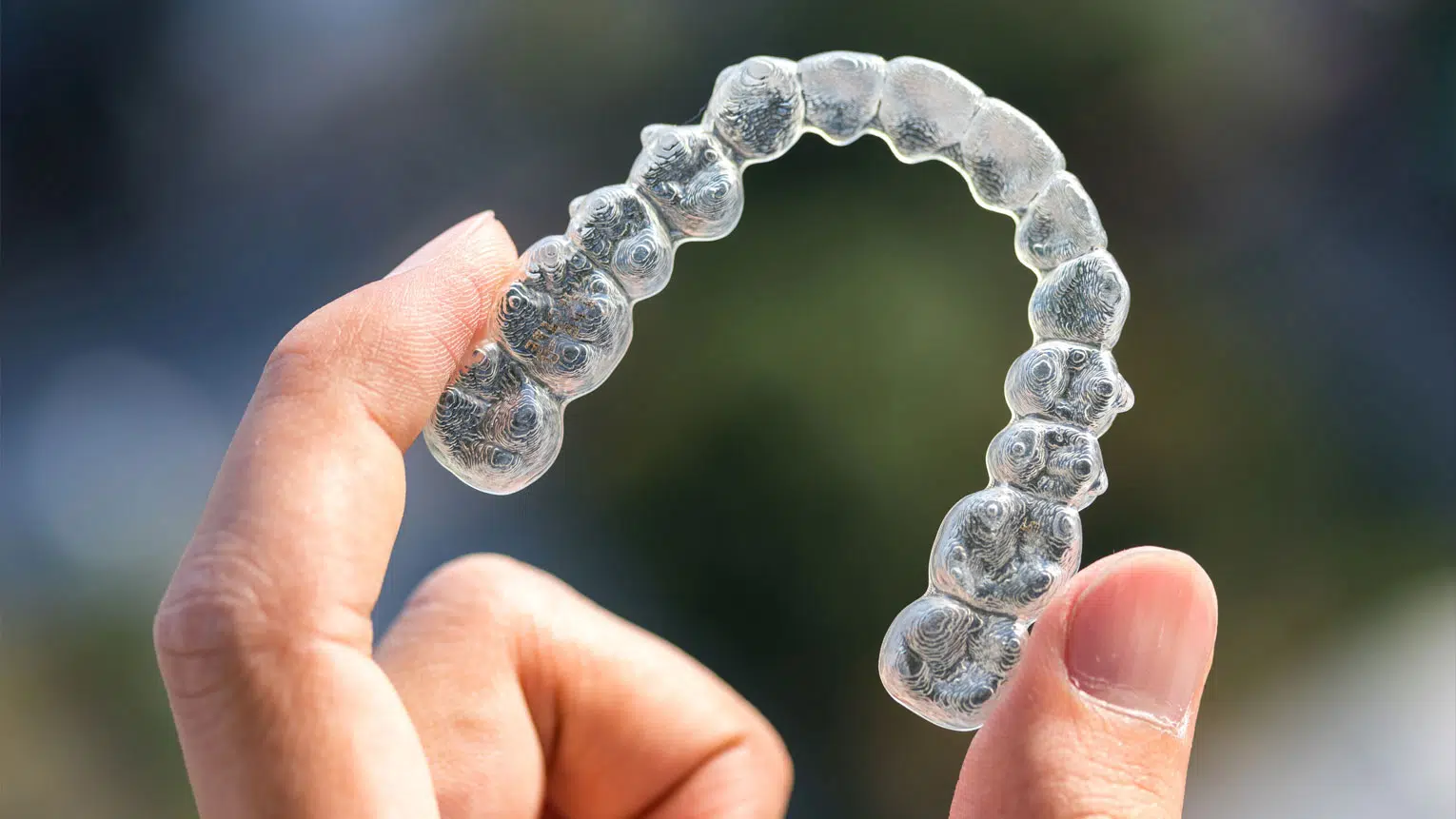
Invisalign revolutionizes orthodontic treatment with clear, removable aligners that straighten teeth. The process starts with a 3D scan of your mouth, which creates a precise digital impression. This scan allows for accurate planning of tooth movements, enabling the orthodontist to plan each step of the treatment with a high degree of accuracy. Based on this plan, a series of custom-made aligners are created. Patients wear each set for about two weeks before progressing to the next in the series.
These aligners apply gentle, constant pressure to shift teeth into their desired positions. A study published in 2024 found that the average treatment time for Invisalign was 18 months, compared to 24 months for conventional braces.
Comfort and Convenience
Invisalign offers superior comfort compared to traditional braces. A 2017 study found that patients treated with aligners reported less discomfort and consumed fewer analgesics than those treated with traditional fixed appliances.
Patients wear aligners for 20-22 hours daily, removing them only for eating, drinking (except water), brushing, and flossing. This removability transforms the orthodontic experience, allowing for easier oral hygiene maintenance and eliminating dietary restrictions.
Potential Challenges
While Invisalign presents numerous advantages, it’s not without its challenges. Treatment success heavily depends on patient commitment to wearing the aligners as prescribed. Frequent removal or forgetfulness can significantly slow progress.
Some patients find it inconvenient to remove and replace aligners in public settings (especially when dining out). Additionally, Invisalign may not suit all orthodontic issues, particularly severe cases of misalignment or bite problems.
Attachments and Visibility
Invisalign doesn’t use wires or brackets. However, it often requires attachments – small, tooth-colored shapes bonded to teeth to help aligners grip and move teeth more effectively. While these are less noticeable than traditional braces, they’re not completely invisible.
The next chapter will explore the benefits and potential drawbacks of Invisalign treatment in more detail, providing a comprehensive understanding of this innovative orthodontic option.
Traditional Braces: A Time-Tested Solution for Orthodontic Treatment
Metal Braces: The Classic Choice
Metal braces remain the most common type of orthodontic treatment. Made from high-grade stainless steel, these braces are smaller and more comfortable than ever before. They prove highly effective for treating complex orthodontic issues. A recent study evaluated the long-term success of orthopedic treatment in growing skeletal Class III malocclusions.
Ceramic Braces: A Less Visible Alternative
For those concerned about aesthetics, ceramic braces offer a more discreet option. They function similarly to metal braces but use clear or tooth-colored brackets, which makes them less noticeable. However, ceramic braces are slightly larger and more brittle than their metal counterparts.
Self-Ligating Braces: Reduced Friction for Faster Results
Self-ligating braces use a specialized clip instead of elastics to hold the wire in place. This design reduces friction and potentially speeds up treatment. A recent study emphasized that reduced friction associated with self-ligating braces can contribute to more effective alignment and leveling phases.
Advantages of Choosing Braces
Braces excel in treating complex orthodontic issues. They prove particularly effective for severe overcrowding, significant bite problems, and rotated teeth. Unlike Invisalign (which relies heavily on patient compliance), braces work continuously, ensuring consistent progress.
Cost is another factor to consider. While prices vary, traditional braces often cost less than Invisalign. According to the American Association of Orthodontists, treatment costs are influenced by factors such as the type, complexity, and duration of the orthodontic treatment.
Challenges to Consider
Despite their effectiveness, braces present some challenges. Oral hygiene becomes more difficult, requiring special tools and extra time for proper cleaning. A study in the Journal of Orthodontics found that patients with fixed appliances had a higher risk of developing white spot lesions, emphasizing the importance of meticulous oral care.
Dietary restrictions are another consideration. Hard, sticky, or chewy foods can damage braces, potentially prolonging treatment. Patients may also experience some discomfort, especially after adjustments.
Lastly, while modern braces are more comfortable than their predecessors, they remain more noticeable than clear aligners. This visibility can concern some patients, particularly adults in professional settings.
As we compare the benefits and challenges of traditional braces, it’s important to weigh these factors against those of Invisalign. In the next section, we’ll directly compare these two orthodontic options to help you make an informed decision about which treatment might work best for your unique needs.
How Do Invisalign and Braces Compare?
Treatment Duration and Effectiveness
Braces patients finished 4.8 months earlier than Invisalign patients according to a recent study. However, effectiveness varies based on case complexity.
Braces prove more effective for severe malocclusions or significant bite issues. They allow precise adjustments and handle complex tooth movements that Invisalign might find challenging. Invisalign excels in treating mild to moderate cases, particularly those involving spacing or minor crowding.
Comfort and Aesthetics
Invisalign offers near-invisible treatment, making them popular among adults and teens concerned about appearance during treatment. They provide more comfort than braces, without protruding wires or brackets that can irritate the mouth.
Some patients report a slight lisp when first wearing Invisalign aligners (this usually subsides as they adjust). Braces, while more visible, have improved in aesthetics. Ceramic braces and lingual braces (placed behind the teeth) provide more discreet options for those who prefer fixed appliances.
Cost Considerations
Orthodontic treatment costs vary widely depending on case complexity and geographical location. The cost of Invisalign treatment is comparable to the cost of braces, with braces potentially costing up to $7,500. Insurance may help cover up to $3,000 in orthodontic treatment.
Many dental insurance plans cover orthodontic treatment, potentially reducing out-of-pocket costs for patients. It’s advisable to check with your insurance provider about coverage details for both Invisalign and braces.
Maintenance and Care Requirements
Invisalign simplifies oral hygiene compared to braces. Patients remove aligners for brushing and flossing, allowing thorough cleaning of teeth and gums. This can lead to better overall oral health during treatment.
Braces demand more diligent cleaning, as food particles easily get trapped in brackets and wires. Patients with braces often need special tools like interdental brushes and water flossers to ensure proper cleaning.
Dietary Considerations
Invisalign has a clear advantage in terms of dietary restrictions. Patients remove aligners for eating, eliminating food limitations. Braces come with a list of foods to avoid, including hard candies, popcorn, and sticky treats that could damage the appliances.
Final Thoughts
Invisalign and braces both offer unique advantages in orthodontic treatment. Invisalign provides a discreet solution with removable aligners, appealing to those concerned about appearance during treatment. Traditional braces excel in treating complex cases and ensure consistent progress without relying on patient adherence.
Your choice between Invisalign vs braces should consider factors such as treatment effectiveness, comfort, and lifestyle preferences. The complexity of your orthodontic issues and personal preferences will guide your decision. Your unique situation will determine the best option for achieving a healthy, beautiful smile.
We at Smile On Dental Salon & Sleep Apnea Center offer personalized orthodontic consultations to help you make an informed decision. Our experienced team utilizes advanced technology to assess your needs and recommend the most suitable treatment option (either Invisalign or braces). Contact us today to start your journey towards a confident smile.
Meet the Author

Dr. Nicole Kujawa
Dr. Kujawa provides cosmetic and general dentistry with a gentle touch and a passion for helping patients feel confident in their smiles.
Meet Dr. KujawaRelated Posts

Invisalign vs Braces: Which is a Better Choice for You?
Compare Invisalign and braces to find your perfect orthodontic solution. Learn which option fits your lifestyle and goals.
Invisalign vs Braces: Which is a Better Choice for You?
Learn how Invisalign works with clear aligners to straighten teeth step-by-step. Transform your smile with this modern orthodontic solution.

Invisalign vs Braces: Which is a Better Choice for You?
Explore Invisalign for adults and discover the benefits, effectiveness, and suitability of this popular teeth-straightening option.
