
Invisalign Not Fitting One Tooth? What to Check Before Changing Trays
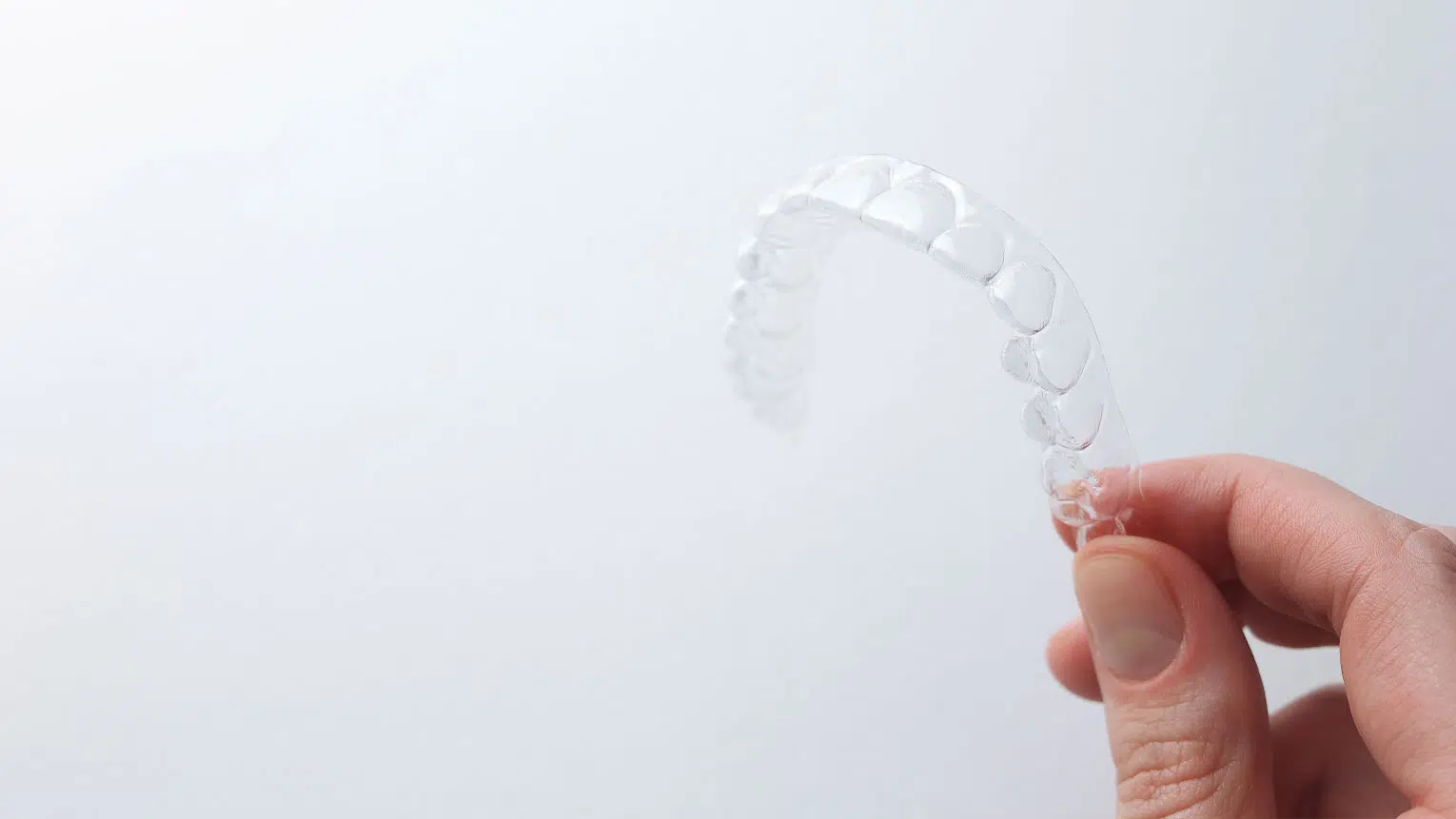




If an Invisalign tray will not seat on one tooth, contact the treating office before advancing to the next set or forcing it into place. Check that you have the intended tray, describe what is different, and follow the team’s instructions. A visible gap alone cannot tell you whether the issue is seating, an attachment, damage, or tooth movement that needs reassessment.
What does “not tracking” mean?
Patients often use the phrase when a tray does not appear to match a tooth’s position as expected. It is a description of a concern, not a diagnosis you can confirm from a mirror or an online photograph. The treating dentist may need to inspect the aligner, attachments, teeth, and treatment sequence.
The FDA’s clear-aligner information emphasizes professional supervision. A remote guess about a gap should not replace an examination when your provider recommends one.
Check these details before you call
- Confirm the tray number and whether it is the intended upper or lower aligner.
- Note when you started that set and whether the previous one seated differently.
- Look for visible damage or a missing attachment without bending or altering the tray.
- Describe exactly where the gap is and whether there is pain or gum irritation.
- Be ready to discuss your actual wear pattern and any recent dental work.
Give the office accurate details even if you have had difficulty following the schedule. The aim is to make the next instruction safe and useful, not to assign blame.
What should you avoid doing yourself?
Do not heat, trim, glue, or reshape the aligner. Do not skip ahead, double up devices, or change an attachment yourself. If you have been given a seating aid or other accessory, use it only as directed; do not turn an online tip into a more forceful routine.
Ask which tray to use while waiting for advice. Whether to stay in the current set, use a previous one, or attend a visit depends on the problem. There is no universal answer that fits every treatment stage.
Could an attachment be involved?
Attachments give aligners surfaces to engage, so a missing or damaged one is worth reporting. Invisalign’s attachment guidance advises contacting the treating provider when one detaches. Keep any recovered piece if the office asks, but do not attempt to rebond it.
Persistent pain, tissue injury, swelling, or a tray that cannot be used comfortably deserves prompt contact. Describe urgent symptoms clearly rather than waiting silently for the next scheduled check.
Use the fit issue to review the plan
Ask what the clinician found, whether the change schedule remains appropriate, and how to recognize a recurrence. Smile On’s Invisalign service page explains the broader treatment pathway. For a problem with an existing set, contact the office managing it and bring the trays and any accessories requested.
Sources
Meet the Author

Dr. Nicole Kujawa
Dr. Kujawa provides cosmetic and general dentistry with a gentle touch and a passion for helping patients feel confident in their smiles.
Meet Dr. KujawaRelated Posts

Invisalign Attachments: What the Small Bumps on Your Teeth Do
Learn why Invisalign attachments are used, how they affect daily care, and what to do if one feels rough or comes off.

Invisalign vs Braces: Which Orthodontic Option Is Right for You?
Compare Invisalign and braces to find your perfect orthodontic solution. Learn which option fits your lifestyle and goals.
How Does Invisalign Work? A Step-by-Step Guide
Learn how Invisalign works with clear aligners to straighten teeth step-by-step. Transform your smile with this modern orthodontic solution.
