
How to Stop Grinding Your Teeth





Teeth grinding affects 8-31% of adults worldwide, causing jaw pain, headaches, and damaged teeth. Most people grind their teeth during sleep without realizing it.
We at Smile On Dental Salon & Sleep Apnea Center see patients daily who struggle with this painful condition. Learning how to stop grinding teeth requires understanding the root causes and applying targeted solutions.
What Causes Teeth Grinding
Common Signs Point to Hidden Damage
Bruxism shows distinct warning signs that most people ignore until damage occurs. Your jaw muscles feel tight or sore when you wake up, and your teeth appear flattened or worn down at the edges. Sleep partners often report loud sounds during the night, while you experience frequent headaches (especially in the temple area). More than 70% of dentists surveyed report a rise of patients with teeth grinding and clenching. Your face may feel tired or painful, and you might notice increased tooth sensitivity to hot or cold temperatures.
Stress Triggers Most Episodes
Stress and anxiety trigger most daytime bruxism cases according to dental research. Your body responds to work pressure, financial worries, or relationship problems when it clamps jaw muscles tight. This response happens automatically during high-stress situations like traffic jams or difficult conversations. Caffeine consumption and tobacco use can increase episodes, while alcohol consumption also contributes to grinding frequency.
Sleep Apnea Creates Dangerous Cycles
Sleep disorders create a dangerous cycle where breath interruptions trigger episodes. Sleep apnea patients show high bruxism prevalence because oxygen drops cause jaw muscles to activate. Your brain attempts to reopen airways when it moves jaw muscles, which leads to teeth contact. Sleep apnea treatment can significantly reduce grinding episodes within months. Restless leg syndrome and other movement disorders also increase nighttime frequency significantly.
Now that you understand what causes teeth to grind together, you can take immediate action to stop this destructive habit before it damages your smile further.
How Can You Stop Teeth Grinding Tonight
Target Your Stress Response System
Stress reduction works faster than any other method to stop teeth grinding episodes. Progressive muscle relaxation reduces jaw tension within 10 minutes when you tense each muscle group for five seconds, then release completely. The American Psychological Association reports that mindfulness meditation is especially effective for reducing stress among healthy people. Deep breathing exercises activate your parasympathetic nervous system and stop the fight-or-flight response that triggers clenching. Practice the 4-7-8 technique before bed: inhale for four counts, hold for seven, exhale for eight. Yoga reduces grinding frequency according to research from the Journal of Oral Rehabilitation. Cognitive behavioral therapy addresses the root psychological triggers and shows lasting results within three months.
Transform Your Sleep Environment
Sleep hygiene changes can eliminate grinding episodes within two weeks of consistent practice. Set your bedroom temperature to 65-68°F because warm rooms increase muscle activity during sleep. Remove all screens one hour before bedtime since blue light disrupts melatonin production and increases jaw muscle tension. The National Sleep Foundation confirms that consistent sleep schedules can help decrease grinding episodes, though there is no treatment that can completely eliminate teeth grinding during sleep. Avoid caffeine after 2 PM and alcohol within three hours of bedtime (both substances increase grinding frequency during REM sleep). White noise machines mask grinding sounds and improve sleep quality for both you and your partner.
Choose the Right Mouth Protection
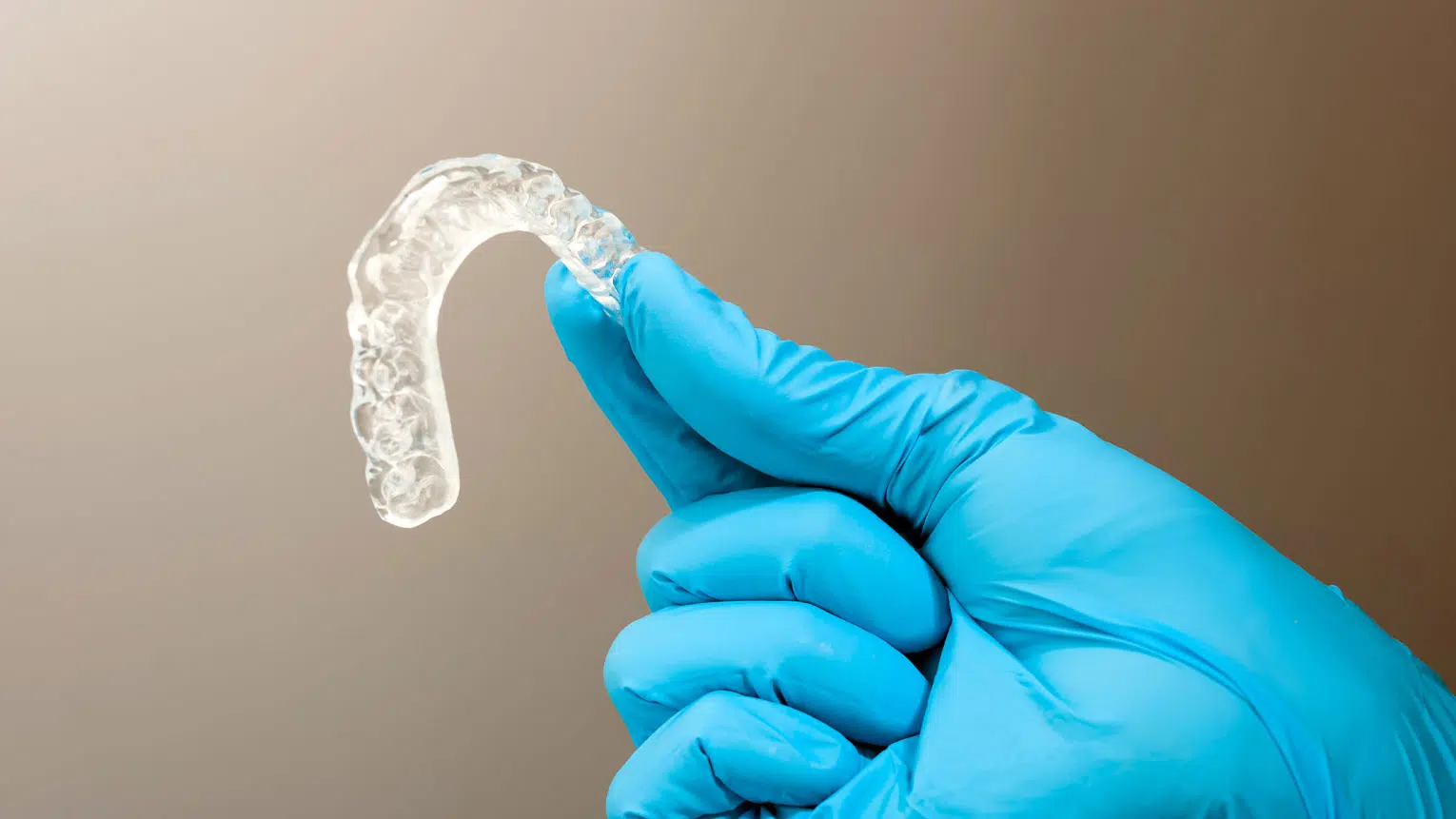
Custom night guards from a dentist and over-the-counter options both protect against grinding, though they differ in cost and effectiveness. Soft guards work best for mild grinding, while hard acrylic guards handle severe cases effectively. The American Dental Association states that properly fitted guards reduce jaw muscle activity during sleep. Replace soft guards every six months and hard guards annually to maintain effectiveness. Boil-and-bite guards from pharmacies cost $20-40 but often cause jaw soreness because they lack proper fit. Professional guards cost $300-800 but last longer and provide superior comfort and protection.
When these immediate solutions don’t provide complete relief, professional treatment options can address the underlying causes and provide more comprehensive solutions for severe cases.
What Professional Treatments Work for Severe Cases
Advanced Dental Appliances Stop Severe Cases
Professional dental appliances offer superior protection compared to over-the-counter options when severe cases damage teeth significantly. Custom-made oral devices from dentists use precise impressions to create perfect fits that distribute bite forces evenly across all teeth. Hard acrylic splints work best for heavy grinders because they withstand intense pressure without cracking or wearing down quickly. Customised devices show efficacy for detecting contact-related sleep bruxism in adult patients. Anterior devices target specific muscle groups and cost $800-1,200 but provide targeted relief for TMJ pain. Dual-arch stabilization splints protect both upper and lower teeth simultaneously and prove most effective for patients who grind during multiple sleep stages.
BOTOX Injections Relax Overactive Jaw Muscles
BOTOX treatments target the masseter and temporalis muscles that cause episodes and provide relief for 3-6 months per injection session. Clinical results have been published in the International Journal of Oral Maxillofacial Surgery concerning treatment outcomes. Each treatment session requires 25-50 units per side and costs $400-800 (depending on muscle size and severity). Patients experience reduced jaw tension within 48-72 hours, with peak effectiveness at two weeks post-treatment. Side effects remain minimal when trained professionals administer them, though temporary weakness in chewing muscles can occur for 2-3 weeks. Smile On Dental Salon & Sleep Apnea Center provides BOTOX treatments for TMJ relief as part of comprehensive management.
Sleep Apnea Treatment Eliminates Root Causes
Research shows that causal relationships between sleep apnea and bruxism remain unclear, though associations have been suggested. Oral appliance therapy moves the lower jaw forward during sleep, opens airways and reduces oxygen drops that trigger episodes. CPAP therapy eliminates episodes in many severe sleep apnea patients within six months of consistent use. Sleep studies reveal that frequency drops significantly when apnea events decrease below five per hour through effective treatment.
Final Thoughts
You can stop teeth grinding through a comprehensive approach that combines immediate relief with long-term prevention strategies. Consistent stress management practices, proper sleep hygiene, and regular dental checkups form the foundation of successful treatment. Most patients see significant improvement within three months when they combine multiple approaches rather than rely on single solutions.
Professional intervention becomes necessary when home remedies fail to provide adequate relief or when dental damage progresses despite protective measures. Schedule an appointment if you experience persistent jaw pain, notice visible tooth wear, or develop frequent headaches that interfere with daily activities. Sleep partners who report loud grinding sounds also indicate the need for professional evaluation (especially during REM sleep cycles).
We at Smile On Dental Salon & Sleep Apnea Center help patients find effective solutions for how to stop grinding teeth through personalized treatment plans. Our team addresses both symptoms and underlying causes to help patients achieve lasting relief from this painful condition. Contact us today to explore your treatment options and protect your smile from further damage.
Meet the Author

Dr. Paul Poncza
Dr. Poncza provides sleep and cosmetic dentistry with a focus on better rest, improved health, and confident smiles.
Meet Dr. PonczaRelated Posts

How to Stop Grinding Your Teeth
Stop jaw clenching and tooth pain from bruxism with proven relief strategies and treatment options explained
How to Stop Grinding Your Teeth
Find the best dental guard for bruxism with our expert guide to materials, fit, and protection against teeth grinding damage.
How to Stop Grinding Your Teeth
Discover the benefits of a bruxism mouth guard, how to choose one, and practical tips for full protection against teeth grinding and jaw pain.
