
How to Choose the Best Dental Guard for Bruxism
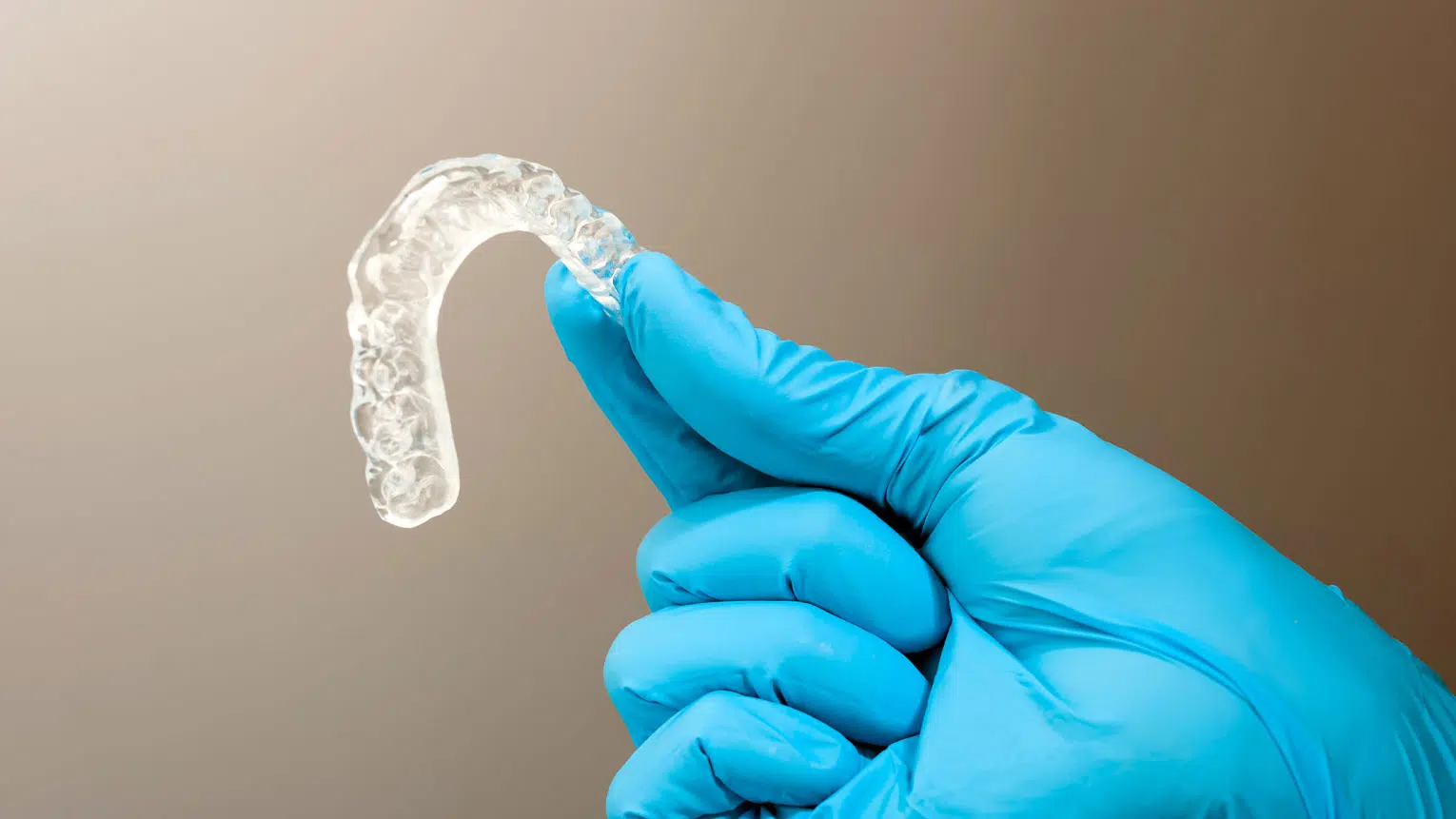




Teeth grinding affects roughly 10% of adults, and the damage adds up fast without protection. At Smile On Dental Salon & Sleep Apnea Center, we see patients every week who wish they’d started wearing a guard sooner.
Finding the best dental guard for bruxism means understanding your options and what actually works for your situation. This guide walks you through everything you need to know.
What Is Bruxism and Why It Damages Your Teeth
Understanding Bruxism and Its Prevalence
Bruxism is involuntary teeth grinding or clenching that typically happens at night while you sleep. According to research, the global sleep bruxism prevalence is 21%, meaning a significant portion of adults grind their teeth regularly, and the damage accumulates quickly without protection. The condition wears away enamel, the hardest substance in your body, and once that protective layer disappears, your teeth become vulnerable to decay, sensitivity, and structural failure. Many people don’t realize they grind until a dentist spots the telltale signs during a routine exam: flattened or worn tooth surfaces, jaw muscle tenderness, and visible cracks in the enamel.
Recognizing the Warning Signs
If you wake with jaw soreness, morning headaches, or ear pain, those are strong indicators that bruxism affects you. Some people also disturb their sleeping partner with the grinding noise, which serves as an obvious red flag that treatment is necessary. Your dentist can track changes over several visits to see if wear is worsening and whether treatment is needed. These symptoms point to a condition that demands attention before serious damage occurs.
The Real Cost of Ignoring Bruxism
The consequences of ignoring bruxism extend far beyond cosmetic damage. Severe grinding leads to tooth sensitivity and damage to the underlying bone and soft tissues in your mouth. Mayo Clinic research shows that untreated bruxism often requires extensive restorative work like crowns or reshaping of chewing surfaces, which costs significantly more than prevention. Headaches and jaw pain from grinding interfere with daily life and sleep quality, creating a cycle where poor sleep worsens stress, which in turn increases grinding.
How Dental Guards Protect Your Teeth
A dental guard stops this progression by creating a physical barrier between your upper and lower teeth, preventing wear and protecting your existing dental work. The guard absorbs the force of grinding instead of your teeth absorbing it, which means your enamel stays intact and your jaw experiences less strain. This protective approach works because it addresses the problem directly at the source-where your teeth meet during sleep. Starting guard therapy as soon as bruxism is detected makes sense because prevention is always cheaper and easier than repair.
Now that you understand what bruxism does to your teeth, the next step is learning which type of dental guard actually works best for your specific situation.
Types of Dental Guards Available
Custom-Fitted Guards Deliver Superior Protection
Custom-fitted guards from a dentist remain the gold standard for bruxism protection, and the data backs this up. When you visit a dentist, they take a professional impression of your teeth using putty or digital scanning, which gets sent to a lab for precise fabrication. This process typically takes five to ten business days, but the result is a guard molded exactly to your bite pattern. Custom guards last several years with proper care, whereas over-the-counter options often need replacement every few months-a durability advantage that justifies the higher upfront cost. Your dentist adjusts the fit at follow-up visits, which means comfort that actually keeps you wearing it every night. The precision fit protects your teeth far more effectively than generic alternatives.
Over-the-Counter Guards: Budget Options with Real Limitations
Over-the-counter guards come in two varieties: one-size-fits-all stock guards and boil-and-bite options. Stock guards cost around $20 to $50 but fit poorly for most people, making them nearly useless for heavy grinding. Boil-and-bite guards ($30 to $100) perform better because you soften them in hot water and mold them to your teeth, yet they still lack the precision of a custom-fitted guard. A British Dental Journal study found that online impression-based guards can result in unintended occlusal changes-real concerns with mail-in options. These cheaper alternatives appeal to your wallet but fail to protect your teeth adequately.
Guard Thickness and Material Matter
Guard thickness significantly affects protection levels. For light grinding, 1 mm to 1.5 mm is usually enough, while heavier grinding requires 2 mm to 3 mm for better protection. The material composition (hard acrylic, soft EVA, or hybrid combinations) determines both durability and comfort. Heavy grinders who choose a cheap over-the-counter guard won’t protect their investment in their teeth. The custom approach costs $150 to $250 initially but prevents thousands in restorative work, making it the clear winner for anyone with moderate to severe bruxism.
Why Professional Evaluation Matters
Your dentist assesses your grinding severity, bite pattern, and any existing dental work to recommend the right guard type and thickness. This evaluation prevents costly mistakes like purchasing a guard that doesn’t fit your specific needs. The professional assessment also identifies whether underlying sleep disorders or other conditions contribute to your bruxism, which changes your treatment approach entirely. Understanding your options means knowing which guard actually works for your situation-not just which one costs the least.
Now that you understand the differences between guard types, the next step is learning how to select the right option based on your specific bruxism severity, budget, and comfort needs.
How to Select the Right Dental Guard for Your Needs
Assess Your Grinding Severity First
Your dentist’s severity assessment matters most because they examine your teeth, take impressions, and identify whether underlying sleep apnea or other conditions fuel your grinding. Mild bruxism, which affects 5% to 8% of the general population, responds well to soft EVA guards around 1 to 1.5 mm thick because the reduced material absorbs light forces without feeling bulky. Moderate to heavy grinding demands a different approach entirely. If you wake with jaw pain multiple times weekly or your dentist has documented significant enamel wear over the past year, you need a hard acrylic or hybrid guard at 2 to 3 mm thickness. Severe bruxism causes damage to bone and soft tissue, meaning guard thickness directly correlates with long-term outcomes.
Budget and Insurance Coverage Shape Your Options
Insurance coverage varies dramatically across plans, so contact your provider before selecting any guard type. Some dental plans cover 50% of custom guard costs, while others cover nothing, which means a $200 custom guard might cost you $100 or nothing depending on your specific policy. Custom guards cost $150 to $250 from a dentist but protect your teeth far better than a $50 boil-and-bite option. If budget is tight, ask your dentist about payment plans or whether your HSA funds can cover the purchase. A professional evaluation costs far less than replacing damaged teeth later.
Prioritize Comfort to Ensure Nightly Wear
The comfort factor cannot be overstated because a guard sitting in your nightstand does nothing for your teeth. A custom-fitted guard from a dentist lets you try it at home for several weeks before your follow-up appointment, and your dentist adjusts the fit if it feels wrong. This adjustment process ensures you actually wear it every night instead of abandoning it after a week. Your bite pattern is unique, and a guard that doesn’t match it creates new problems instead of solving existing ones.
Evaluate Online Impression Guards Carefully
For online impression-based guards, research whether the company offers a fit guarantee or return policy. These guards carry real risks of misalignment and occlusal changes. If your dentist recommends a custom guard and cost is your primary concern, ask specifically about their in-office fabrication options or whether they work with labs that offer faster turnaround times at lower prices. Some dentists complete custom guards within five business days rather than the typical seven to ten, which can reduce lab fees slightly.
Make Your Final Decision Based on Protection Needs
The decision between custom and over-the-counter comes down to this: custom guards cost more upfront but prevent thousands in future restorative work, while budget guards cost less initially but often fail to protect your enamel adequately. Heavy grinders who choose a cheap over-the-counter guard won’t protect their investment in their teeth. You face crowns, root canals, or extractions down the road if you select inadequate protection now.
Final Thoughts
Choosing the best dental guard for bruxism comes down to three core factors: your grinding severity, your budget, and your commitment to nightly wear. A custom-fitted guard from a dentist protects your teeth far better than an over-the-counter option, but only if you commit to consistent use. The upfront cost of $150 to $250 prevents thousands in future crowns, root canals, and tooth replacements that untreated bruxism demands.
Your dentist evaluates your specific grinding pattern, identifies any underlying sleep disorders, and recommends the exact thickness and material your teeth need. This professional assessment eliminates guesswork and ensures you invest in protection that actually works. At Smile On Dental Salon & Sleep Apnea Center, we specialize in treating bruxism and sleep-related conditions that fuel teeth grinding, and we also screen for obstructive sleep apnea, which often contributes to grinding.
Consistent nightly wear reduces jaw pain, morning headaches, and the sleep disruption that grinding causes. Your existing dental work stays protected, which means crowns and implants last longer. Contact Smile On Dental Salon & Sleep Apnea Center to schedule your evaluation and start with protection that works.
Meet the Author

Dr. Paul Poncza
Dr. Poncza provides sleep and cosmetic dentistry with a focus on better rest, improved health, and confident smiles.
Meet Dr. PonczaRelated Posts

How to Choose the Best Dental Guard for Bruxism
Stop jaw clenching and tooth pain from bruxism with proven relief strategies and treatment options explained

How to Choose the Best Dental Guard for Bruxism
Learn how to stop grinding teeth with proven tips and tools. Protect your smile, reduce pain, and improve sleep quality effectively today.
How to Choose the Best Dental Guard for Bruxism
Discover the benefits of a bruxism mouth guard, how to choose one, and practical tips for full protection against teeth grinding and jaw pain.
