
How Does Invisalign Work? A Step-by-Step Guide
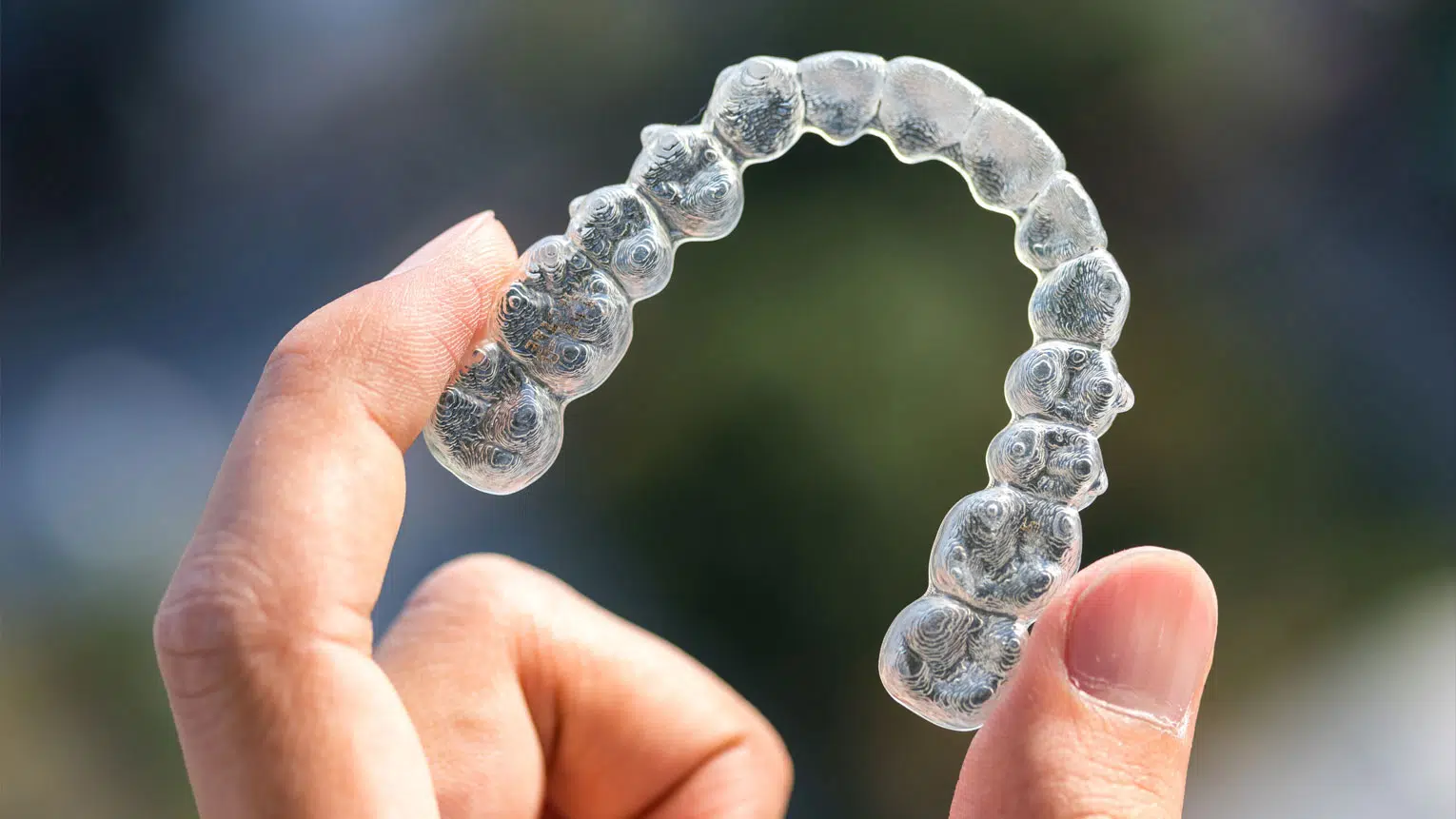




Invisalign has transformed orthodontic treatment by using clear, removable aligners instead of metal brackets and wires. Over 14 million people worldwide have chosen this nearly invisible solution for straightening their teeth.
Understanding how does Invisalign work helps patients make informed decisions about their orthodontic care. We at Smile On Dental Salon & Sleep Apnea Center guide patients through each step of this innovative treatment process.
What Makes Invisalign Different from Traditional Braces
Invisalign uses SmartTrack material to create custom aligners that apply precise pressure to move teeth gradually. This thermoplastic material delivers 75% more predictable tooth movement compared to other clear aligner materials according to Align Technology research. Each aligner moves teeth approximately 0.25mm before patients switch to the next tray every one to two weeks. Traditional metal braces use brackets and wires that remain fixed throughout treatment and require monthly adjustments from orthodontists who tighten or replace components.
Revolutionary Removable Treatment System
The removable design sets Invisalign apart from fixed braces completely. Patients remove aligners for meals, beverages (except water), and oral hygiene routines. This flexibility prevents food restrictions that come with traditional braces, where sticky foods like caramel or hard foods like nuts can damage brackets. Studies show Invisalign patients maintain better oral hygiene during treatment because they can brush and floss normally without navigation around metal components.
Faster Treatment Times with Modern Technology
Invisalign treatment averages 18 months compared to traditional braces that typically require 24 months. The iTero Element scanner creates precise 3D models that reduce treatment planning time and improve accuracy. Patients scanned with iTero technology experience seven times fewer fit problems than conventional impression methods. Treatment efficiency comes from the ability to plan the entire tooth movement sequence upfront with ClinCheck software, while traditional braces require ongoing adjustments throughout the process.
Advanced Material Science Benefits
SmartTrack material provides superior comfort compared to metal brackets that often cause mouth irritation. The smooth plastic surface eliminates sharp edges that traditional braces create. This material also maintains its shape better during temperature changes (hot and cold foods) and resists stains when patients follow proper care protocols. The precision-fit design reduces speech interference that some patients experience with metal braces during the initial adjustment period.
The treatment process itself begins with a comprehensive consultation where digital technology maps your unique smile transformation plan.
How Does the Invisalign Treatment Process Work
The Invisalign treatment process starts with a comprehensive consultation where your dentist captures precise digital impressions with the iTero Element scanner. This advanced 3D technology creates detailed digital maps of your teeth with speed, reliability, and outstanding visualization capabilities. The scanner eliminates messy impression materials and allows you to see your potential results immediately through ClinCheck software visualization. During this appointment, your dentist takes X-rays, photographs, and evaluates your bite to determine if Invisalign can address your specific orthodontic needs.
Digital Scan Analysis and Treatment Planning
Your dentist analyzes the digital scan data to create a personalized treatment plan that maps every tooth movement from start to finish. ClinCheck software shows the exact position your teeth will occupy at each stage of treatment, with movements calculated precisely for virtual planning of aligner therapy. The software identifies which teeth need attachments (small tooth-colored bumps) to help aligners grip better during complex movements. Your treatment plan also determines the total number of aligners needed, typically ranging from 12 to 48 trays depending on case complexity.
Custom Aligner Production and Initial Fitting
Your digital scan travels to Align Technology laboratories where technicians create your custom aligners with SmartTrack material through a proprietary process. Each set of aligners applies specific forces to move targeted teeth precisely before you advance to the next tray. The laboratory produces your complete series of aligners within 2-3 weeks, with each aligner trimmed to your exact gum line for optimal comfort. Your first appointment involves checking aligner fit, placing attachments if needed, and receiving detailed instructions for the 20-22 hour daily wear requirement.
Progress Monitoring and Aligner Transitions
Regular check-ups every 6-8 weeks allow your dentist to monitor tooth movement progress and distribute new aligner sets. The My Invisalign app tracks your wear time and sends reminders to help patients stay on track with their treatment schedule. Most patients change aligners every 1-2 weeks based on their individual treatment plan, with refinement aligners often needed after the initial series to perfect final positioning. Your dentist may perform interproximal reduction during treatment to create space for optimal alignment results.
The success of your Invisalign treatment depends heavily on how well you adapt to daily life with your aligners and follow proper care protocols.
What Should You Expect During Daily Invisalign Wear
Successful Invisalign treatment requires you to wear aligners 20-22 hours daily, which leaves only 2-4 hours for meals, drinks, and oral hygiene. Patients who wear aligners less than 20 hours daily experience delayed treatment progress and may need additional refinement trays. You can track your wear time with the My Invisalign app, which sends notifications when you remove aligners too long. Change aligners every 1-2 weeks as prescribed, typically switch to new trays before bedtime to minimize initial discomfort during sleep.
Food and Beverage Management
You must remove aligners completely before you eat or drink anything except water. Coffee, tea, and wine stain aligners within 30 minutes of contact, which makes them visible and defeats the purpose of clear treatment. Hot beverages can warp the thermoplastic material and compromise aligner fit. Rinse your mouth with water after meals before you reinsert aligners to prevent bacteria buildup and tooth decay. Chew sugar-free gum only when you remove aligners, as gum sticks to the plastic surface and damages the material. Plan meal times strategically to maximize aligner wear while you maintain proper nutrition throughout treatment.
Daily Maintenance Requirements
Clean aligners twice daily with lukewarm water and antibacterial soap to prevent bacterial growth and odor. Avoid hot water, toothpaste, and mouthwash that contains alcohol (these substances cloud the plastic and reduce transparency). Brush aligners gently with a soft-bristled toothbrush to remove plaque buildup without surface scratches. Soak aligners in denture cleaner once weekly for deep sanitization, but limit soak time to 15 minutes to prevent material degradation. Store aligners in their protective case when removed to prevent loss, damage, or contamination from pocket lint and bacteria.
Comfort and Adaptation Tips
New aligners typically cause mild pressure and discomfort that starts on day one and peaks within the first 24 to 48 hours as teeth begin to shift. This sensation indicates the aligners work properly and apply the correct force for tooth movement. Use orthodontic wax on sharp edges if aligners irritate your gums or tongue during the first week. Take over-the-counter pain relievers (like ibuprofen) if discomfort becomes bothersome, especially during the first few days with new trays. Most patients adapt to speech changes within 48 hours as their tongue adjusts to the aligner presence.
Final Thoughts
The clear aligner system transforms smiles through advanced SmartTrack material and precise digital planning technology. Most patients complete treatment in 18 months compared to 24 months for traditional braces. The removable design provides dietary freedom and superior oral hygiene maintenance while patients achieve the straight smile they want.
Your treatment begins with a comprehensive consultation where digital scanning creates your personalized plan. Success requires patients to wear aligners 20-22 hours daily and follow proper care protocols throughout the process (most patients notice significant improvements within the first few months). Final results require retainer wear to maintain tooth positions permanently.
We at Smile On Dental Salon & Sleep Apnea Center combine advanced technology with personalized care to guide you through every step of your treatment. Our experienced team provides the expertise and support needed to achieve your ideal smile transformation. Contact us today to schedule your consultation and start your journey toward a straighter smile.
Meet the Author

Dr. Nicole Kujawa
Dr. Kujawa provides cosmetic and general dentistry with a gentle touch and a passion for helping patients feel confident in their smiles.
Meet Dr. KujawaRelated Posts

How Does Invisalign Work? A Step-by-Step Guide
Compare Invisalign and braces to find your perfect orthodontic solution. Learn which option fits your lifestyle and goals.

How Does Invisalign Work? A Step-by-Step Guide
Explore Invisalign for adults and discover the benefits, effectiveness, and suitability of this popular teeth-straightening option.

How Does Invisalign Work? A Step-by-Step Guide
Compare Invisalign vs braces for teens and adults. Explore costs, comfort, treatment times, and outcomes to make an informed orthodontic decision.
