
Dental Implant Recovery: What to Expect After Surgery
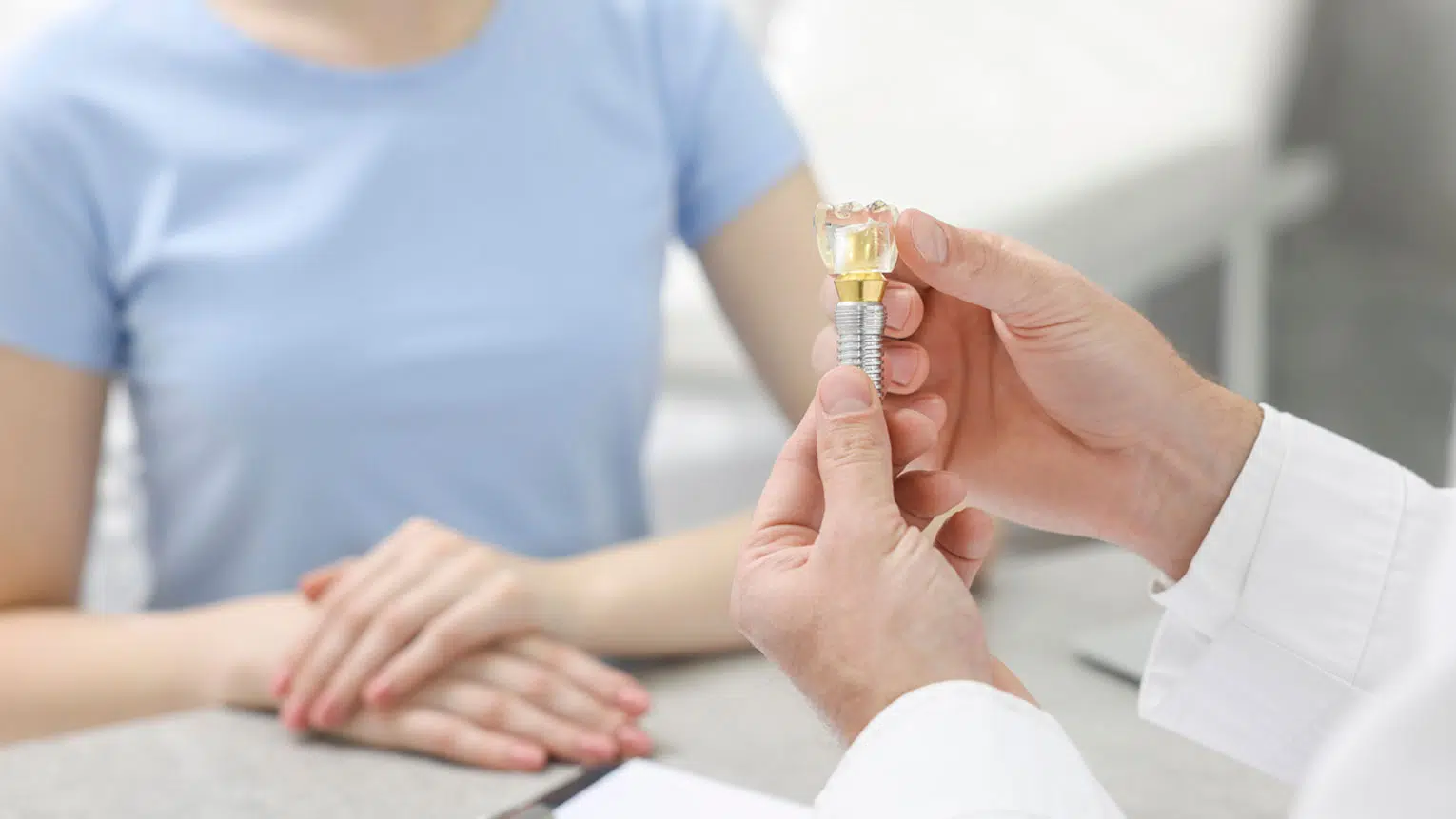




Getting a dental implant is just the beginning of your journey toward a restored smile. The success of your new implant depends heavily on how well you follow recovery guidelines.
We at Smile On Dental Salon & Sleep Apnea Center see patients achieve 95% success rates when they understand what dental implant recovery involves. This guide walks you through each phase of healing and the steps that lead to long-term implant success.
What Happens in Your First 48 Hours After Surgery
The first 24 to 48 hours after your dental implant surgery determine your recovery outcome. Your body’s inflammatory response peaks during this window, which makes proper management essential for long-term success.
Pain and Swelling Control Strategy
Take ibuprofen 600-800mg every 6 hours for the first three days, even if you feel no pain. Research shows this proactive approach helps manage postoperative dental pain effectively.
Apply ice packs for 20 minutes on, 10 minutes off during your first 48 hours. Sleep with your head elevated on two pillows to prevent blood from pooling at the surgical site. Most patients experience peak swelling on day two, then see steady improvement.
Wound Care Protocol
Avoid rinsing, spitting, or touching the surgical area for 24 hours. Start gentle salt water rinses after day one using one teaspoon of salt in warm water, four times daily after meals.
Use a cotton swab with prescribed Peridex rinse to clean around healing components three times daily. Skip your regular toothbrush near the implant site for the first week.
Activity Restrictions
Limit physical activity for 48 hours – no lifting over 10 pounds, no bending below waist level, and no strenuous exercise. These restrictions prevent bleeding and protect the blood clot formation that supports proper healing.
Return to work becomes possible after three days for desk jobs (longer for physical labor). Your adherence to these guidelines directly impacts how well your implant integrates with your jawbone during the critical weeks ahead.
How Long Does Your Implant Take to Fully Heal
The Osseointegration Timeline
Your dental implant needs 3-6 months to fuse completely with your jawbone through osseointegration. The American Dental Association confirms this bone fusion process creates the stable foundation that makes implants 96.4% successful over 10 years.
New bone cells begin to grow around your titanium implant post during weeks 2-4. The National Institute of Dental and Craniofacial Research shows that patients who smoke during this phase face failure rates that increase by 15.8% (which makes quitting essential for success).
Week 6 marks when soft tissue healing completes, and you can resume normal brushing around the implant site. Most patients return to regular eating habits after 8 weeks, though you should still avoid extremely hard foods like ice or nuts. Month 3 brings the halfway point where your implant achieves 60-70% of its final stability.
Recovery Milestones You Should Track
Proper healing shows steady improvement each week – swelling decreases, discomfort fades, and the implant site looks pink and healthy. You should see minimal bleeding after week 1 and no persistent pain after week 2.
Temperature sensitivity around the implant site remains normal for 4-6 weeks. Your gums should appear light pink around the healing abutment – dark red coloration or white patches indicate infection.
Warning Signs That Demand Immediate Attention
Several symptoms require emergency dental care: severe pain that worsens after day 3, persistent bleeding beyond 48 hours, implant movement when touched, or pus discharge from the surgical site. These symptoms indicate potential infection or implant failure.
Sharp shooting pains suggest nerve damage rather than normal healing discomfort. Missing these warning signs can result in implant loss and the need for additional procedures.
Your diet choices during this healing phase play an equally important role in recovery success and long-term implant stability.
What Should You Eat During Implant Recovery
Your food choices during the first two weeks directly impact healing speed and implant success rates. Research shows that patients who follow proper nutritional guidelines experience success rates over 95% for implants placed following proper procedures.
Days 1-3: Liquid Nutrition Only
Days 1-3 require liquid nutrition exclusively. Protein shakes, bone broths, and smoothies without seeds provide essential nutrients without disturbing the surgical site. These liquids deliver the calories and protein your body needs while protecting the blood clot formation around your implant.
Avoid using straws during this period, as the suction can dislodge blood clots. Room temperature or slightly cool liquids work best – hot beverages above 100°F cause increased blood flow that promotes bleeding.
Week 1-2: Soft Foods Introduction
Eggs become acceptable after day 4 when scrambled soft. They deliver phosphorus and vitamin D that support bone formation around your implant. Week 2 allows mashed sweet potatoes rich in vitamin C for gum health, while soft fish like salmon provides omega-3 fatty acids that reduce inflammation.
Cooked cereals like oatmeal offer easy nutrition without requiring significant chewing. Yogurt and puddings provide protein and calcium while remaining gentle on healing tissues.
Foods That Damage Recovery
Hard foods like nuts, chips, and crusty bread can dislodge blood clots and damage healing tissues for up to 8 weeks post-surgery. Sticky foods (caramel and gum) create bacterial traps around the implant site that increase infection risk.
Citrus fruits should be avoided during the first month, though citrus fruits are high in vitamin C and beneficial for healing once initial recovery is complete. Spicy foods irritate surgical sites and should be avoided for at least two weeks.
Smoking and Alcohol Impact on Healing
Smoking significantly impacts healing and implants placed in smokers present a 140.2% higher risk of failure than implants placed in non-smokers. Each cigarette delays healing by approximately 6 hours due to vasoconstriction that limits nutrient delivery to healing tissues.
Alcohol consumption within 48 hours post-surgery interferes with blood clotting and medication effectiveness. Complete smoking cessation starting one week before surgery and continuing through the entire 3-6 month healing period produces optimal results.
Protecting Your Dental Implant Investment
Successful dental implant recovery demands strict adherence to post-surgical guidelines during the first 48 hours and throughout the 3-6 month healing period. You must follow proper pain management, wound care protocols, and dietary restrictions to achieve optimal implant success rates. Your commitment to these guidelines directly determines your implant’s long-term stability and function.
Contact your dental team immediately if you experience severe pain after day 3, persistent bleeding beyond 48 hours, implant movement, or pus discharge from the surgical site. These symptoms indicate potential complications that require prompt professional intervention. Early detection and treatment of complications can often save your implant and prevent additional procedures.
Long-term implant maintenance involves regular dental checkups, proper oral hygiene around the implant site, and habits that support bone health (avoiding smoking and excessive alcohol consumption). While implants resist decay, the surrounding gum tissue remains vulnerable to infection without proper care. We at Smile On Dental Salon & Sleep Apnea Center provide comprehensive implant services and ongoing support throughout your dental implant recovery journey.
Meet the Author

Dr. Nicole Kujawa
Dr. Kujawa provides cosmetic and general dentistry with a gentle touch and a passion for helping patients feel confident in their smiles.
Meet Dr. KujawaRelated Posts

Dental Implant Recovery: What to Expect After Surgery
Learn tips on caring for dental implants to keep them healthy and long-lasting. Explore practical advice for a confident and bright smile.

Dental Implant Recovery: What to Expect After Surgery
Explore what cosmetic dentistry is and discover how it can enhance your smile. Learn about teeth whitening, veneers, and more at Smile On Dental Salon.
Dental Implant Recovery: What to Expect After Surgery
Learn what to expect during a dental implant procedure. Find details on preparation, steps involved, aftercare, and recovery time.
