
Dental Crowns: A Guide to Restoring Your Smile





Dental crowns are a cornerstone of restorative dentistry, offering a solution for damaged or weakened teeth. These custom-made caps can transform both the appearance and function of your smile.
At Smile On Dental Salon & Sleep Apnea Center, we’ve helped countless patients regain their confidence and oral health with dental crowns. This guide will walk you through everything you need to know about this versatile dental treatment.
What Are Dental Crowns?
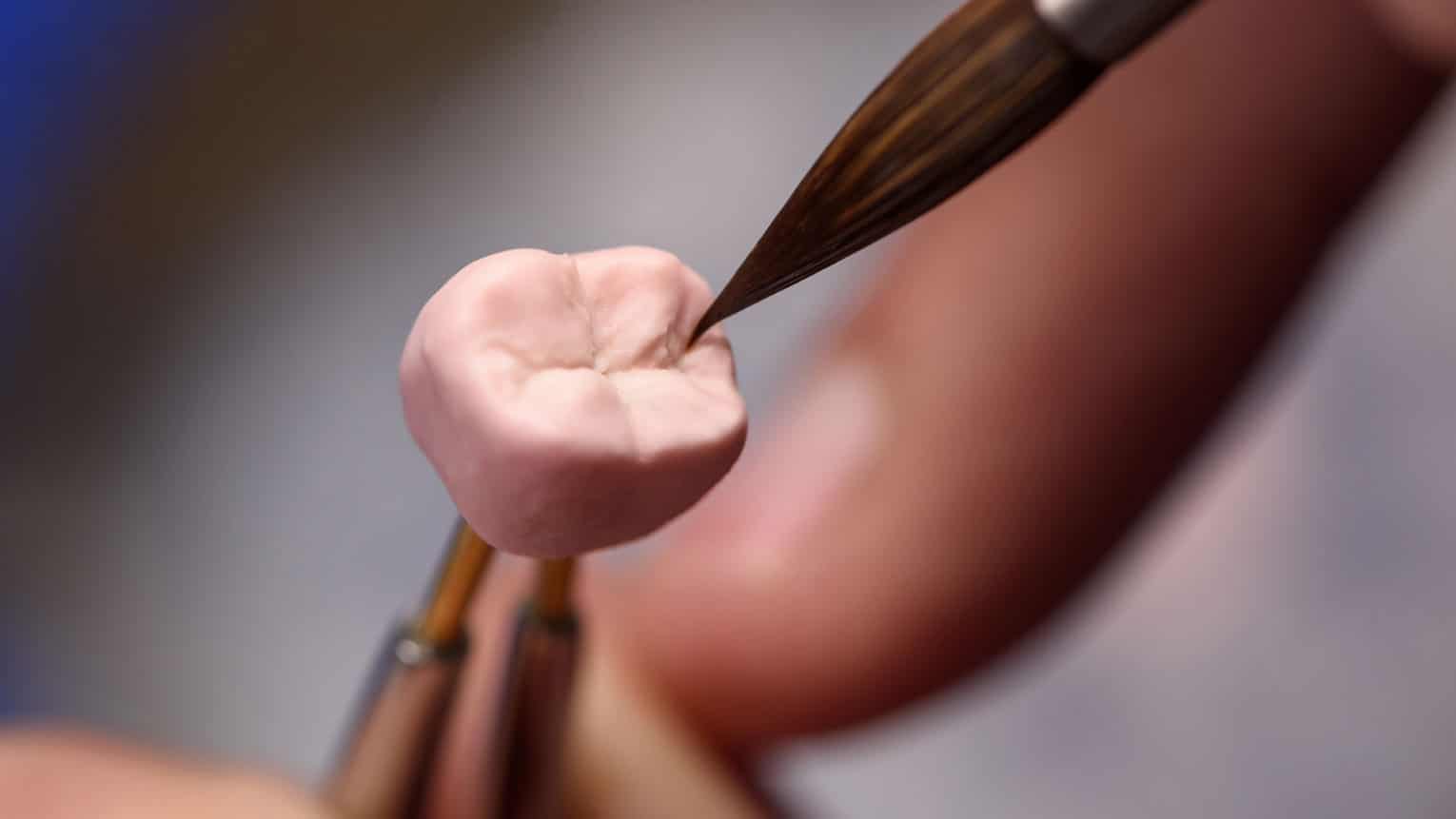
Dental crowns are tooth-shaped caps placed over damaged or decayed teeth to restore their shape, size, strength, and appearance. These versatile dental restorations play a vital role in preserving oral health and enhancing smiles.
Types of Dental Crowns
Several materials are used to create dental crowns, each with unique benefits:
- Porcelain Crowns: These offer the most natural appearance, closely mimicking the color and translucency of natural teeth. They’re an excellent choice for front teeth where aesthetics are paramount.
- Metal Crowns: Typically made from gold alloys or base-metal alloys, these crowns are incredibly durable and ideal for back teeth where strength is essential.
- Porcelain-fused-to-metal Crowns: These combine the strength of metal with the aesthetics of porcelain. They provide a good balance of durability and appearance, making them suitable for both front and back teeth.
When Dental Crowns Are Necessary
Dental crowns serve multiple purposes and are recommended in various situations:
- To protect a weak tooth from breaking
- To hold together parts of a cracked tooth
- After a root canal treatment to protect the restored tooth
- To cover severely discolored or misshapen teeth
- In cases of extensive decay where a large filling isn’t possible
- To anchor dental bridges in place
- To be placed on top of dental implants to replace missing teeth
The Lifespan of Dental Crowns
With proper care, dental crowns can last for many years. A study found that after 15 and 20 years of function, the cumulative survival rates for single crowns were 70.5% and 61.8%, respectively. Factors affecting their longevity include oral hygiene practices, habits like teeth grinding, and the material of the crown. Regular dental check-ups and good oral hygiene can significantly extend the life of your dental crown.
The Importance of Professional Assessment
A professional dental assessment is essential to determine if a dental crown is the best solution for your specific case. Dentists use advanced technology to ensure precise fitting and natural-looking results. They consider factors such as the location of the tooth, the extent of damage, and your overall oral health before recommending a crown.
As we move forward, let’s explore the step-by-step process of getting a dental crown, from the initial consultation to the final placement of your custom-made restoration.
The Dental Crown Procedure: A Step-by-Step Guide
Initial Consultation and Examination
The dental crown journey starts with a comprehensive oral health examination. A skilled dentist will assess the affected tooth and surrounding areas. X-rays may be necessary to evaluate the tooth’s root and surrounding bone structure. This thorough evaluation helps determine if a crown is the optimal solution for your specific case.
During this consultation, you’ll discuss various crown materials and choose the most suitable option based on factors such as tooth location, budget, and aesthetic preferences.
Preparing Your Tooth
Once you decide to proceed with a crown, the next step involves reshaping your tooth to accommodate the new crown. Local anesthesia ensures your comfort throughout this process.
Typically, around 1 to 2 millimetres of tooth structure is removed from all sides of the tooth to place a crown. The amount of tooth structure removed depends on the crown type you select.
If your tooth has significant decay or damage, your dentist might need to build it up before shaping it for the crown. This “build-up” provides a solid foundation for your new restoration.
Creating Your Custom Crown
After tooth preparation, your dentist will take precise impressions. These impressions serve as a blueprint for your custom-made crown. Many modern dental practices use advanced digital imaging technology to create highly accurate impressions, ensuring a perfect fit for your crown. CBCT technology provides detailed three-dimensional imaging essential for complex procedures such as implant placement and orthodontic planning.
While a dental laboratory fabricates your permanent crown (which typically takes about two weeks), your dentist will fit you with a temporary crown. This interim restoration protects your prepared tooth and maintains your smile’s appearance and function.
Fitting and Cementing Your Permanent Crown
When your permanent crown is ready, you’ll return to the dental office for the final fitting. Your dentist will remove the temporary crown and check the fit, shape, and color of your new permanent crown. If everything looks and feels right, they’ll proceed to cement the crown in place.
The cementing process involves using a special dental adhesive to secure the crown to your tooth. Once the cement hardens, your new crown is firmly in place, restoring your tooth’s strength, function, and appearance.
Post-procedure, you might experience some sensitivity to hot and cold for a few days (this is normal and should subside quickly). If you experience any persistent discomfort or issues with your bite, contact your dentist for a follow-up appointment.
As we move forward, let’s explore the numerous benefits of dental crowns and how to maintain them for long-lasting results.
Why Dental Crowns Transform Smiles and Oral Health
Boosting Smile Confidence
Dental crowns offer more than cosmetic fixes; they transform smiles and lives. These restorations cover discolored, misshapen, or damaged teeth, which instantly enhances a person’s smile. This improvement in appearance often leads to increased self-confidence, positively impacting personal and professional interactions.
Orthodontic treatment causes a significant increase in self-esteem and quality of life, providing psychological benefits for adult patients in need of oral rehabilitation. This underscores the psychological benefits of not just functional, but also aesthetic dental treatments.
Safeguarding Oral Health
Dental crowns play a vital role in maintaining oral health. They protect weakened teeth from further damage, which prevents more extensive and costly treatments in the future. For example, a crown placed after a root canal treatment can extend the life of the treated tooth indefinitely (when properly cared for).
Crowns also help maintain proper bite alignment. A damaged or worn-down tooth can affect how teeth come together, potentially leading to jaw pain or uneven wear on other teeth. A well-fitted crown restores the tooth to its proper shape and size, which ensures a balanced bite.
Durability and Longevity
With proper care, dental crowns can last 15 years or more. This longevity makes them a cost-effective solution in the long run.
To maximize the lifespan of a crown:
- Practice excellent oral hygiene. Brush twice daily with a soft-bristled toothbrush and fluoride toothpaste.
- Floss daily, paying special attention to the area around the crown.
- Avoid hard foods and ice chewing, which can chip or crack the crown.
- Use a night guard if you grind your teeth to protect your crown and other teeth.
- Schedule regular dental check-ups for professional cleanings and examinations.
Addressing Common Concerns
While dental crowns offer numerous benefits, it’s important to address common concerns. Some patients worry about sensitivity after the procedure. This is normal and usually subsides within a few weeks. If sensitivity persists, it’s important to consult your dentist.
Another concern is the potential for decay under the crown. While the crown itself can’t decay, the underlying tooth can if proper oral hygiene isn’t maintained. Regular dental visits allow for early detection and treatment of any issues.
Advanced Technology in Crown Placement
Modern dentistry uses advanced technology to ensure precise fitting and natural-looking results. Recent advancements in digital data acquisition and CAD technology in dentistry have highlighted improvements in communication and AI applications. Some dental practices even offer same-day crowns, reducing the need for multiple appointments.
Dental crowns represent a significant advancement in restorative dentistry. They not only improve the appearance of smiles but also play a vital role in preserving oral health and function. With proper care and maintenance, a dental crown can provide both aesthetic and functional benefits for years to come.
Final Thoughts
Dental crowns represent a significant advancement in modern dentistry, offering a versatile solution for various dental issues. These custom-made caps restore the appearance of damaged teeth and preserve oral health and function. Dental crowns protect weakened teeth, improve bite alignment, and enhance smile aesthetics, which contributes to overall well-being and confidence.
The longevity and durability of dental crowns make them a wise investment in oral health. With proper care and maintenance, these restorations can last for many years, providing both functional and aesthetic benefits. Regular dental check-ups, good oral hygiene practices, and avoiding habits that could damage the crown (such as chewing ice) are essential to maximize their lifespan.
We at Smile On Dental Salon & Sleep Apnea Center are ready to help those considering dental crowns or any other dental treatment. Our team utilizes advanced technology and personalized care to ensure the best possible outcomes for our patients. Don’t let dental issues hold you back – take the first step towards a healthier, more radiant smile today.
Meet the Author

Dr. Paul Poncza
Dr. Poncza provides sleep and cosmetic dentistry with a focus on better rest, improved health, and confident smiles.
Meet Dr. PonczaRelated Posts
Dental Crowns: A Guide to Restoring Your Smile
Crowns are a common solution for tooth restoration, with many patients requiring both a temporary and permanent crown at different times during their treatment plan. Both types serve different purposes. Explore the complementary roles of temporary and permanent crowns and how they…

Dental Crowns: A Guide to Restoring Your Smile
Dental crowns are a common solution for various dental problems, ranging from severe decay to cosmetic concerns like a cracked tooth. These versatile restorations cap or encircle a tooth, restoring its original structure and functionality. They can be crafted from various materials,…
