
Dental Check Up What to Expect and Why It’s Important




Most people skip their dental check ups until something hurts. By then, the damage is often already done.
A dental check up catches problems early-before they become expensive and painful. We at Smile On Dental Salon & Sleep Apnea Center see patients every week who wish they’d come in sooner.
What Happens During a Dental Check Up
Your Health History Sets the Stage
A dental check up starts with a health questionnaire where you report any changes in your overall health, medications, or oral concerns. The hygienist checks your blood pressure and asks about your diet and habits like smoking or teeth grinding. This information shapes your entire appointment and helps identify risk factors specific to you.
Professional Cleaning Removes What You Cannot
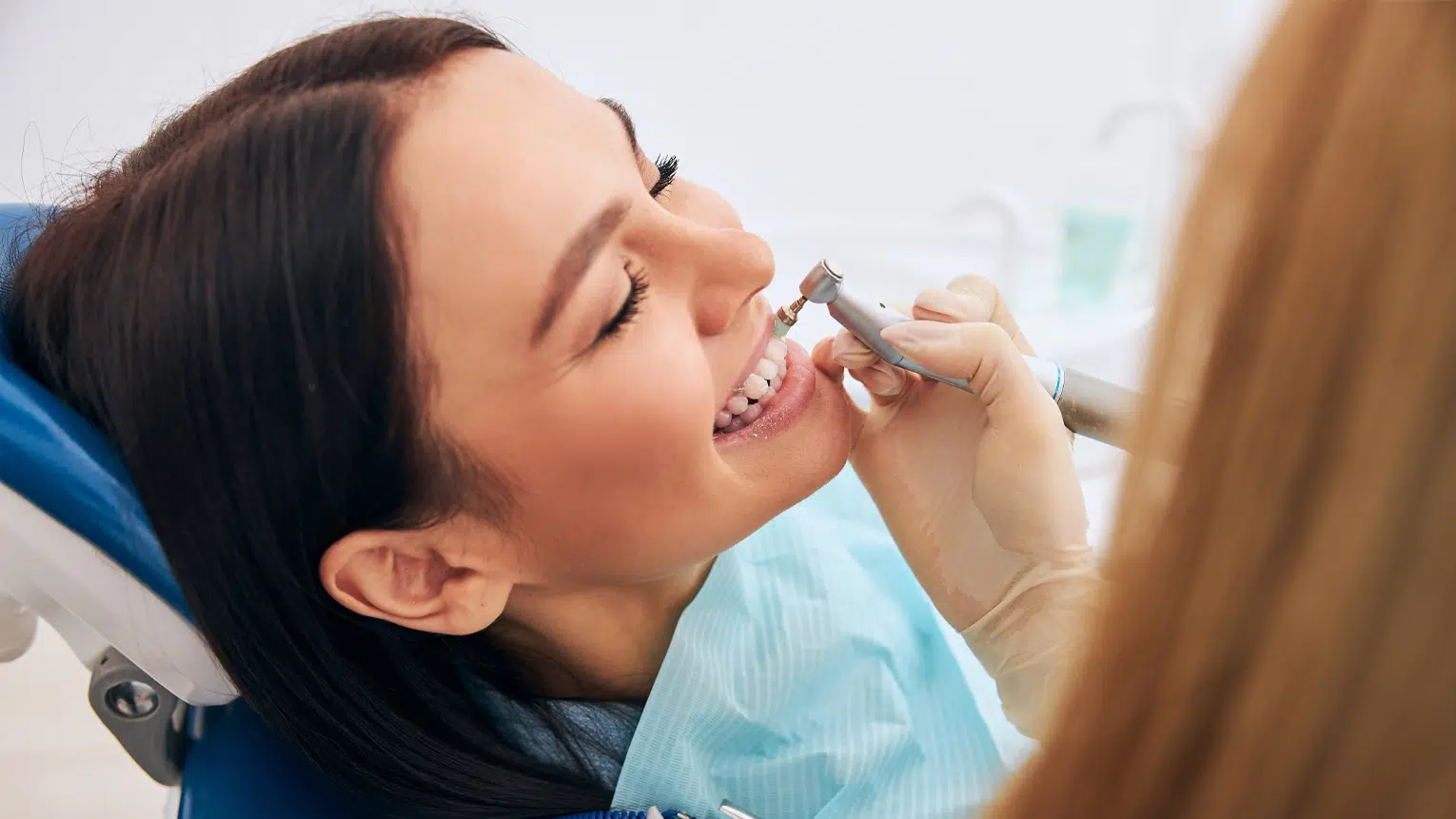
The professional cleaning is the part most people underestimate. The hygienist uses specialized tools to remove tartar and plaque from around your gum line and tooth surfaces-something brushing and flossing alone cannot do. Professional scaling every six months helps prevent buildup from causing serious problems like gum disease, cavities, or bad breath. After scaling, the hygienist polishes your teeth and may apply fluoride gel or dental sealants to prevent decay, especially on back teeth where cavities hide easily. The entire cleaning takes about 15 to 20 minutes and stands as the most valuable preventive tool available to you.
The Dentist Exam Reveals Hidden Problems
The dentist exam includes three critical components. First, a visual examination of your teeth and gums checks for cavities, existing damage, and signs of gum disease. The dentist assesses your bite and looks for wear patterns from teeth grinding affects roughly 22 percent of adults globally. Second, X-rays reveal what eyes cannot see-cavities between teeth, impacted teeth, bone loss, and jaw injuries. You wear a lead apron for protection, and the radiation exposure remains minimal, making X-rays safe even for patients concerned about radiation. If you are pregnant, inform us before X-rays, as they are not recommended during pregnancy unless an emergency exists. Third, the dentist screens for oral cancer screening by checking for unusual lumps, swollen lymph nodes, or discoloration in your mouth, face, and neck. This screening alone catches early-stage oral cancer when treatment is most effective.
What Comes Next
The entire exam typically takes 20 to 30 minutes, and most insurance plans cover two cleanings and exams per year with no out-of-pocket cost. Once your dentist completes the exam, they discuss findings and recommend next steps-whether that means improved home care, treatment for cavities, or referrals to specialists for more complex issues.
Why Regular Dental Check Ups Stop Problems Before They Start
Early detection through regular check ups separates a simple filling from a root canal, and catches oral cancer at stage one instead of stage three. Gum disease affects roughly 42 percent of adults over 30, yet many people remain unaware they have it until significant damage occurs. The problem is that gum disease and cavities develop silently. Your teeth don’t hurt until infection reaches the nerve, and your gums don’t bleed until inflammation advances considerably. Professional cleanings remove tartar buildup that causes gum disease, and X-rays catch cavities between teeth where you cannot see them. Waiting for pain means waiting too long.
Tartar Buildup Triggers Gum Disease
Professional scaling removes tartar from around your gum line-the exact spot where disease starts. Most people brush and floss at home, but these tools cannot remove hardened tartar. Only professional scaling stops the progression before it becomes serious. Gum disease affects roughly 42 percent of adults over 30, and many don’t realize it until they lose teeth. Regular check ups catch gingivitis before it progresses to periodontitis, the severe form that destroys bone supporting your teeth.
Gum Disease Threatens Your Heart and Blood Sugar
Gum disease isn’t just a dental problem. Research from the Mayo Clinic shows that periodontal disease may be linked to cardiovascular disease, diabetes complications, and stroke. If you have diabetes, gum disease makes blood sugar harder to control, creating a vicious cycle. The National Institute of Dental and Craniofacial Research confirms that good dental care improves diabetes management. Your dentist identifies these connections during your check up and adjusts your care plan accordingly.
Oral Cancer Screening Catches Early Stages
Oral cancer survival rates drop dramatically once the disease spreads beyond the mouth. Early-stage detection means significantly higher survival rates, while late-stage detection drops considerably. Your dentist screens for oral cancer during every check up by examining your mouth, face, and neck for unusual lumps, discoloration, or swollen lymph nodes. You cannot perform this screening yourself at home. Most oral cancers develop on the floor of the mouth, the sides of the tongue, or the soft palate (areas difficult to see without professional tools). Tobacco and alcohol use raise risk significantly, but oral cancer can develop in anyone. Catching it at the earliest stage when treatment is simplest and least invasive depends entirely on regular professional screening.
What You Cannot See, Your Dentist Can
X-rays reveal cavities between teeth, impacted teeth, bone loss, and jaw injuries that a visual exam misses. These hidden problems progress silently until they cause pain or infection. Professional cleanings combined with X-ray imaging create a complete picture of your oral health. This combination of detection methods is why regular check ups matter far more than waiting for symptoms to appear.
Common Dental Issues Your Check Up Will Catch
Hidden Cavities Develop Where Your Brush Cannot Reach
Cavities form between teeth and under the gum line where your toothbrush never reaches. Toothpaste and bristles cannot access tight spaces between teeth or below the gum line, so decay starts in spots you cannot see. X-rays reveal these hidden cavities before they cause pain or require expensive root canal treatment. The cost difference matters significantly: a simple filling runs $100 to $300, while root canal therapy costs $1,200 to $2,000. Catching a cavity early saves you money and protects your tooth structure from permanent damage.
Gingivitis Produces No Pain Until Damage Becomes Severe
Gingivitis, the early stage of gum disease, produces no pain and minimal symptoms, yet it affects about 4 in 10 U.S. adults 30 years or older. Your gums may bleed slightly when you floss, but you might dismiss this as normal. This early bleeding signals inflammation that professional scaling can reverse completely. Once gingivitis progresses to periodontitis, the bone supporting your teeth deteriorates permanently, and tooth loss becomes inevitable. Professional intervention at the gingivitis stage stops the progression before it becomes serious.
Teeth Grinding Wears Down Your Bite Without Your Knowledge
Bruxism, or teeth grinding, affects roughly 25.9 percent of the population and often occurs at night when you have no awareness it is happening. Your dentist spots the telltale wear patterns on your teeth during the visual exam, noticing flat surfaces where grinding has worn down natural tooth structure. This damage accumulates silently until your bite changes or your jaw develops problems. Early detection allows your dentist to recommend a night guard that protects your teeth and prevents jaw joint damage before it becomes severe.
Jaw Problems Stem From Undetected Grinding Patterns
Jaw problems stemming from grinding can cause chronic pain, clicking when you open your mouth, and difficulty chewing. These symptoms develop gradually, and most people don’t connect them to teeth grinding until a dentist identifies the wear patterns. Professional screening catches this condition at a stage when treatment remains simple, affordable, and highly effective. A night guard worn during sleep protects your teeth and jaw joints from further damage while you rest.
Final Thoughts
A dental check up does far more than clean your teeth. It catches cavities before they require root canals, stops gum disease before it destroys bone, and screens for oral cancer when treatment works best. Most importantly, it identifies problems you cannot see or feel until damage becomes serious and expensive.
We at Smile On Dental Salon & Sleep Apnea Center recommend a dental check up every six months for most adults. If you have gum disease, diabetes, a family history of oral problems, or take medications that reduce saliva, you may need visits more frequently. Your dentist will assess your individual risk and create a personalized schedule that matches your needs.
The time to act is now. Contact Smile On Dental Salon & Sleep Apnea Center in Lakeview or Deerfield to schedule your appointment with our team of experienced dentists and hygienists who prioritize your comfort and health.
Meet the Author

Dr. Nicole Kujawa
Dr. Kujawa provides cosmetic and general dentistry with a gentle touch and a passion for helping patients feel confident in their smiles.
Meet Dr. KujawaRelated Posts

Dental Check Up What to Expect and Why It’s Important
Stop bad breath before it starts with proven causes, treatments, and daily dental habits from Smile On.

Dental Check Up What to Expect and Why It’s Important
Keeping up with regular dental cleanings is one of the best ways to maintain a healthy and confident smile. While brushing and flossing at home play a critical role in oral hygiene, professional cleanings go deeper to remove plaque and tartar that…

Dental Check Up What to Expect and Why It’s Important
When it comes to maintaining a healthy smile, regular dental cleanings play an essential role. Many people believe that good brushing and flossing are enough, but in reality, professional cleanings are critical to preventing more serious dental issues. At Smile On Dental…
