
CPAP Alternatives Exploring Your Options for Sleep Apnea
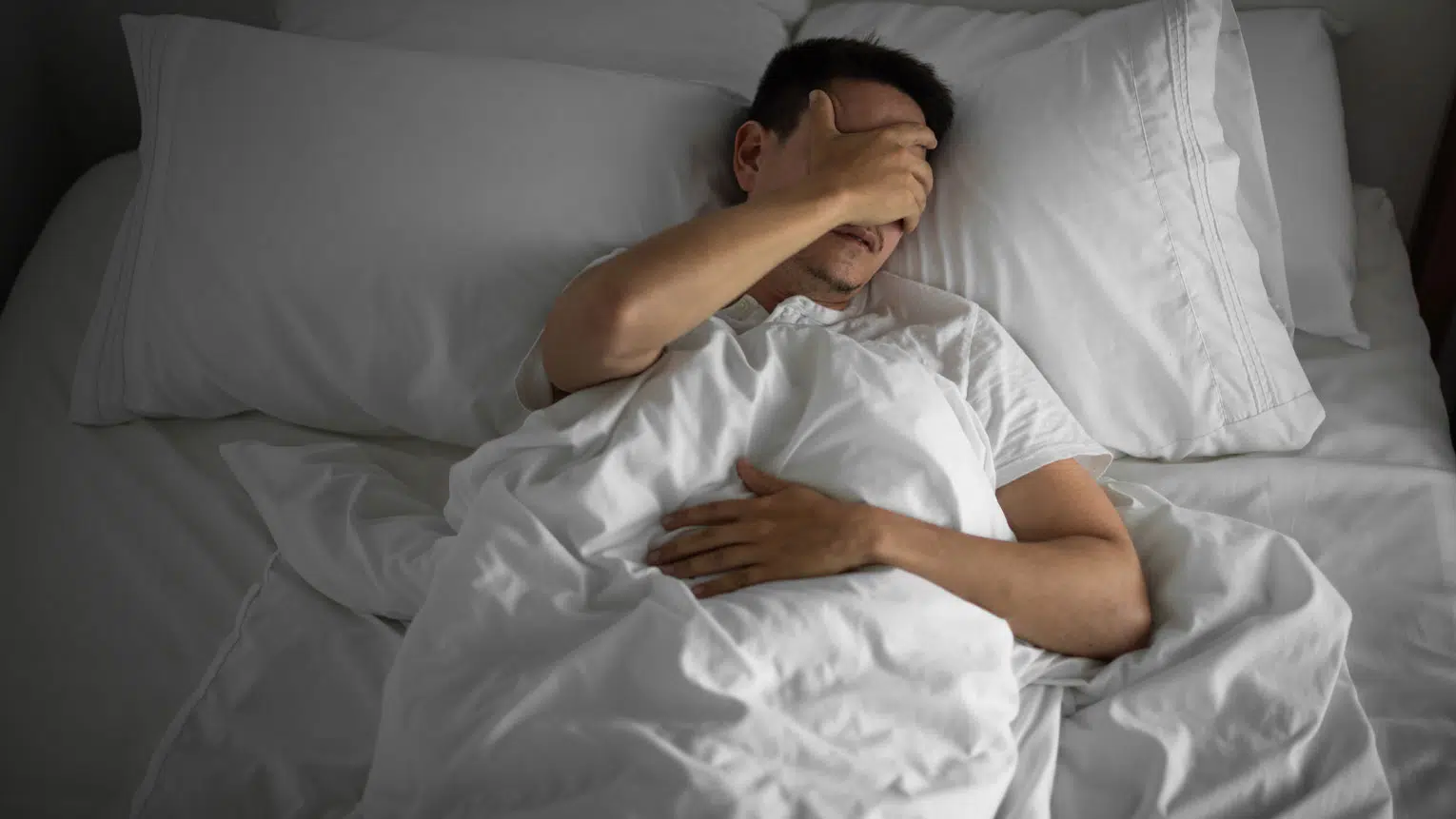




Sleep apnea affects 22 million Americans, yet up to 50% of patients struggle with CPAP therapy compliance due to discomfort, noise, and lifestyle restrictions.
At Smile On Dental Salon & Sleep Apnea Center, we see patients daily who need effective CPAP alternatives that fit their individual needs and preferences.
Multiple treatment options exist beyond traditional CPAP machines, from oral appliances to surgical interventions and innovative therapies.
Why CPAP Machines Fail So Many Patients
Comfort Problems Drive Treatment Abandonment
CPAP therapy fails 40% of sleep apnea patients within the first year according to National Institutes of Health studies, primarily due to mask-related issues. Claustrophobia affects 25% of new users, while air pressure discomfort causes another 30% to quit treatment entirely. Skin irritation from masks creates sores and rashes that make nightly use unbearable for countless patients. The noise from CPAP machines disrupts partners’ sleep in 60% of households, which creates relationship stress that leads many to abandon therapy altogether.
Real-World Compliance Challenges Make CPAP Impractical
Travel complications plague CPAP users who must carry bulky equipment through airports and find power sources in hotels. Mouth breath patterns during sleep render nasal masks ineffective for 35% of patients, while full-face masks increase claustrophobia and leak rates. Dry mouth and nasal congestion from forced air pressure affect 45% of users daily (making consistent treatment nearly impossible). Power outages and equipment failures leave patients without treatment options during critical sleep periods.
Alternative Solutions Show Superior Compliance Rates
These practical barriers explain why alternative treatments like oral appliances show equally effective therapy in reducing cardiovascular risks compared to CPAP. Patients need solutions that work with their lifestyle, not against it. The good news is that effective alternatives exist that address these common CPAP problems while still providing excellent treatment outcomes for sleep apnea patients.
How Effective Are Oral Appliances for Sleep Apnea
Custom Mandibular Devices Outperform Generic Options
Oral appliances advance your lower jaw forward 6-10 millimeters during sleep, which opens your airway and prevents tissue collapse. Custom-made mandibular advancement devices show effectiveness in reducing sleep apnea events according to American Academy of Sleep Medicine studies, with long-term MAD therapy remaining effective after 5 years in more than 50% of patients, while over-the-counter versions show only 30% success rates. The precise fit matters because generic devices often cause jaw pain and tooth movement that leads to treatment abandonment within three months.
Professional fitting involves digital impressions and bite registration to position your jaw at the optimal advancement level. Dentists adjust the device incrementally over 4-6 weeks until you achieve maximum airway opening without jaw discomfort. This personalized titration process contributes to significantly higher patient comfort and long-term compliance rates compared to generic store-bought alternatives.
Clinical Evidence Shows Strong Treatment Success
Research published in Sleep Medicine Reviews demonstrates that oral appliances reduce Apnea-Hypopnea Index scores by an average of 50% in patients with mild to moderate sleep apnea. The devices work best for patients with AHI scores under 30 and BMI below 35 (achieving complete symptom resolution in 40% of cases). Snoring elimination occurs in 75% of users within the first month of treatment.
Long-term studies from Stanford Sleep Medicine Center show that oral appliances maintain their effectiveness for over five years when properly maintained. Patients report improved daytime energy levels within two weeks, and partners notice immediate snoring reduction. The portability advantage means no power requirements or travel restrictions (making oral appliances ideal for frequent travelers who struggled with CPAP compliance during business trips).
When Oral Appliances May Not Be Sufficient
Severe sleep apnea cases with AHI scores above 30 often require more aggressive treatment approaches than oral appliances can provide alone. Patients with significant jaw joint problems or extensive dental work may not qualify for mandibular advancement therapy due to structural limitations.
What Advanced Treatments Work When Oral Appliances Fall Short
Surgical Solutions Target Anatomical Blockages
Upper airway surgery addresses specific anatomical problems that cause sleep apnea. Procedures like uvulopalatopharyngoplasty achieve cure rates of 22.58% and marked effectiveness in 32.26% of patients, while maxillomandibular advancement repositions jaw bones to widen airways permanently. Penn Medicine reports that their Transoral Robotic Surgery technique achieves 70% success rates in reduction of AHI scores below 20 for patients with severe OSA who failed CPAP therapy.
Recovery requires 2-6 weeks with dietary restrictions, but patients see permanent airway improvements within three months. Nasal surgeries like septoplasty correct obstruction of breath and make future CPAP use more tolerable if needed. Weight loss surgery benefits patients with BMI above 35 through reduction of fat deposits around airways.
Inspire Therapy Delivers Mask-Free Results
Inspire hypoglossal nerve stimulation works through implantation of a pacemaker-like device that stimulates tongue muscles during sleep. Success rates are reported at around 72-75% at one and five years post-implantation, with significant reductions in apnea events. The FDA-approved system offers freedom from masks and hoses that CPAP users struggle with daily.
Patients control the device with a remote and smartphone app, and many insurance plans including Medicare may provide coverage for eligible patients. The system requires surgical implantation but provides an effective alternative for severe OSA cases where oral appliances prove insufficient.
Positional and Lifestyle Interventions Support Treatment
Sleep position training uses specialized pillows and positional devices to help patients maintain side-sleep positions that reduce OSA symptoms by 50% in back-sleepers. Targeted weight loss of just 10% can eliminate mild sleep apnea entirely through reduced airway compression. Physical therapy strengthens throat and tongue muscles through specific exercises that may reduce OSA severity when combined with other treatments.
Electric muscle stimulation devices like eXciteOSA provide clinically proven daytime therapy for snoring and mild OSA reduction in 6 weeks, offering an alternative to CPAP and oral appliances.
Which Sleep Apnea Treatment Is Right for You?
Sleep apnea treatment success depends on how well you match the right therapy to your specific needs, lifestyle, and medical condition. CPAP alternatives like oral appliances work best for mild to moderate cases with AHI scores under 30, while severe OSA often requires surgical intervention or Inspire therapy. Your BMI, jaw structure, and travel habits all influence which treatment will provide the best long-term compliance and effectiveness.
Professional evaluation makes the difference between treatment success and failure when you explore CPAP alternatives. We at Smile On Dental Salon & Sleep Apnea Center evaluate your individual anatomy and sleep study results to recommend the most effective treatment approach. Our team specializes in oral appliance therapy and comprehensive sleep apnea care (tailored to your unique situation).
The path to better sleep health starts with proper diagnosis and expert guidance. Don’t let CPAP failure prevent you from treating your sleep apnea effectively. Multiple proven alternatives exist that can restore your sleep quality and protect your long-term health without the hassles of traditional CPAP therapy.
Meet the Author

Dr. Paul Poncza
Dr. Poncza provides sleep and cosmetic dentistry with a focus on better rest, improved health, and confident smiles.
Meet Dr. PonczaRelated Posts
CPAP Alternatives Exploring Your Options for Sleep Apnea
Learn about sleep apnea symptoms, health risks, and effective treatment options including oral appliance therapy at our dental center.
CPAP Alternatives Exploring Your Options for Sleep Apnea
Explore oral appliance therapy for sleep apnea as a comfortable alternative to CPAP, offering easier breathing and restful nights.
CPAP Alternatives Exploring Your Options for Sleep Apnea
Learn about untreated sleep apnea risks like heart problems and fatigue. Get expert insights from Smile On Dental Salon & Sleep Apnea Center.
