
Caring for Your Dental Implants A Complete Guide





Dental implants represent a significant investment in your oral health, with success rates exceeding 95% when properly maintained. Yet many patients receive their new implants without clear guidance on long-term care.
We at Smile On Dental Salon & Sleep Apnea Center see firsthand how proper caring for dental implants can extend their lifespan to 25 years or more. This guide covers everything you need to know to protect your investment.
How Do Dental Implants Actually Function
Dental implants work through a process called osseointegration, where the titanium post fuses directly with your jawbone over several months. This creates a permanent foundation that exceeds the strength of your natural tooth root. The implant consists of three parts: the titanium screw that sits in your jawbone, an abutment that connects to the crown, and the visible crown itself. Modern implants achieve their 97% success rate because titanium is biocompatible-your body accepts it without rejection.
Titanium vs Zirconia Materials
Titanium remains the gold standard for implant materials, with over 50 years of clinical data that supports its durability. Zirconia implants offer a metal-free alternative for patients with titanium allergies, though they represent less than 5% of implant placements due to higher fracture rates. The choice affects your long-term success directly. Titanium implants show better osseointegration rates and can handle greater bite forces, which makes them the preferred choice for posterior teeth that endure heavy loads.
Your Bone Integration Timeline
Bone integration takes 3-6 months for most patients, though this varies based on your bone density and overall health. The first two weeks are essential for initial healing, during which you must avoid any disturbance to the surgical site. Smoking increases failure rates by 40% (according to the Journal of Dental Research), so patients who quit before surgery significantly improve their outcomes. Most patients can return to normal eating within 6-8 weeks, but complete osseointegration requires patience. We recommend soft foods for the first month and suggest you avoid hard substances like ice or nuts until your dentist confirms full integration.
What Affects Your Success Rate
Several factors influence how well your implants integrate with your bone tissue. Patients with diabetes or autoimmune conditions may experience slower healing times. Your age also plays a role-younger patients typically heal faster than those over 65. The location of your implant matters too, as upper jaw implants often take longer to integrate than lower jaw placements due to bone density differences.
Once you understand how your implants function and heal, you can focus on the daily habits that will protect them for decades to come.
How Should You Clean Your Implants Daily
Your implant care routine demands more precision than natural teeth, as peri-implant mucositis affects 64.6% of implant patients according to Heitz-Mayfield’s research. The key difference lies in how plaque accumulates around the implant crown-bacteria can penetrate deeper into the gum pocket, which makes standard brushing insufficient.
Electric Brushes Beat Manual Every Time
Switch to an electric toothbrush immediately after your healing period ends. Studies show electric brushes remove 21% more plaque than manual brushes around implant sites. Use a soft-bristled head and brush for exactly two minutes. Spend 30 seconds on each quadrant of your mouth.
Hold the brush at a 45-degree angle to the gum line and let the brush do the work. Excessive pressure damages the delicate tissue around your implant. Replace brush heads every three months, as worn bristles lose their effectiveness quickly.
Water Flossers Transform Your Cleaning Game
Traditional floss cannot reach the curved areas where your implant crown meets the abutment. Water flossers with chlorhexidine solution achieve complete resolution of peri-implant mucositis in 70% of patients according to Bunk’s clinical trial. Set your water flosser to medium pressure and trace along the gum line slowly, pausing at each tooth surface.
Use the device twice daily-morning and evening-for maximum bacterial disruption. Interdental brushes work as backup tools for tight spaces, but water flossers remain your primary weapon against implant complications.
Your Product Arsenal Matters
Choose antimicrobial toothpaste that contains 0.3% Triclosan, which provides superior clinical attachment stability over 24 months compared to regular fluoride paste. Avoid abrasive whitening toothpastes that scratch implant surfaces and create bacterial hiding spots.
Rinse with therapeutic mouthwash that contains cetylpyridinium chloride twice daily to reduce bacterial load. Replace your toothbrush every six weeks instead of the standard three months, as implant patients need fresher bristles to combat persistent bacteria effectively.
Signs Your Home Care Needs Adjustment
Watch for bleeding during brushing or flossing, which indicates inflammation around your implant site. Persistent bad breath despite proper cleaning suggests bacterial buildup in hard-to-reach areas. Swelling or tenderness around the implant crown requires immediate attention and possible technique modification.
These daily habits form the foundation of implant success, but professional maintenance takes your care to the next level with specialized tools and expert monitoring.
Why Professional Maintenance Changes Everything
Regular maintenance therapy reduces peri-implantitis incidence according to research, making professional care your strongest defense against implant failure. Patients who skip maintenance appointments face a 41% treatment rate for peri-implantitis compared to just 27% for those who attend regular visits, as documented by Roccuzzo. Your home care routine, no matter how meticulous, cannot replace the specialized tools and expertise that professional cleanings provide for implant longevity.
Glycine Powder Transforms Professional Cleanings
Professional cleanings for implants differ dramatically from standard teeth cleanings. Glycine powder air-polishing combined with ultrasonic devices improves clinical parameters significantly compared to traditional mechanical scraping methods according to clinical trials. This gentle approach removes bacterial biofilm without scratching implant surfaces or damaging the delicate seal between your implant and gum tissue.
Schedule cleanings every three to four months instead of the standard six-month interval, as implant patients accumulate bacteria faster than those with natural teeth. Your dental hygienist will use specialized plastic instruments instead of metal tools to prevent surface damage that creates bacterial hiding spots.
Early Detection Saves Thousands of Dollars
Professional monitoring detects peri-implant mucositis before it progresses to bone-destroying peri-implantitis. Your dentist measures pocket depths around each implant with a specialized probe, looking for depths exceeding 4mm that signal inflammation. Bleeding on probing indicates active infection that requires immediate intervention.
X-rays taken annually reveal bone loss around implant threads that home care cannot detect. Early intervention with antimicrobial therapy costs hundreds of dollars, while advanced peri-implantitis treatment requires surgical procedures costing thousands and potentially implant replacement.
Specialized Tools Make the Difference
Professional maintenance uses tools unavailable for home care. Ultrasonic scalers remove hardened plaque deposits that manual brushing cannot reach. Air-polishing systems flush bacteria from deep pockets around your implant crown (areas where traditional floss fails completely).
Your hygienist applies antimicrobial agents directly to infected sites, providing concentrated treatment that over-the-counter products cannot match. These professional interventions stop bacterial progression before it threatens your implant stability.
Final Thoughts
Caring for dental implants demands commitment, but the rewards extend far beyond the initial 95% success rate. Your daily routine with electric brushes, water flossers, and antimicrobial products creates the foundation, while professional maintenance every three to four months prevents the 64.6% of patients who develop peri-implant mucositis from advancing to serious complications. These evidence-based practices transform your implants from a dental procedure into a lifetime solution.
Watch for bleeding during cleanings, persistent bad breath, swelling around implant sites, or any loose sensations. These symptoms require immediate professional attention to prevent costly interventions later. Pain, pus discharge, or changes in how your implant feels when you bite signal potential infections that need urgent care (these warning signs often appear before serious damage occurs).
Your implants represent a significant financial investment that can last 25 years or more with proper maintenance. The combination of meticulous home care and regular professional monitoring protects this investment while preserving your oral health. We at Smile On Dental Salon & Sleep Apnea Center provide specialized care to help keep your implants healthy for decades.
Meet the Author

Dr. Nicole Kujawa
Dr. Kujawa provides cosmetic and general dentistry with a gentle touch and a passion for helping patients feel confident in their smiles.
Meet Dr. KujawaRelated Posts
Caring for Your Dental Implants A Complete Guide
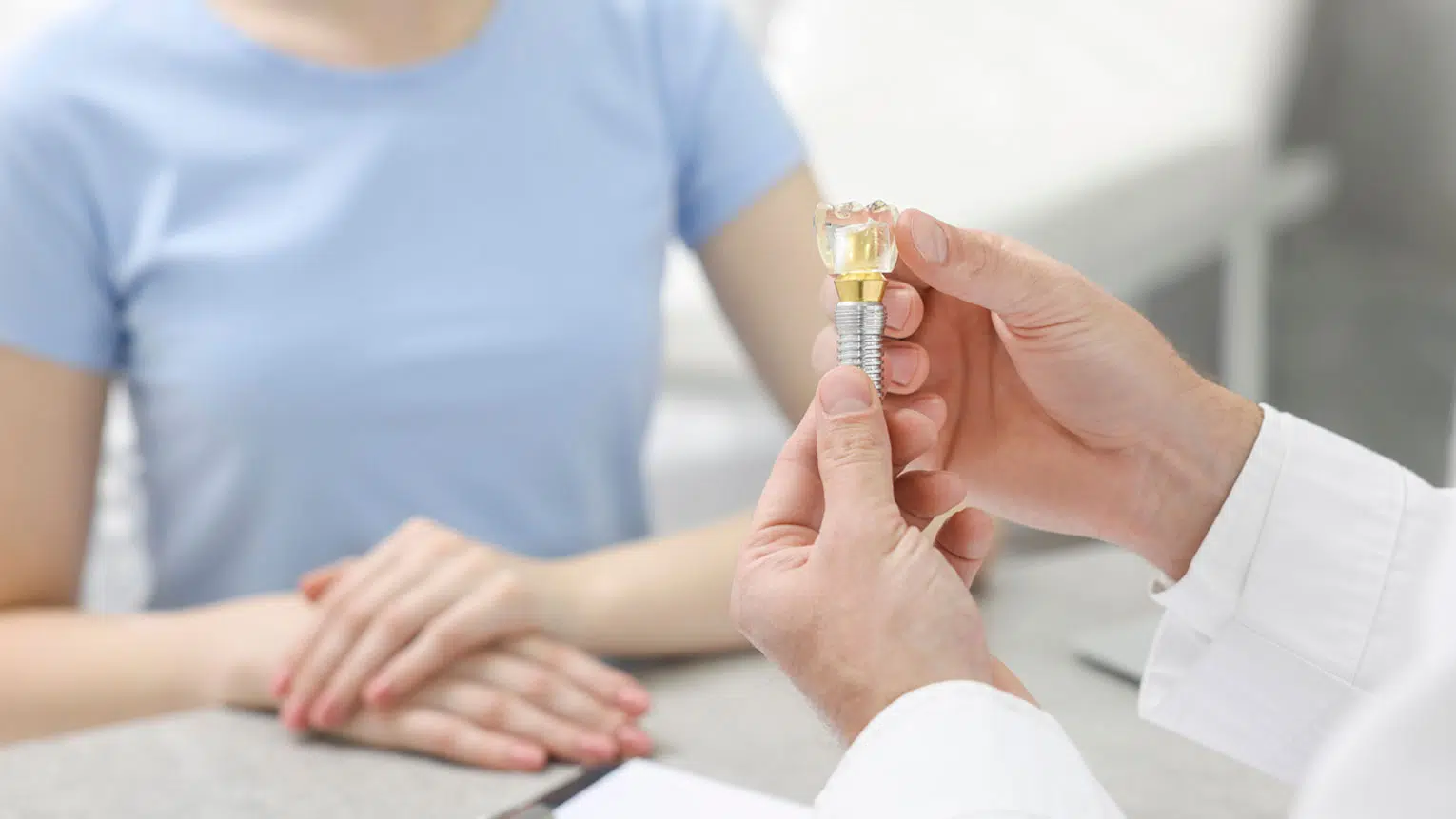
Understand dental implant recovery timelines, tips, and care essentials. Discover what to expect for a smooth healing process after your surgery.
Caring for Your Dental Implants A Complete Guide
Explore what cosmetic dentistry is and discover how it can enhance your smile. Learn about teeth whitening, veneers, and more at Smile On Dental Salon.
Caring for Your Dental Implants A Complete Guide
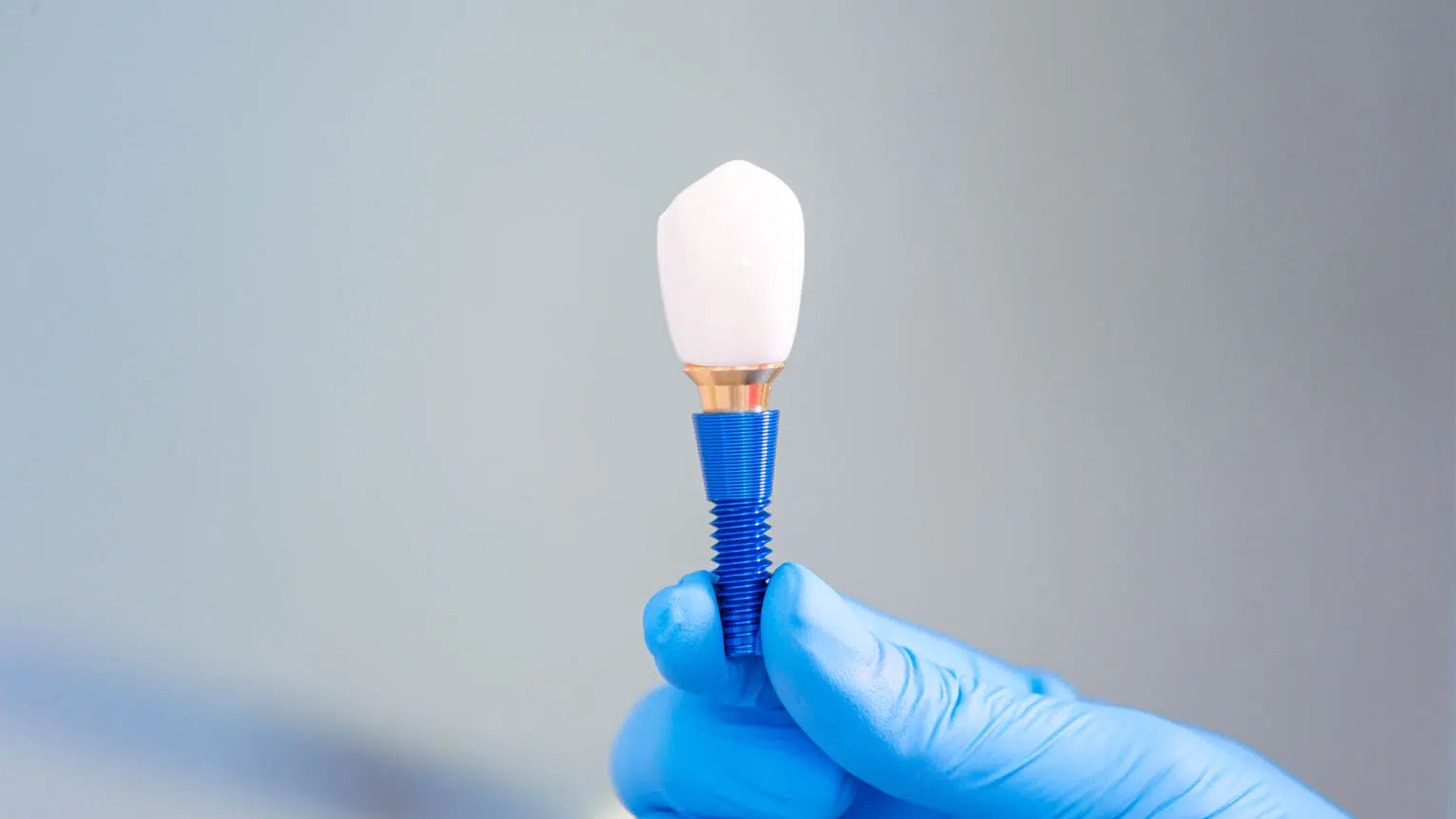
Learn what to expect during a dental implant procedure. Find details on preparation, steps involved, aftercare, and recovery time.
