
Bruxism Treatment What Are Your Options?





At Smile On Dental Salon & Sleep Apnea Center, we understand the impact of bruxism on your oral health and overall well-being. Teeth grinding can lead to serious dental issues and discomfort if left untreated.
Fortunately, there are various bruxism treatment options available today. In this post, we’ll explore the causes, symptoms, and effective solutions to help you find relief from teeth grinding and jaw clenching.
What Is Bruxism and Why Does It Happen?
Definition and Prevalence of Bruxism
Bruxism refers to the involuntary grinding or clenching of teeth. This condition affects millions worldwide, occurring during both daytime and nighttime hours. At Smile On Dental Salon & Sleep Apnea Center, we frequently encounter patients who struggle with this issue.
The Root Causes of Teeth Grinding
Stress and anxiety stand out as primary contributors to bruxism. A study in the Journal of Oral Rehabilitation revealed that stress or anxiety links to 70% of bruxism cases. Other common causes include:
- Sleep disorders: Research indicates that the prevalence of obstructive sleep apnea (OSA) and sleep bruxism (SB) can be as high as 86.37% and 50% respectively in certain populations.
- Misaligned teeth or jaw: Dental misalignments can trigger unconscious grinding as the body attempts to correct the issue.
- Certain medications: Some antidepressants (particularly SSRIs) associate with increased bruxism.
- Lifestyle factors: Excessive consumption of caffeine, alcohol, or tobacco can worsen teeth grinding.
Identifying Bruxism Symptoms
Early recognition of bruxism proves crucial for preventing long-term damage. Key symptoms to watch for include:
- Worn tooth enamel (exposing deeper layers of your tooth)
- Increased tooth sensitivity
- Jaw pain or tightness
- Headaches (particularly in the temples)
- Earache-like pain
- Disrupted sleep
- Facial pain
The Consequences of Untreated Bruxism
Unchecked bruxism can lead to serious oral health issues. Chronic bruxism can result in severe tooth wear, fractures, TMJ disorders, and gum recession. It can also lead to long-term effects on oral health.
Professional Diagnosis and Treatment
At Smile On Dental Salon & Sleep Apnea Center, our team (including experts like Dr. Paul Poncza and Dr. Nicole Kujawa) possesses the expertise to diagnose and treat bruxism effectively. We emphasize early intervention to prevent complications and protect your oral health.
Understanding the causes and symptoms of bruxism sets the foundation for addressing this often overlooked condition. In the next section, we will explore non-invasive treatment options that provide relief and safeguard your dental well-being.
Effective Non-Invasive Treatments for Bruxism
Custom-Fitted Night Guards: Your First Defense
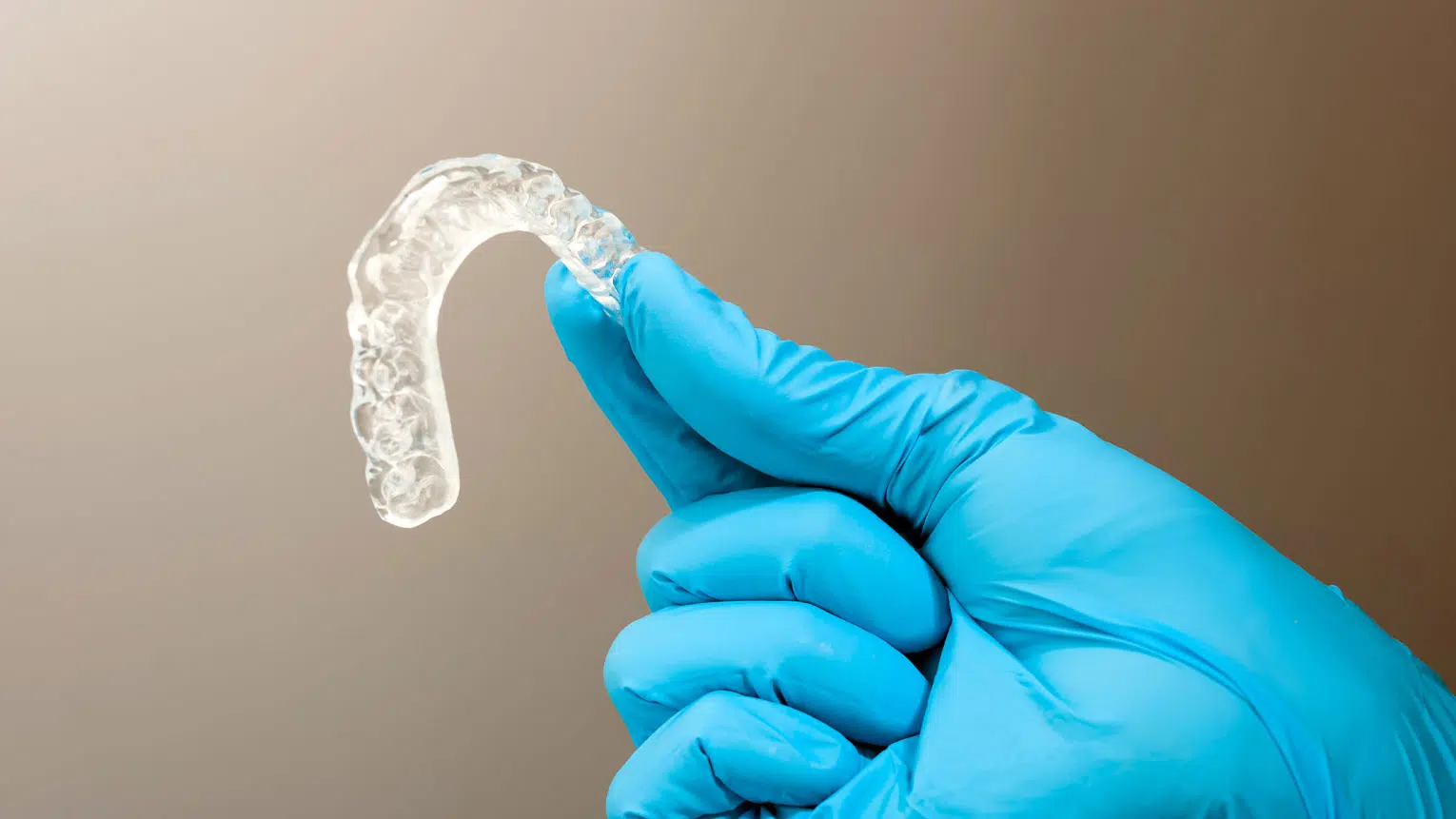
Custom-fitted night guards stand as a cornerstone of bruxism treatment. These guards, precisely molded to your teeth, provide superior protection and comfort compared to over-the-counter options. Over-the-counter and online products are typically cheaper than custom night guards, but they’re not made to fit your teeth perfectly, as the ASA explains.
Advanced 3D scanning technology creates night guards that fit perfectly. This precision not only protects your teeth but also helps reposition your jaw to alleviate muscle tension.
Stress Management: Addressing the Root Cause
Stress management techniques can significantly reduce grinding episodes, as stress is a primary trigger for bruxism. The National Institute of Dental and Craniofacial Research reports that cognitive behavioral therapy (CBT) can decrease bruxism frequency in some patients.
A combination of approaches proves effective:
- Progressive Muscle Relaxation (PMR): This technique involves tensing and relaxing different muscle groups, particularly effective for jaw relaxation.
- Mindfulness Meditation: Regular practice can lower overall stress levels.
- Biofeedback: This method uses sensors to monitor muscle activity, helping you learn to control jaw tension consciously.
Lifestyle Modifications: Small Changes, Big Impact
Simple lifestyle adjustments can profoundly affect bruxism:
- Limit Stimulants: Reduce caffeine intake, especially in the evening.
- Improve Sleep Hygiene: Establish a consistent sleep schedule and create a relaxing bedtime routine.
- Jaw Exercises: Perform gentle jaw stretches and exercises daily. These can improve muscle flexibility and reduce tension.
- Dietary Changes: Avoid hard or chewy foods that strain jaw muscles. Incorporate magnesium-rich foods (like spinach and almonds), as magnesium deficiency has been linked to increased muscle tension.
- Hydration: Maintain proper hydration. Dehydration can contribute to muscle tension and increase the likelihood of grinding.
These non-invasive treatments offer significant relief for many patients suffering from bruxism symptoms. However, the effectiveness of each method can vary from person to person. A tailored treatment plan, adjusted as needed, often yields the best results.
While these non-invasive options prove successful for many, some cases of severe bruxism may require more advanced treatments. Let’s explore these options in the next section.
Advanced Bruxism Treatments for Persistent Cases
Botox Injections: Relaxing Overactive Jaw Muscles
Botulinum toxin injections (Botox) offer an effective solution for severe bruxism. This treatment targets the masseter muscles responsible for jaw clenching and grinding. The effects typically last for about three months, after which the symptoms gradually return. Specialists trained in administering Botox for bruxism carefully assess each patient to determine the appropriate dosage and injection sites for optimal results.
Corrective Dental Procedures: Addressing Structural Issues
Misaligned teeth or jaw can contribute to chronic bruxism. In such cases, corrective dental procedures may address the underlying issue. These procedures can include:
- Orthodontic treatment to realign teeth
- Crown or bridge work to improve bite alignment
- Selective grinding of teeth to balance the bite
Some studies suggest that orthodontic treatment could improve signs and symptoms of temporomandibular disorders, but statistically significant results have not been obtained. Advanced 3D imaging technology allows for precise planning of these corrective procedures, ensuring the best possible outcomes for patients.
Prescription Medications: Treating Underlying Conditions
Bruxism may sometimes stem from underlying conditions such as sleep apnea or anxiety disorders. Treating these conditions can often alleviate bruxism symptoms.
For sleep-related bruxism, doctors may prescribe medications like clonazepam or gabapentin. These drugs can help reduce muscle activity during sleep. A study found that clonidine reduced sleep bruxism episodes by >30% compared with placebo and clonazepam.
For anxiety-related bruxism, anti-anxiety medications or antidepressants might help. However, it’s important to note that some antidepressants (particularly SSRIs) can exacerbate bruxism in some individuals. Close monitoring and adjustment of medication effects are essential throughout the treatment process.
Combination Therapy: Maximizing Treatment Effectiveness
These advanced treatments often work best when combined with non-invasive methods like night guards and stress management techniques. A comprehensive treatment plan tailored to each patient’s specific needs and symptoms yields the most effective results.
Regular follow-up appointments allow for progress monitoring and necessary adjustments to the treatment plan. Open communication about symptoms and any changes experienced throughout the treatment process is encouraged for optimal care.
Final Thoughts
Bruxism treatment requires a personalized approach. At Smile On Dental Salon & Sleep Apnea Center, our team conducts thorough evaluations to determine the root cause of your teeth grinding. We offer a range of solutions, from custom-fitted night guards to advanced procedures, tailored to your unique needs.
Long-term management of bruxism often involves ongoing care and adjustments. Regular follow-up appointments allow us to monitor your progress and modify your treatment plan as needed. We encourage you to communicate any changes in symptoms or concerns throughout your treatment journey.
Early intervention prevents long-term damage from bruxism. If you suspect you grind your teeth, seek help promptly. Our team utilizes advanced technology and personalized approaches to help you achieve optimal oral health (and overall well-being). Take the first step towards a healthier smile and a more relaxed jaw by scheduling a consultation with our experts today.
Meet the Author

Dr. Paul Poncza
Dr. Poncza provides sleep and cosmetic dentistry with a focus on better rest, improved health, and confident smiles.
Meet Dr. PonczaRelated Posts

Bruxism Treatment What Are Your Options?
Stop jaw clenching and tooth pain from bruxism with proven relief strategies and treatment options explained
Bruxism Treatment What Are Your Options?
Find the best dental guard for bruxism with our expert guide to materials, fit, and protection against teeth grinding damage.

Bruxism Treatment What Are Your Options?
Learn how to stop grinding teeth with proven tips and tools. Protect your smile, reduce pain, and improve sleep quality effectively today.
