
Botox for Forehead Lines: Questions to Ask Before Treatment
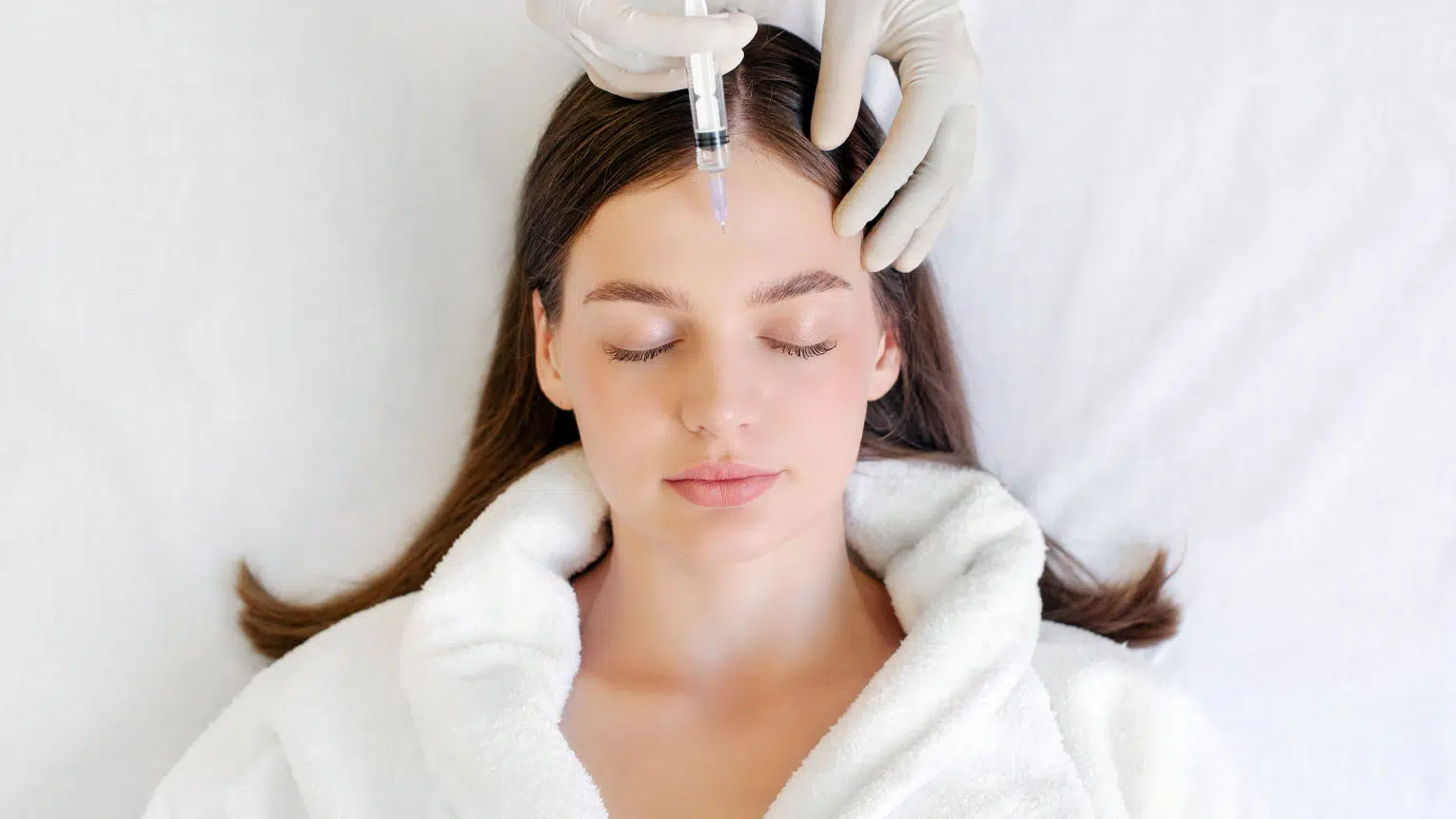




Botox Cosmetic may temporarily improve certain forehead lines in appropriate adults, but deciding on treatment starts with an assessment, not a standard number of injections. Ask what is contributing to your lines, which changes are realistic, and what risks and alternatives apply to you.
Which lines are you hoping to change?
Point out the area that bothers you both when your face is relaxed and when you raise your eyebrows. Your clinician should consider facial movement, brow and eyelid position, prior treatment, and your goals. A photograph of someone else’s result cannot establish the right plan for your anatomy.
The prescribing information for Botox Cosmetic includes temporary improvement of moderate-to-severe forehead lines associated with muscle activity in adults. This is not a promise that every crease disappears, that skin texture changes, or that treatment prevents future aging.
Ask how the whole upper face affects the plan
The forehead does not move in isolation. Ask why the proposed areas are being considered together and what effect the plan may have on brow position and expression. The clinician should explain the labeled treatment approach and any proposed use that falls outside it.
Cosmetic line treatment is also different from injections discussed for jaw pain. Botox is not FDA-approved for TMD, and evidence for that use is limited and mixed, as explained by NIDCR’s TMD guidance. A discussion about forehead lines should not be used to imply that cosmetic approval extends to every therapeutic use.
Share your medical history before deciding
Bring a current list of prescriptions, supplements, and prior botulinum-toxin treatments, including when and where you received them. Tell the clinician about allergies, muscle or nerve conditions, swallowing or breathing difficulties, pregnancy or breastfeeding, and any problem at the proposed injection site.
Do not stop a prescribed medicine to reduce bruising without the prescribing clinician’s advice. The assessment should establish whether to proceed, defer, or consider another option.
Understand risks as well as the intended effect
Possible effects include bruising, discomfort, headache, or unwanted changes such as eyelid or brow drooping. The product carries a boxed warning about spread of toxin effects; new swallowing, speaking, or breathing difficulties after treatment need urgent medical attention. Ask for the medication information and a clear contact plan rather than treating a short appointment as risk-free.
Leave with a clear decision, not pressure
- What change is reasonably expected, and what may remain?
- What product is proposed, and who will administer it?
- What are the alternatives, including choosing no treatment?
- What are the charges, aftercare instructions, and follow-up arrangements?
Smile On’s Botox service information provides a starting point. Confirm the provider and availability at your preferred office, and use a consultation to decide whether the proposed cosmetic treatment fits your goals and health history.
Sources
Meet the Author

Dr. Nicole Kujawa
Dr. Kujawa provides cosmetic and general dentistry with a gentle touch and a passion for helping patients feel confident in their smiles.
Meet Dr. KujawaRelated Posts
What Is a Smile Makeover and Is It Right For You?
Learn what a smile makeover may involve and how to discuss your goals, oral health, treatment choices, and costs.

What is Cosmetic Dentistry and What Does it Include?
Understand cosmetic dentistry options and how your goals and oral health shape the treatment discussion.

Exploring Different Types of Cosmetic Dentistry
Compare cosmetic dentistry options, including whitening, veneers, and bonding, and questions to discuss before choosing treatment.
