
7 Signs of Sleep Apnea You Shouldn’t Ignore





Sleep apnea is a serious condition that affects millions of people worldwide, yet many remain unaware they have it. At Smile On Dental Salon & Sleep Apnea Center, we often see patients who’ve been struggling with undiagnosed sleep apnea for years.
Recognizing the signs of sleep apnea is crucial for early intervention and better health outcomes. In this post, we’ll explore seven key indicators that shouldn’t be ignored, helping you take the first step towards better sleep and overall well-being.
1. Loud and Persistent Snoring: The Telltale Sign
Loud snoring stands out as the primary indicator of sleep apnea. Nearly 70% of Americans who sleep with a partner report that their bed partner snores. This type of snoring is typically loud, disruptive, and occurs almost every night. It features pauses in breathing, followed by gasping or choking sounds as the person struggles to breathe again.
Sleep apnea-related snoring differs from occasional snoring. It’s usually louder and more consistent, often including periods of silence followed by loud snorts or gasps. If you or your partner notice these patterns, it’s time to seek professional help. An evaluation often involves overnight monitoring of your breathing and other body functions during sleep testing at a sleep center. Home sleep tests are also available. (Note: Not all snorers have sleep apnea, but nearly all sleep apnea sufferers snore.)
The next sign to watch for is daytime fatigue and sleepiness, which often accompanies loud snoring in sleep apnea cases.
2. Constant Exhaustion Despite Full Nights of Sleep
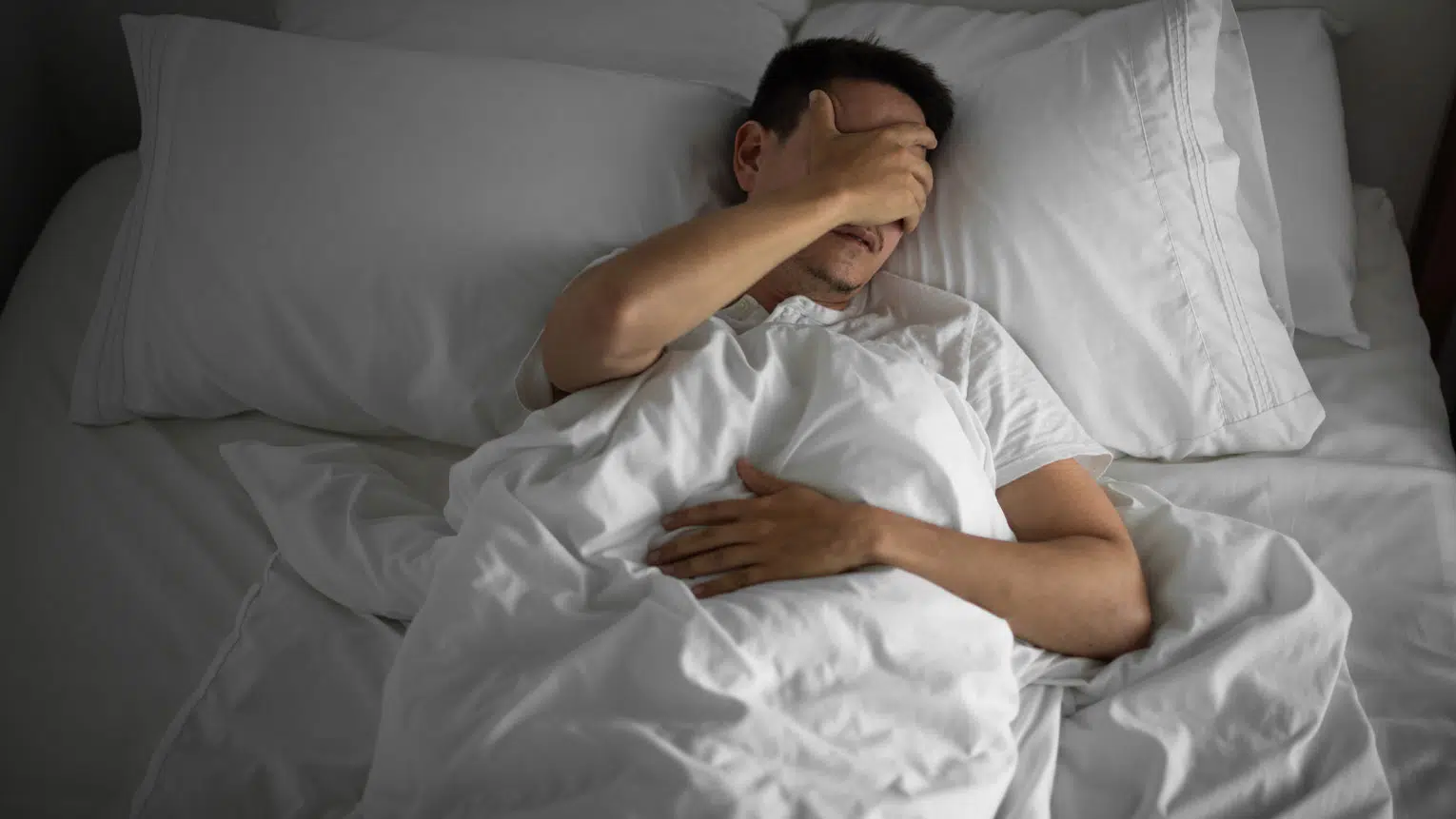
Feeling tired after a full night’s sleep isn’t normal; if you constantly feel exhausted despite spending 7-9 hours in bed, sleep apnea might be the culprit. This condition disrupts your sleep cycle and prevents you from reaching the restorative deep sleep stages. Many patients with obstructive sleep apnea (OSA) experience excessive daytime sleepiness (EDS), which can negatively affect daily functioning, cognition, and mood. You might find yourself:
- Nodding off during meetings
- Struggling to stay awake while driving
- Relying heavily on caffeine to get through the day
Sleep apnea causes frequent, brief awakenings throughout the night as your body struggles for air. This disruption leads to fragmented, nonrestorative sleep. As a result, you wake up feeling unrefreshed and groggy, regardless of how long you’ve slept. This persistent fatigue can significantly impact your daily life and overall well-being.
If you experience persistent daytime fatigue, it’s important to consult a sleep specialist. A comprehensive sleep evaluation can identify the root cause of your exhaustion and provide effective treatment options. The next sign to watch for is morning headaches and dry mouth, which often accompany sleep apnea-related fatigue.
3. Wake Up Calls: Headaches and Dry Mouth
Morning headaches and dry mouth often indicate more than just a rough night’s sleep-they can signal sleep apnea. Sleep apnea-related headaches typically manifest as a dull ache across the forehead, resulting from oxygen deprivation and increased carbon dioxide levels in the blood during sleep. A study found that 33% of patients with OSA may have headaches. Dry mouth upon waking is another red flag for sleep apnea, as breathing difficulties often lead to mouth breathing, causing dehydration and discomfort.
Consistent morning headaches or a parched mouth that improves as the day progresses warrant a consultation with a sleep specialist. These symptoms can have serious implications for both sleep quality and oral health. Sleep apnea-related dry mouth increases the risk of dental issues such as:
- Cavities
- Gum disease
- Bad breath
A comprehensive evaluation by a qualified professional can identify sleep apnea and provide tailored treatment options. Addressing these symptoms not only improves sleep quality but also protects overall health and well-being. As we explore further signs of sleep apnea, let’s consider how this condition affects mood and emotional well-being.
4. Mood Swings and Irritability: The Emotional Toll of Sleep Apnea
Sleep apnea affects more than physical health; it significantly impacts emotional well-being. Chronic sleep deprivation from sleep apnea often leads to mood swings, increased irritability, and even depression. While some studies have shown a link between obstructive sleep apnea (OSA) and depression, empirical findings on this prospective link are mixed. This emotional instability can strain relationships, impact work performance, and decrease overall quality of life.
Identifying these mood changes as potential symptoms of sleep apnea is important for early intervention. If you experience easy agitation, sudden mood swings, or persistent feelings of sadness without apparent reason, sleep apnea might be the underlying cause. Many patients report improvements in mood after receiving proper sleep apnea treatment. The emotional impact of sleep apnea should not be underestimated, as it can silently erode your quality of life.
While mood changes signal potential sleep apnea, physical symptoms during sleep provide even stronger evidence. The next sign to watch for involves breathing difficulties that occur while you’re asleep, often unnoticed by you but observed by others.
5. Nighttime Breathing Struggles: A Red Flag for Sleep Apnea
Sleep apnea often reveals itself through alarming nighttime breathing patterns. Gasping, choking, or snorting sounds during sleep signal this condition. These episodes occur when the airway becomes blocked, causing a temporary pause in breathing. The brain registers the lack of oxygen and triggers a brief awakening to restore normal breathing, often accompanied by a loud gasp or choking sound. While the person experiencing these episodes may not remember them, they can disturb sleep partners.
The frequency and severity of these breathing interruptions vary. Obstructive sleep apnea is characterized by repeated episodes of complete (apnea) or partial (hypopnea) collapse of the upper airway. A sleep partner’s observations provide invaluable information to healthcare providers. If you or your partner notice frequent gasping or choking during sleep, seek professional evaluation promptly. These nighttime breathing struggles not only disrupt sleep but also indicate potential health risks associated with untreated sleep apnea.
As we explore the impact of sleep apnea beyond nighttime symptoms, it’s important to consider how this condition affects your cardiovascular health. Severe sleep apnea increases the risk for coronary artery disease, congestive heart failure, and stroke. The next section will discuss the relationship between sleep apnea and high blood pressure, revealing why addressing these breathing issues is vital for your heart’s well-being.
6. Sleep Apnea’s Silent Assault on Heart Health
Sleep apnea doesn’t just disrupt rest; it wages a silent war on the cardiovascular system. The American Heart Association reports that sleep apnea prevalence is as high as 40% to 80% in patients with hypertension, heart failure, coronary artery disease, pulmonary hypertension, atrial fibrillation, and other cardiovascular conditions. During apnea episodes, oxygen levels in the blood drop, forcing the heart to work harder. This repeated strain can lead to chronic hypertension, with a study in the Journal of Clinical Sleep Medicine finding that the prevalence of moderate-to-severe sleep apnea was almost twice as high in the hypertensive group compared to the normotensive group.
Untreated sleep apnea increases the risk of developing hypertension and makes existing high blood pressure harder to control. Researchers have found that people with obstructive sleep apnea have an increased cardiovascular risk due to reduced blood oxygen levels. The disorder also links to other serious heart conditions, including:
- Irregular heartbeats
- Heart failure
- Coronary artery disease
People with or at risk for heart disease should discuss potential sleep apnea symptoms with their healthcare provider. Early detection and treatment of sleep apnea can significantly reduce these cardiovascular risks and improve overall heart health. As we explore further impacts of sleep apnea, let’s examine how this condition affects cognitive function and mental clarity.
7. Mental Fog and Memory Issues: Sleep Apnea’s Cognitive Impact
Sleep apnea affects more than just your rest; it can impair your thinking and memory. Nearly 60% of patients with obstructive sleep apnea suffer from a variety of impaired cognitive functions, including attention, working memory, and episodic memory. These cognitive issues often appear as difficulty focusing at work, forgetting important dates, and struggling with complex tasks. Many patients describe a feeling of operating in a mental fog, where even simple decisions become unexpectedly challenging.
Treatment of sleep apnea can significantly improve cognitive function. Research published in the New England Journal of Medicine demonstrated that CPAP treatment of obstructive sleep apnea resulted in a significant reduction in blood pressure. If you experience persistent mental fog or memory issues, don’t dismiss them as normal aging or stress. These symptoms could indicate sleep apnea affecting your brain health, particularly in older adults. Addressing them promptly can help restore your mental clarity and cognitive abilities. (Note: The impact of sleep apnea on cognitive function extends beyond just memory and concentration.)
The connection between sleep apnea and cognitive issues highlights the importance of comprehensive sleep health. As we explore further, we’ll examine how these symptoms, combined with others, can guide you towards seeking professional help and finding effective solutions for better sleep and overall health.
Final Thoughts
Sleep apnea affects millions, yet many remain unaware of its presence. The seven signs of sleep apnea we explored shouldn’t be ignored. Recognizing these indicators is the first step towards better health and improved quality of life.
Professional diagnosis and treatment are essential for managing sleep apnea effectively. Untreated sleep apnea can lead to severe health complications, impacting not only your sleep but your overall well-being. (Addressing this condition is about investing in your long-term health.)
Smile On Dental Salon & Sleep Apnea Center specializes in diagnosing and treating sleep apnea. Our team of experts utilizes advanced technology to provide personalized care. We offer effective solutions such as oral appliance therapy, which can significantly improve sleep quality and alleviate symptoms.
Meet the Author

Dr. Paul Poncza
Dr. Poncza provides sleep and cosmetic dentistry with a focus on better rest, improved health, and confident smiles.
Meet Dr. PonczaRelated Posts

7 Signs of Sleep Apnea You Shouldn’t Ignore
Learn about sleep apnea symptoms, health risks, and effective treatment options including oral appliance therapy at our dental center.
7 Signs of Sleep Apnea You Shouldn’t Ignore
Explore CPAP alternatives for sleep apnea relief. Learn effective treatments to improve your sleep quality and overall health.
7 Signs of Sleep Apnea You Shouldn’t Ignore
Explore oral appliance therapy for sleep apnea as a comfortable alternative to CPAP, offering easier breathing and restful nights.
